A machine spec sheet can look impressive and still tell you very little about whether a supplier will hit your launch date, hold tolerances, or keep production stable six months from now. That is the real issue when buyers start comparing plastic injection moulding machine manufacturers. You are not just evaluating equipment. You are evaluating whether the manufacturer behind that equipment can turn design intent into repeatable output.
For OEMs, product developers, and procurement teams, the wrong choice usually does not fail all at once. It shows up as tool changes that take too long, parts that drift out of tolerance over time, inconsistent cycle performance, avoidable scrap, and handoffs between vendors that create delays. The better question is not who owns the biggest machine fleet. It is the person who has the technical control to move from concept to stable production without losing time or quality along the way.
What plastic injection moulding machine manufacturers really deliver
In practice, machine manufacturers and moulding partners are often judged by tonnage, press count, and hourly rate. Those factors matter, but they are only part of the picture. A capable manufacturing partner combines machine capacity with tooling expertise, process engineering, material knowledge, quality assurance, and the ability to solve problems without pushing them back to the customer.
That distinction matters most in custom production. A standard commodity part can tolerate a transactional supplier relationship. A custom-moulded part usually cannot. If the design needs refinement, if the tool needs correction, or if the material behaviour changes under production conditions, the supplier has to respond fast and in-house. Otherwise, every issue turns into a lead time.
This is why experienced buyers look beyond the machine list. They want to know who designed the mould, who modifies it, who validates the part, and who owns the process when production ramps up. The strongest suppliers do not separate those responsibilities across too many external vendors.
How to evaluate plastic injection moulding machine manufacturers
The first filter is technical fit. A supplier may have modern equipment, but that does not automatically mean the machines match your part geometry, resin requirements, shot size, clamp force, or production volume. Press capacity has to align with the actual demands of the project. Oversized machines can drive unnecessary cost. Undersized ones create quality risk and process instability.
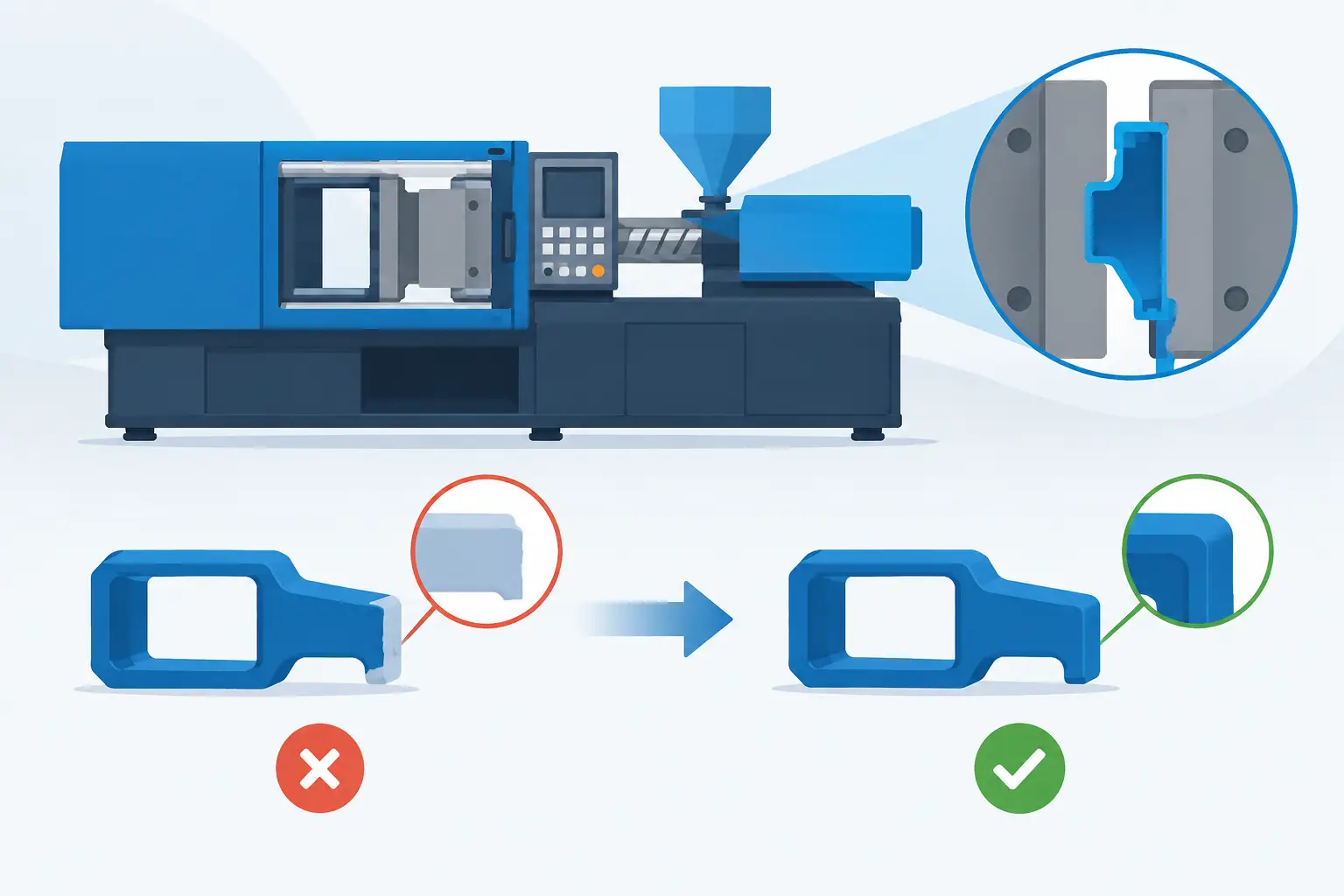
The second filter is tooling control. This is where many sourcing decisions go wrong. If a manufacturer relies heavily on outside toolmakers for mould design, repair, and modification, every engineering change becomes slower and harder to manage. In-house tooling capability shortens response time and gives the moulder more control over quality outcomes. That matters during sampling, correction cycles, and long-term production maintenance.
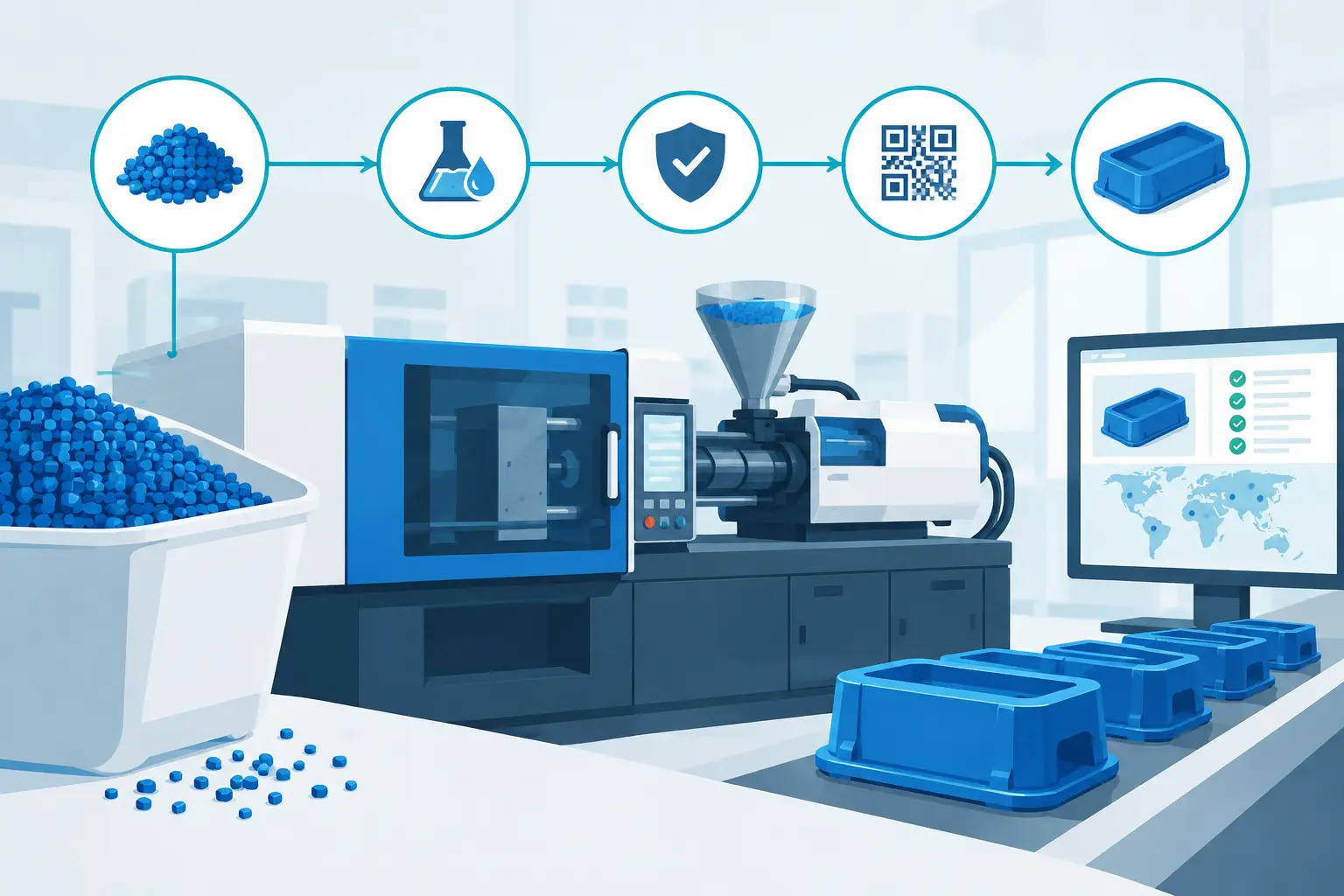
The third filter is process ownership. Ask what happens after the first samples are approved. Can the supplier maintain repeatability across production runs? Can they document process settings, monitor quality trends, and support secondary operations without creating bottlenecks? Stable production is not just about making a good first part. It is about making the same good part again and again.
The fourth filter is speed with accountability. Fast quoting is easy. Fast, controlled execution is harder. If a supplier promises aggressive lead times, they should also be able to explain how they keep design, tooling, moulding, finishing, and shipping aligned under one plan.
Why in-house capabilities matter more than press count
A large machine fleet can be valuable, especially for buyers managing varied part sizes or scaling demand across multiple programs. But press count alone is not a decision-making shortcut. Nineteen machines in a controlled operation can outperform a larger facility that depends on outside shops for critical tooling work or quality support.
What buyers need is an integrated capability. That means mould design, mould fabrication, mould modification, moulding, finishing, packing, and shipment work as one production system. When those functions are split across separate companies, delays multiply. A tolerance issue becomes a scheduling issue. A cosmetic defect becomes a transport issue. A tool revision becomes a purchasing issue.
Integrated operations reduce those handoff risks. They also improve communication. Engineers can speak directly with tooling teams. Production teams can react quickly to maintenance needs. Quality personnel can trace issues back to process conditions and tool behaviour without waiting for external feedback loops.
For complex or deadline-driven projects, this structure is often the difference between controlled ramp-up and repeated schedule slips.
The trade-offs buyers should weigh
There is no single best supplier profile for every project. It depends on your product, your volumes, your tolerance requirements, and how much engineering support you need.
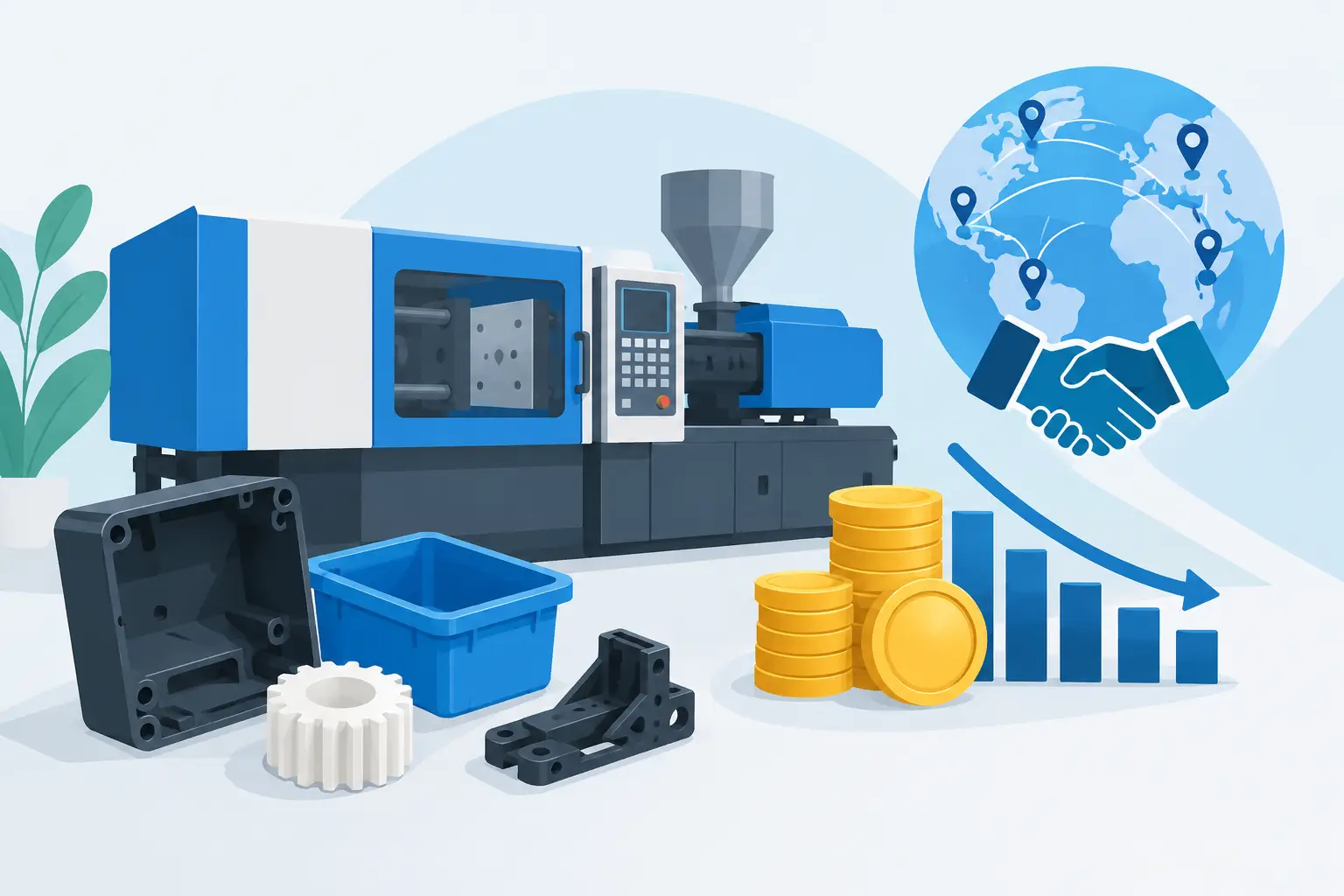
If your part is simple, annual volumes are high, and the tool is already validated, a lower-cost production source may be enough. But if you are launching a new product, replacing an obsolete part, refining a problematic design, or planning multiple iterations before approval, the cheapest moulding rate can become the most expensive path.
That is because engineering changes cost time, and time affects everything from inventory planning to market launch. A supplier with in-house design and tool modification capability may have a higher quoted rate than a basic moulding shop, but they can often reduce total project cost by solving issues faster and preventing repeat errors.
Geography has similar trade-offs. Offshore production may offer piece-price advantages, but buyers also need to consider communication speed, transport timing, revision control, and response time when something changes. For some programs, that trade is acceptable. For others, especially where deadlines are tight or specifications are evolving, closer technical coordination matters more than the lowest unit price.
Questions worth asking before you request a quote
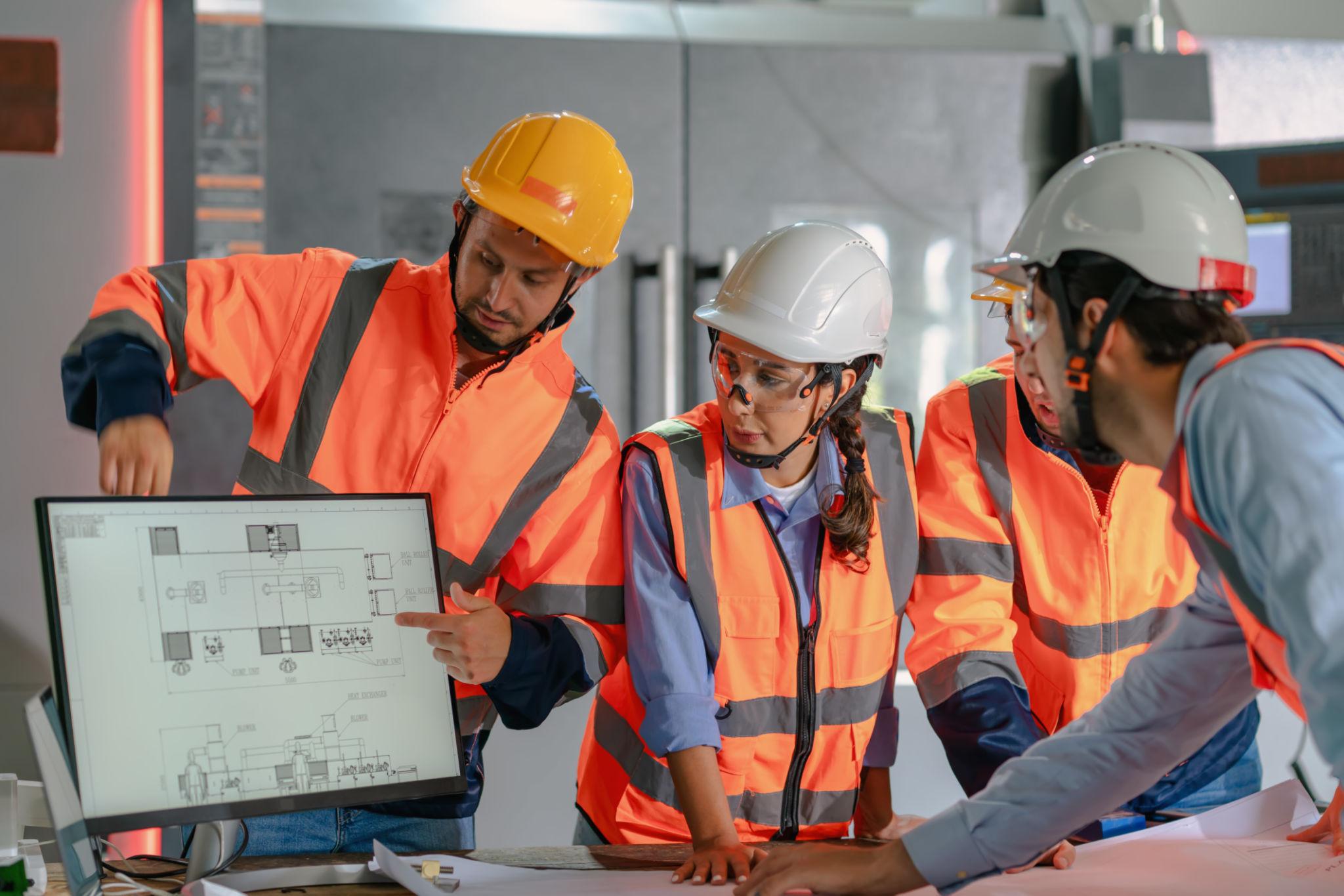
A quote should not be your first real conversation with a supplier. Before pricing becomes the focus, buyers should understand how the manufacturer works.
Ask who handles mould design and whether modifications are done in-house. Ask how they validate first articles and what quality checks remain in place during repeat production. Ask what machine range they operate and whether they routinely produce parts similar in size, complexity, and material type to yours. Ask how secondary processing is managed, especially if your project needs assembly, finishing, printing, or special packaging.
It is also worth asking how the supplier handles schedule pressure. Do they have enough internal capacity to absorb urgent work? Can they move from design refinement to tooling to production without waiting on outside partners? Speed claims are only meaningful if the operation is structured to support them.
The best answers are specific. Buyers should listen for operational detail, not generic reassurance.
What strong manufacturing partners have in common
The most dependable suppliers tend to share a few characteristics. They understand that moulded parts are rarely just moulded parts. They are functional components that have to fit assemblies, meet end-use conditions, and perform consistently over time. That mindset changes how they approach tooling, process setup, and quality control.
They also invest in controllable systems rather than fragmented outsourcing. In-house design, mould maintenance, machine capacity, and inspection discipline are not just internal preferences. They are practical tools for reducing risk.
Another common trait is cross-industry experience. A supplier serving automotive, electronics, construction, furniture, utilities, or automation applications has usually seen a wider range of tolerance demands, cosmetic standards, and production constraints. That experience helps when a project falls outside a simple moulding brief and needs engineering judgment.
A company like Glasfil reflects this model well because the value is not limited to moulding alone. The real advantage is the combination of tooling control, production capacity, secondary processing, and the ability to move from concept to finished product through one accountable operation.
Choosing for long-term performance, not just first-run success
The early sample stage gets a lot of attention, but long-term consistency is where supplier quality is really proven. A manufacturer may produce acceptable samples under controlled trial conditions and still struggle with sustained repeatability. That is why maintenance, process documentation, and internal quality systems matter so much.
Buyers should think in terms of lifecycle support. Can the supplier maintain the mould, react to wear, adjust for material variation, and keep output stable across repeat orders? Can they support part changes without restarting the entire process from scratch? These are not secondary concerns. They shape your actual cost of ownership.
When you evaluate plastic injection moulding machine manufacturers, the right choice is usually the one with the most control over variables that affect lead time, quality, and responsiveness. Machines matter. The system around them matters more.
The best manufacturing relationships start when a supplier understands that your deadline, your tolerances, and your production risk are all part of the same job.
Ready to move from design to dependable production? Work with a partner that combines tooling control, process engineering, and manufacturing under one roof.
Contact us today to request a quote or schedule a discussion with our technical team.