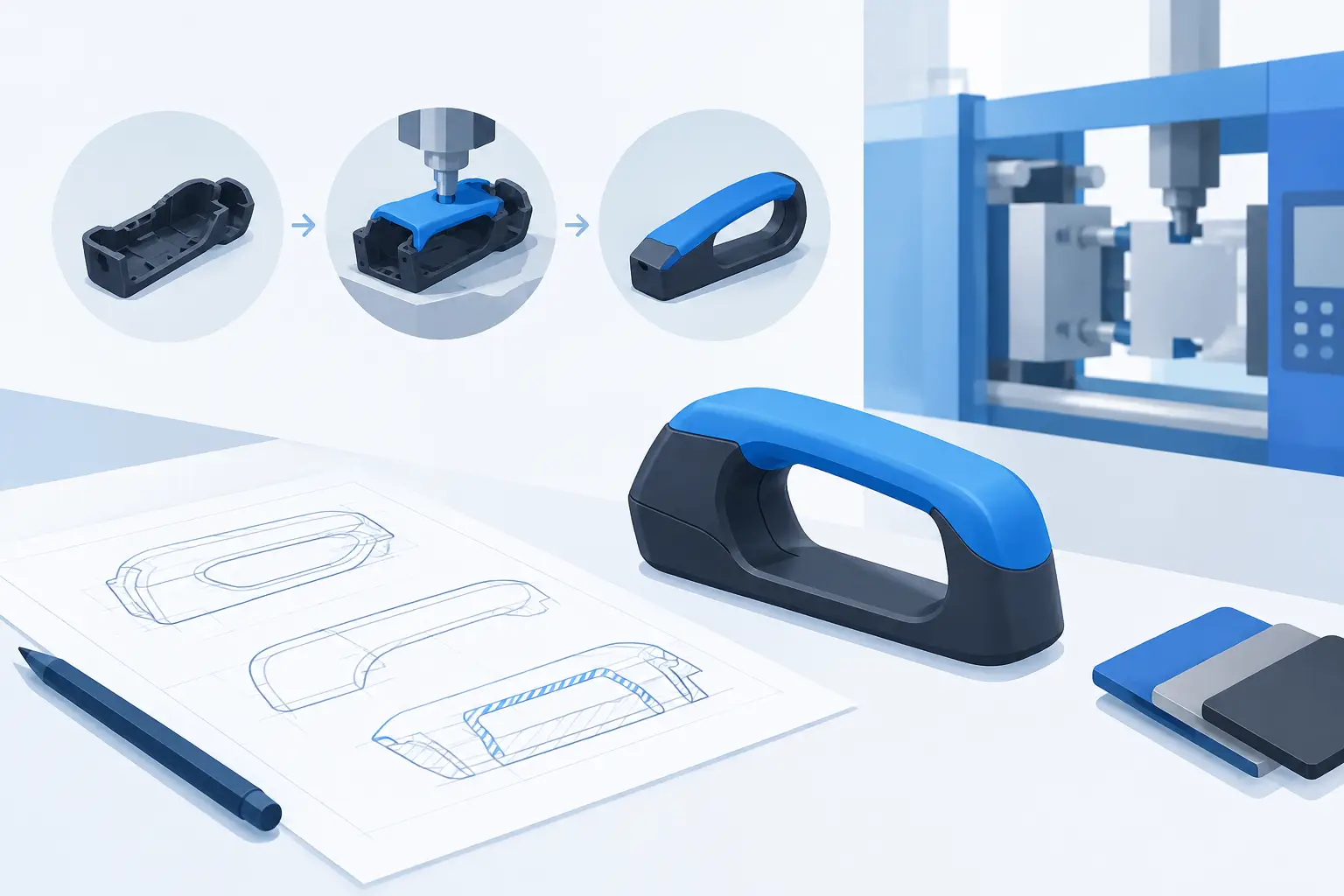
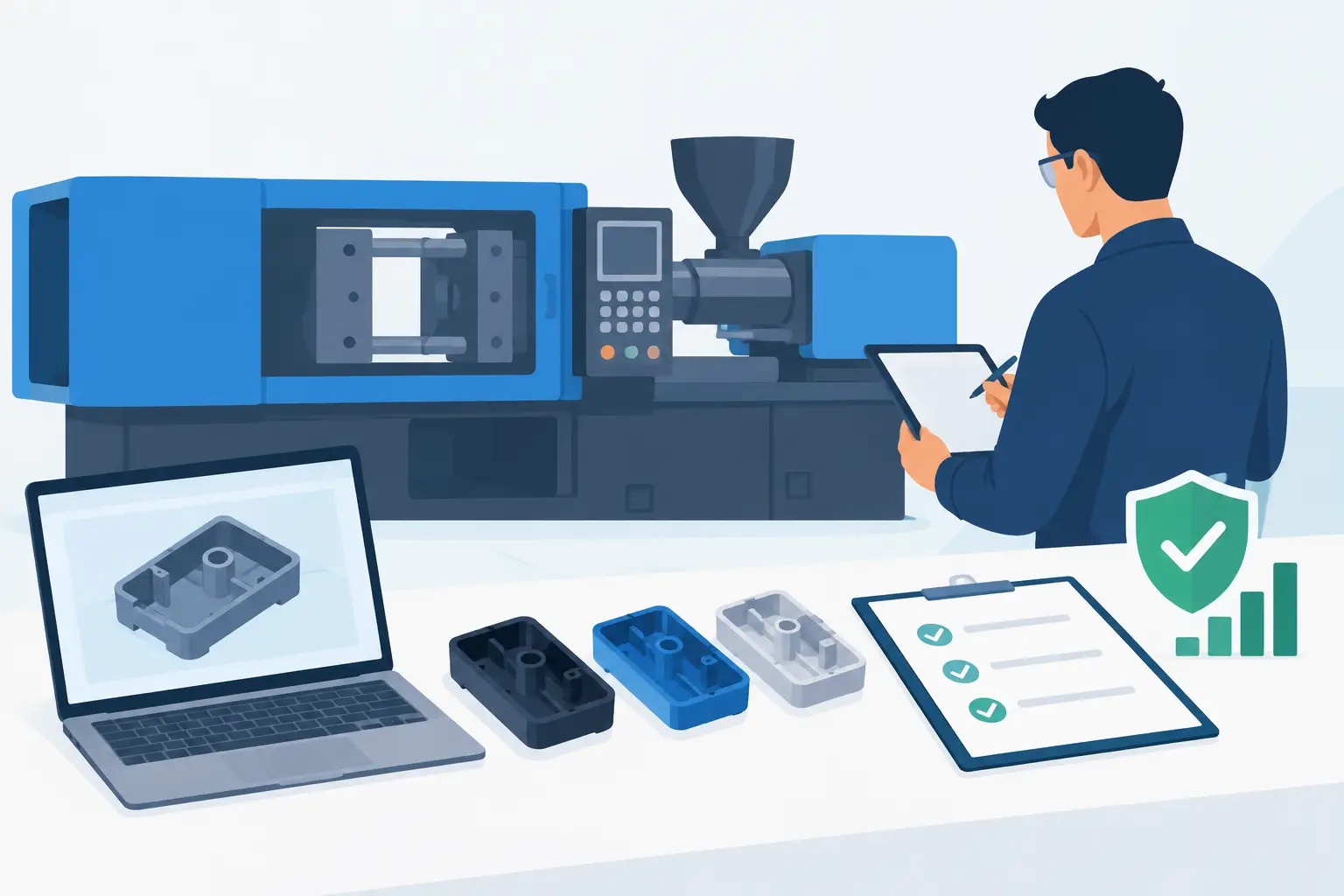
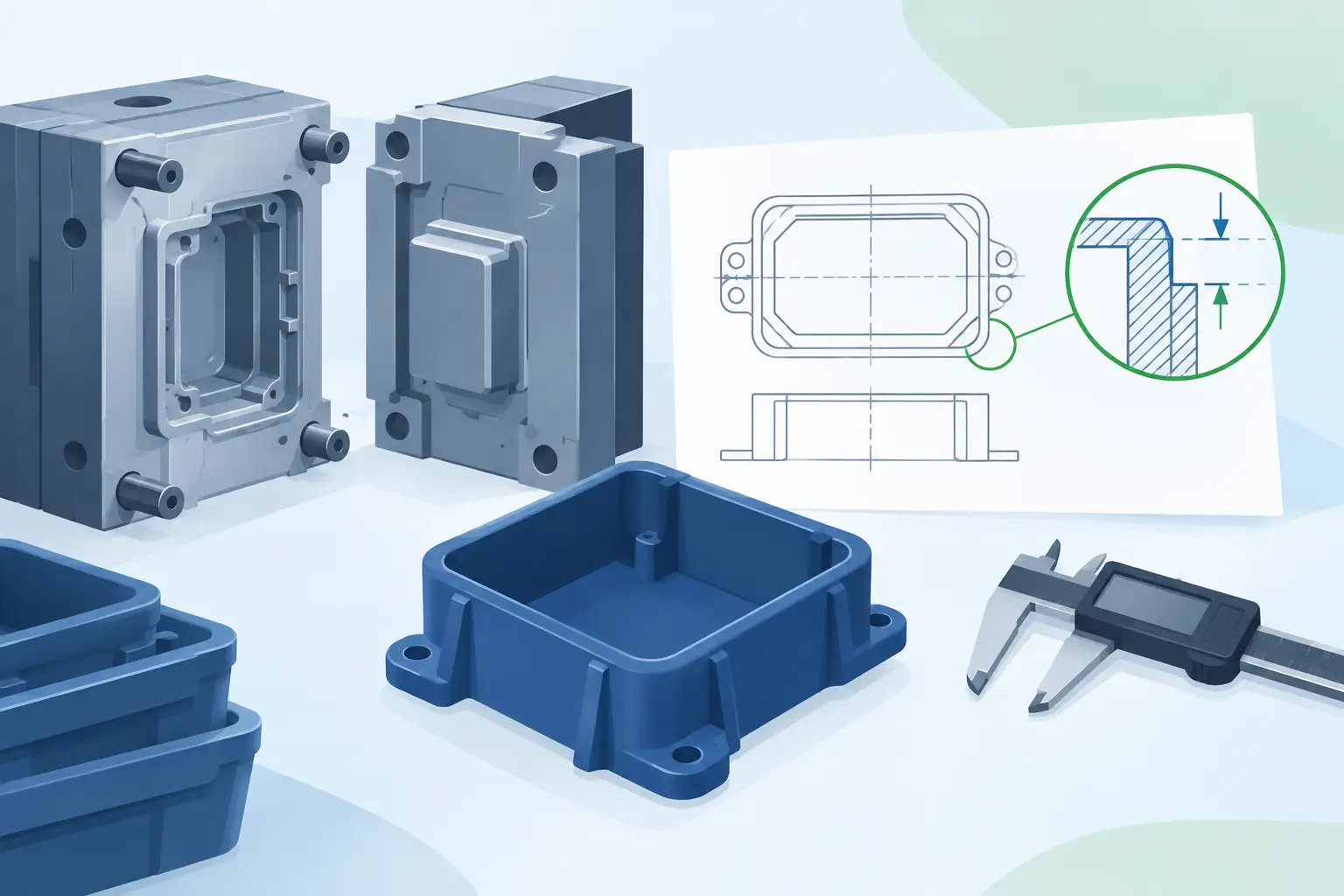
 A tooling decision can add months to a launch or remove them. It can reduce part variation – or create it. When buyers compare in house tooling vs outsourcing, they are not just comparing suppliers. They are deciding how much control, speed, and manufacturing visibility they want built into the program from day one.
For injection molded parts, tooling is not a side process. It is the foundation of part quality, cycle stability, maintenance response, and production consistency. If the mold is designed well, built correctly, and supported by the same team that runs production, problems are found faster and corrected with less friction. If tooling is separated from molding, the handoff can work well – but only when communication, accountability, and timing are tightly managed.
Why in house tooling vs outsourcing matters more than buyers expect
Many sourcing decisions start with unit price or tool price. That is understandable, but it is incomplete. A lower upfront tooling quote can become more expensive if revisions take too long, maintenance is delayed, or the mold needs repeated adjustments after transfer to production.
Tooling affects more than mold ownership. It touches DFM decisions, gate location, cooling layout, steel selection, venting, shrink control, surface finish, part ejection, and expected mold life. Those choices shape how the part performs in production and how quickly a manufacturer can react when changes are needed.
That is why the real question is not simply whether in-house is better than outsourced. The better question is this: which model gives your project the right balance of technical control, speed, and cost for the product’s risk level?
In-house tooling: where it creates the most value
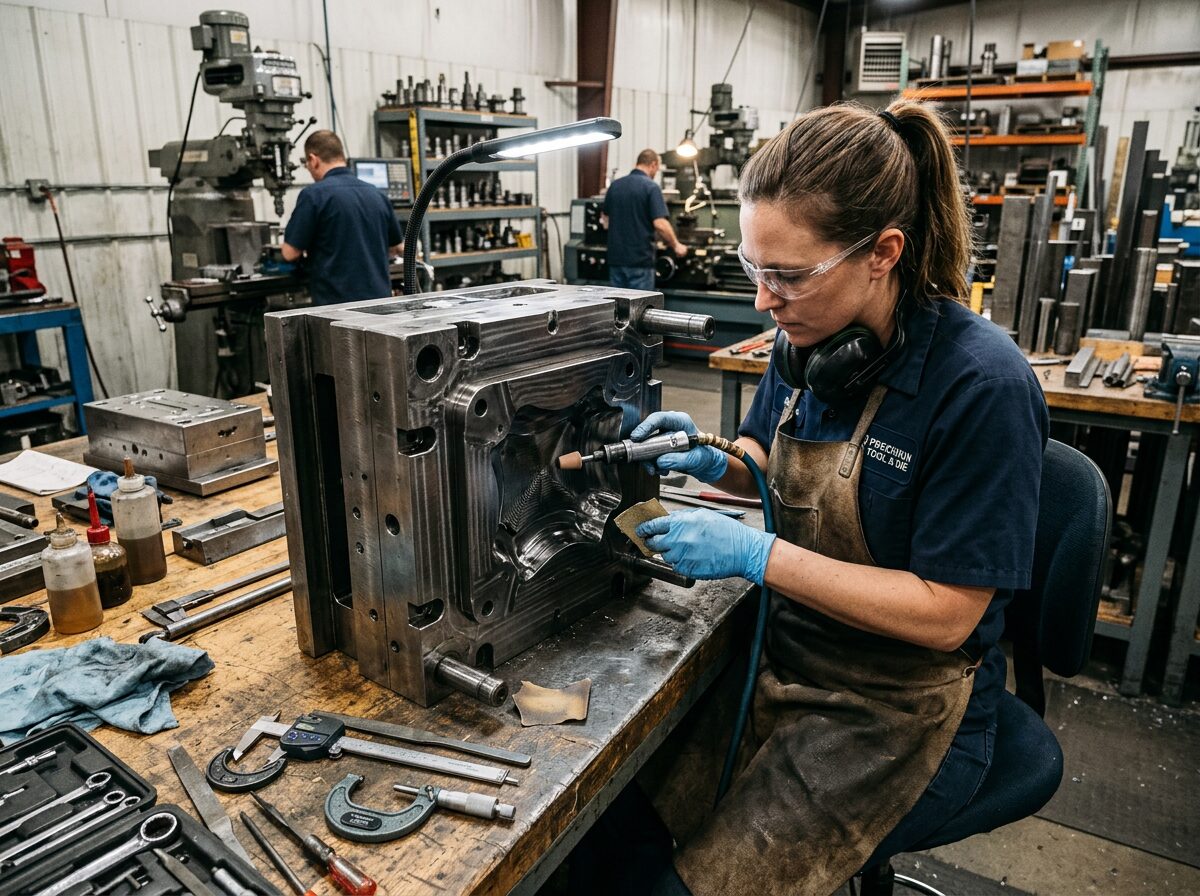 In-house tooling is strongest when the product has tight tolerances, frequent engineering changes, complex geometry, or an aggressive launch schedule. In those cases, distance between design, toolmaking, and molding becomes a real operational cost.
When the tooling team and molding team work under one roof, communication is direct. Toolmakers can see how a mold behaves on the press. Process technicians can flag filling issues, wear patterns, or ejection concerns early. Engineering changes move faster because the same operation controls design files, mold modification, testing, and production feedback.
This model also improves accountability. There is less room for disagreement about whether a defect is caused by tool design, process setup, material behavior, or maintenance. The teams are working from the same production data and the same customer requirements.
For OEMs and industrial buyers, that matters during the most expensive moments of a program – pre-production sampling, first article approval, PPAP preparation, and ramp-up. If corrections are needed, in-house tooling can often shorten the loop between identifying a problem and implementing the fix.
Another major advantage is mold maintenance. Molds are production assets, not one-time purchases. They require scheduled care, repair, cleaning, and periodic modification. If maintenance capability is built into the manufacturer’s operation, downtime is easier to control and tool life is easier to protect.
Outsourcing tooling: when it can make sense
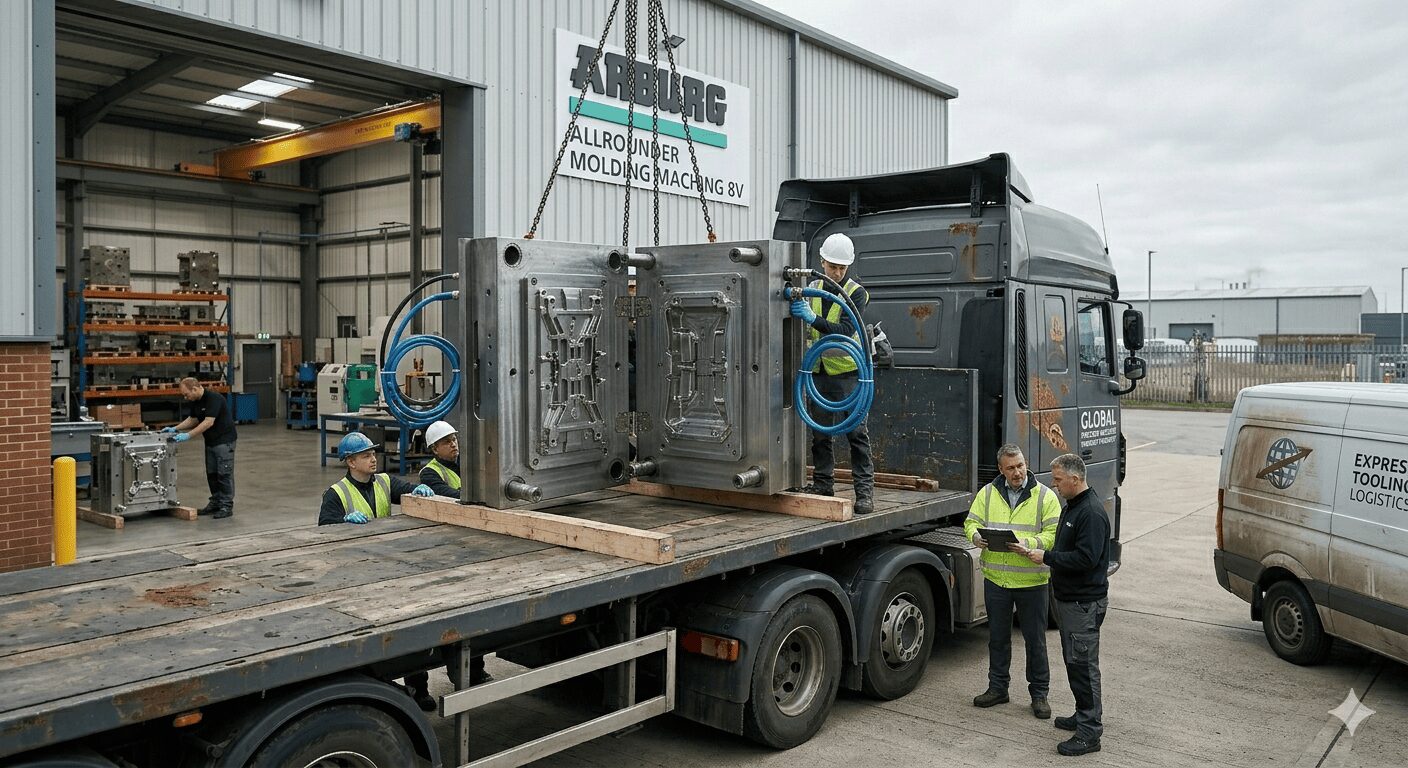 Outsourcing is not automatically the weaker option. In some cases, it is the right one.
If the part is relatively straightforward, annual volume is modest, and the tool design is stable, outsourcing may offer an acceptable cost advantage. Some buyers also use external tool shops when they need specialized mold-making capacity that a production molder does not have internally, or when they want to split tooling and production across separate vendors for commercial reasons.
There are also situations where outsourcing supports capacity planning. A manufacturer may run molding in-house but place tool fabrication externally to handle workload peaks. If the vendor relationship is mature and the technical documentation is strong, this can work without adding serious risk.
The challenge is not outsourcing itself. The challenge is fragmented ownership. Once tooling, modifications, validation, and production are handled by different parties, response times often slow down. Every issue needs translation, scheduling, and approval across companies with different priorities.
For simple programs, that may be manageable. For parts with cosmetic requirements, assembly-critical dimensions, or frequent revision cycles, the delays can become expensive quickly.
The real trade-offs in in house tooling vs outsourcing
The most common mistake in this decision is treating it as a price comparison instead of a program-risk decision.
In-house tooling often carries a higher apparent cost at the quoting stage, but it can reduce total cost through shorter development cycles, faster mold changes, better process alignment, and fewer quality disruptions. Outsourced tooling may reduce upfront spend, but cost can return later through shipping delays, rework, duplicate troubleshooting, or slower engineering response.
Control is another major trade-off. With in-house tooling, you typically gain tighter oversight over design intent, build standards, mold trials, and maintenance history. With outsourcing, visibility depends heavily on supplier discipline. Some external toolmakers are excellent. Others provide limited production feedback, inconsistent documentation, or slow revision support once the mold leaves their facility.
Lead time follows the same pattern. External fabrication can be competitive on quoted delivery, but actual launch timing depends on how smoothly the transfer to molding goes. A mold that arrives on time but needs several rounds of adjustment is not really on time.
Quality is also affected by proximity. When tooling and molding teams share responsibility, they can optimize around actual press performance rather than theoretical design assumptions. Cooling imbalance, flash risk, sink, warpage, and short shots are easier to correct when the toolroom is integrated with the production floor.
Questions buyers should ask before deciding
A good tooling strategy starts with the part, not the purchasing model.
If your component is safety-related, dimensionally critical, customer-facing, or tied to a larger assembly, the value of in-house tooling usually increases. The same is true if the product is new to market, likely to evolve after prototyping, or scheduled for a fast commercial launch.
Buyers should ask how often changes are expected, how expensive downtime would be, and how much technical support the supplier can provide after the mold is built. They should also ask who owns mold maintenance, how modifications are documented, how trials are run, and how quickly corrective actions can be completed.
Another practical question is whether the toolmaker understands production reality. A mold can look correct in a design review and still perform poorly in sustained manufacturing. Tooling decisions need to reflect cycle time targets, resin behavior, operator handling, secondary operations, and long-term wear.
This is where an integrated manufacturer has an advantage. The tooling team is not designing in isolation. It is designing for the molding press, the part specification, and the production plan.
When an integrated model is the safer choice
For many industrial programs, the safest path is not simply owning a mold. It is placing tooling, molding, modification, maintenance, and quality control inside one accountable system.
That approach is especially useful when timelines are compressed or when procurement teams need fewer handoffs to manage. A single manufacturing partner can align DFM, mold build, sampling, production, finishing, packing, and shipment without pushing responsibility between vendors.
Glasfil’s model reflects that logic. With tooling design, mold fabrication, modification capability, molding capacity, and quality assurance handled in-house, the process stays connected from concept through repeat production. For buyers under launch pressure, that kind of operational continuity can remove avoidable delay.
Choosing based on total program performance
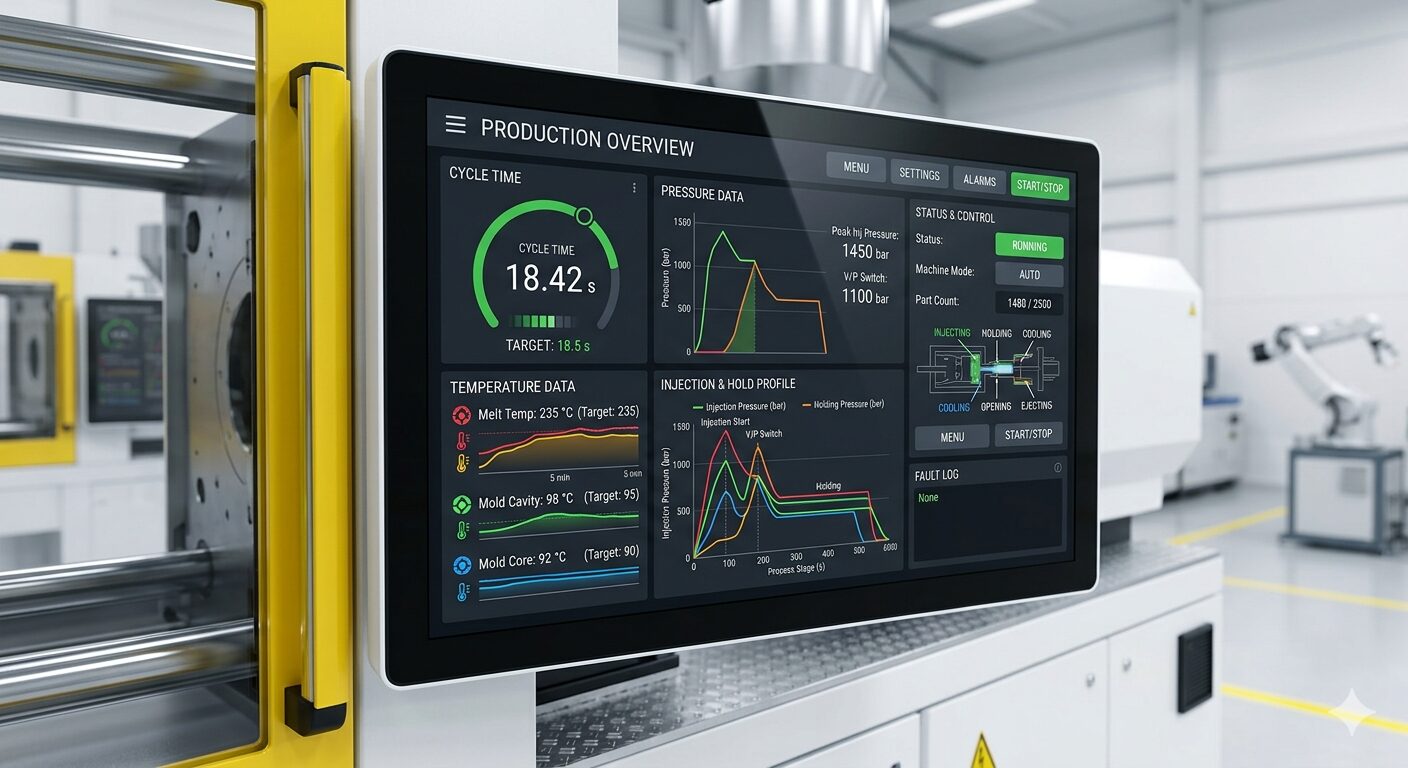 The best answer to in house tooling vs outsourcing depends on part complexity, launch urgency, expected revisions, and the cost of being wrong.
If the program is simple, stable, and price-sensitive, outsourcing may be a workable choice. If the program involves engineering uncertainty, demanding quality targets, or a need for fast response, in-house tooling usually delivers stronger long-term value.
The smartest buyers look beyond the initial tool quote. They look at how quickly the supplier can modify steel, how closely tooling is tied to production, how maintenance is managed, and how confidently the manufacturer can move from sampling to full output.
That is where tooling stops being a purchased item and becomes a production advantage. If your next mold matters to launch timing, part consistency, and supply reliability, choose the model that gives you fewer gaps between decision, correction, and delivery.
Not sure which tooling approach fits your program best?
Let’s break it down together. Contact us to share your part requirements, and our engineers will recommend a tooling strategy that supports faster launch, better quality, and long-term cost control.