 A plastic part can look simple on a screen and become expensive, slow, or unreliable the moment production starts. That is usually where buyers ask the real question: what is plastic injection molding service, and what exactly should a capable supplier handle beyond just molding parts?
Plastic injection molding service is the end-to-end process of turning a part design into repeatable, production-grade plastic components using a custom mold and injection molding machines. In a serious manufacturing environment, that service often goes well beyond pressing resin into a tool. It can include design review, mold engineering, tool fabrication, sampling, process setup, quality control, secondary operations, packing, and shipment. For OEMs, engineers, and procurement teams, that difference matters because the real cost is not only in the molded part. It is in how well the supplier controls the entire path to production.
What is plastic injection molding service in practical terms?
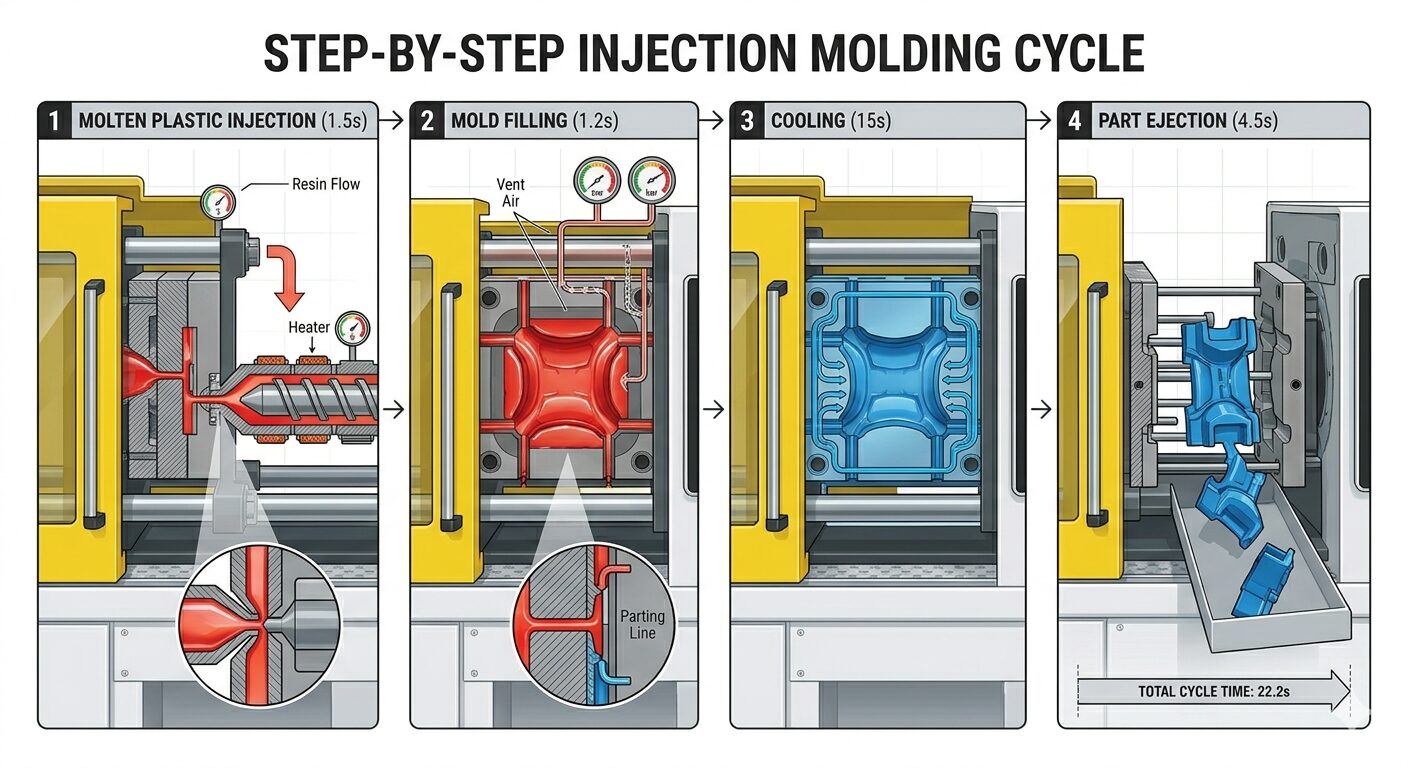 At its core, the process is straightforward. Plastic resin is heated until molten, injected under pressure into a mold cavity, cooled until solid, and ejected as a formed part. That cycle repeats thousands or even millions of times, depending on the product.
The service side is what separates a machine shop with molding capacity from a manufacturing partner. A complete plastic injection molding service typically starts with part evaluation. The supplier reviews geometry, wall thickness, undercuts, tolerances, material choice, and expected annual volume. From there, the mold is designed, manufactured, tested, adjusted, and prepared for production. Once the process is stable, the supplier runs the parts, inspects them, performs any required finishing, and delivers them according to the customer’s schedule.
That may sound linear, but in production it rarely is. A gate location may need to move to reduce weld lines. A rib may need adjustment to avoid sink marks. Material may need to change because the first option does not meet heat, impact, or chemical resistance requirements. A good injection molding service is built to solve those issues quickly without handing responsibility back and forth between multiple vendors.
How the service actually works
The first stage is design and manufacturability review. This is where many project risks are either removed or ignored. A supplier with strong engineering support will check whether the part can be molded efficiently, whether the tool design is realistic, and whether the tolerances match the application instead of adding unnecessary cost.
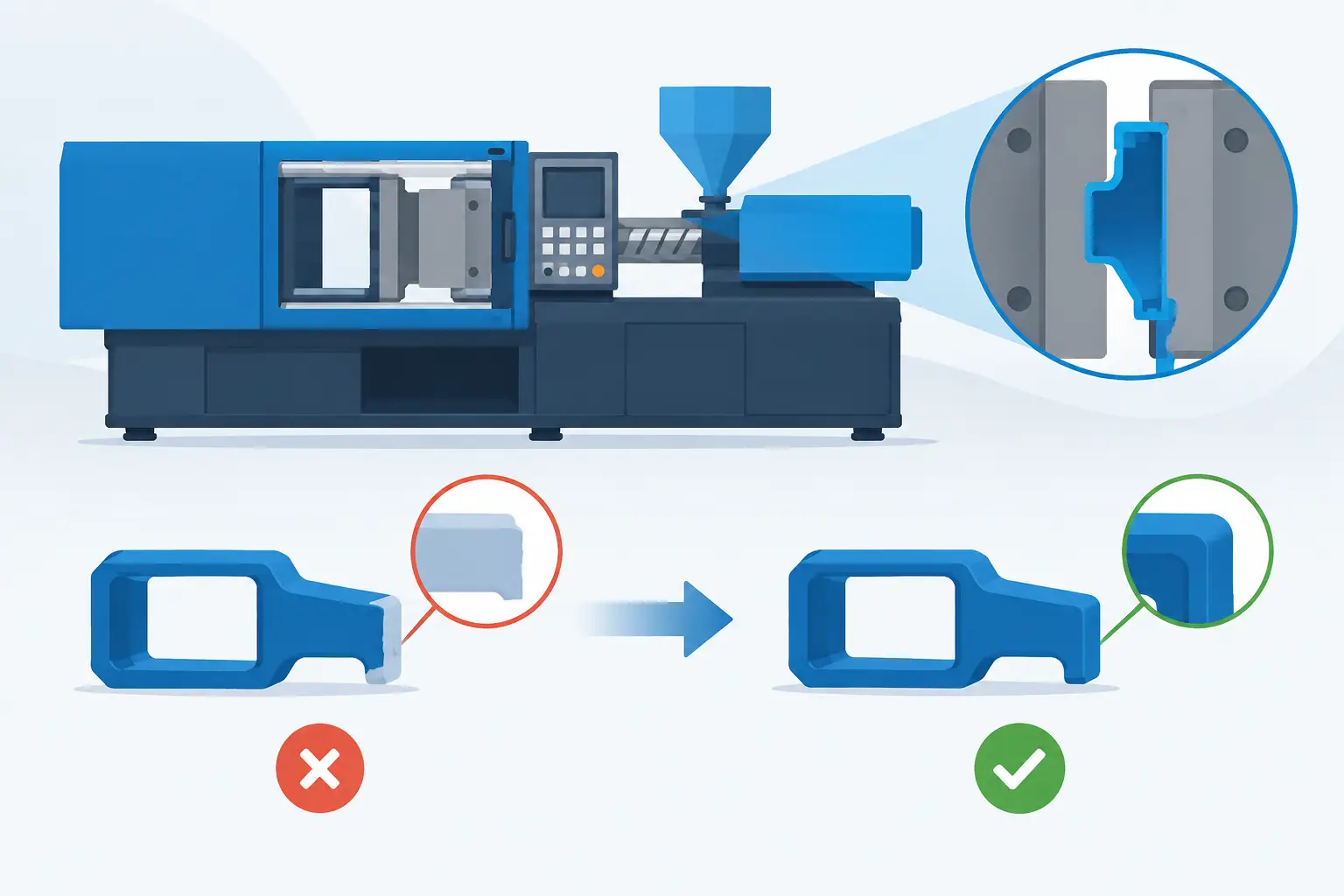
Next comes mold design and fabrication. The mold is the production asset that determines part consistency, cycle time, and long-term reliability. Tool design decisions affect cooling, venting, ejection, parting lines, flash control, and maintenance requirements. If the mold is poorly designed, no amount of machine adjustment will fully compensate for it.
After toolmaking, the supplier runs trials and sampling. Early samples are used to validate the mold, adjust process parameters, and confirm dimensional performance. This stage often includes mold modification, because real production behavior does not always match simulation or theoretical assumptions.
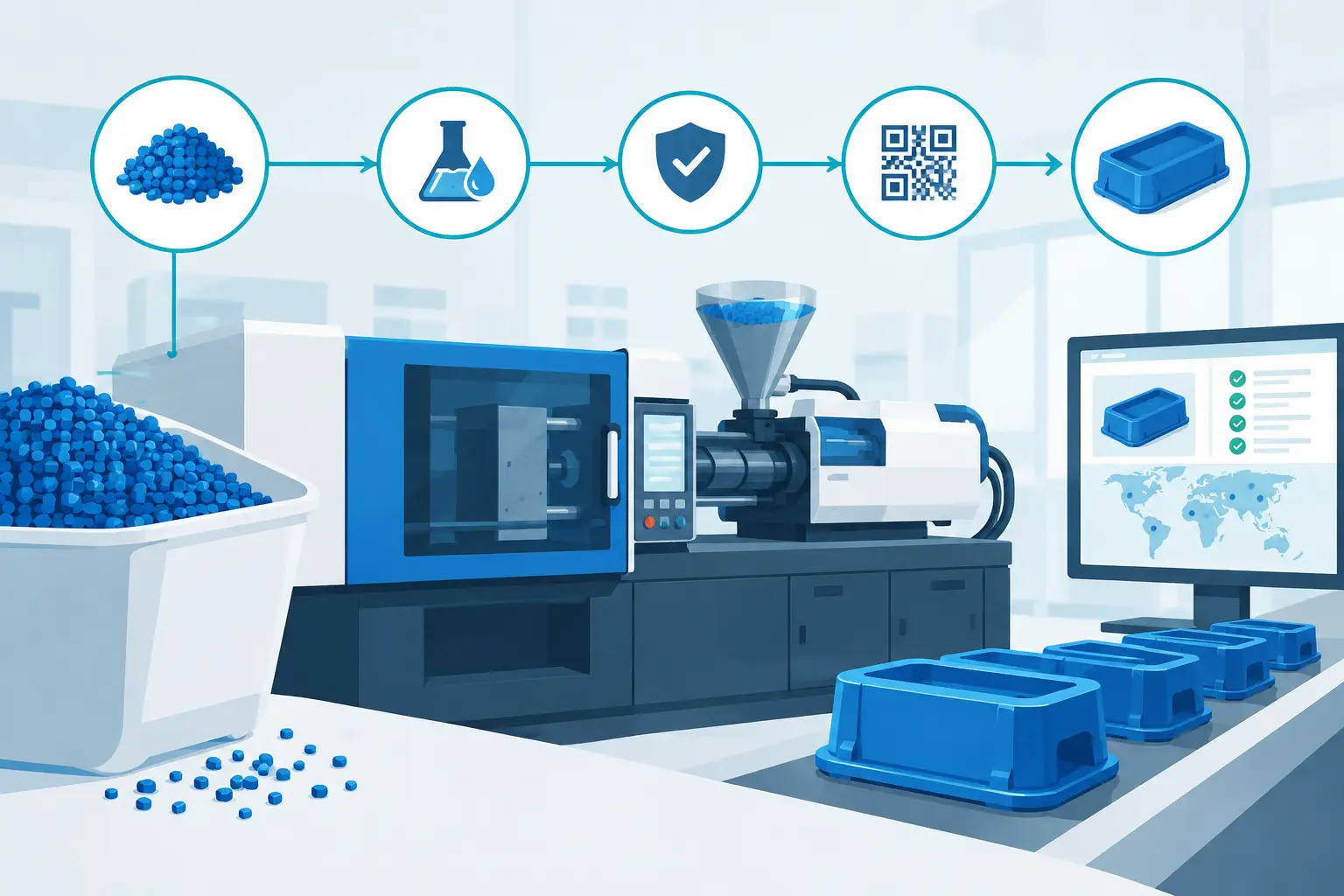
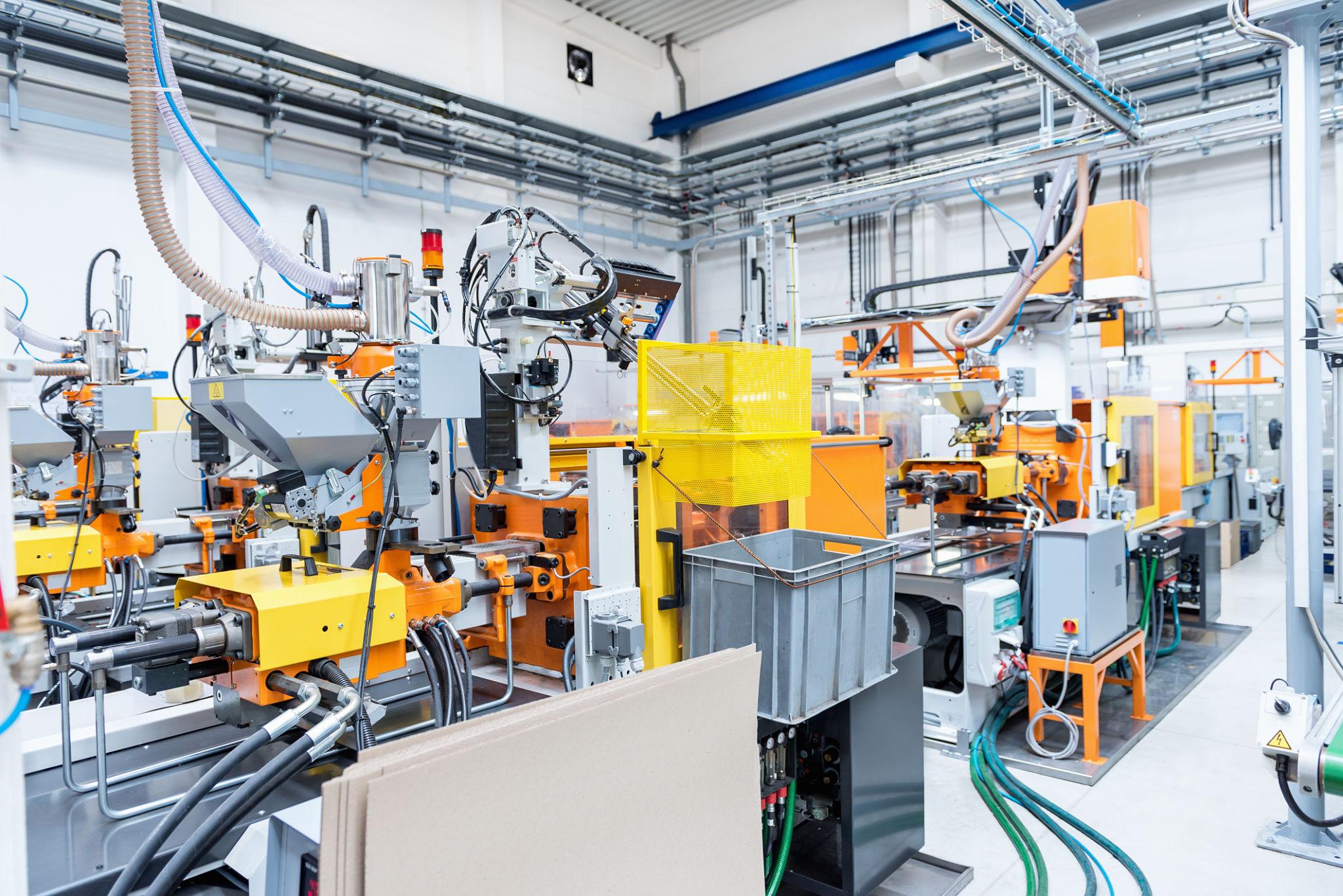
Once approved, the project moves into repeat production. Resin is loaded, the machine is set, and the process is controlled for stable output. Depending on the part, post-molding operations may include trimming, assembly, pad printing, ultrasonic welding, insert installation, packaging, or custom labelling.
The final step is quality assurance and delivery. For business buyers, this is not a minor detail. Inspection methods, traceability, defect control, and shipment readiness are part of the service. A low quoted piece price means very little if the supplier cannot maintain dimensional accuracy, cosmetic standards, or delivery reliability.
What a full-service provider includes
Not every supplier offering molding can provide full project ownership. Some only run customer-owned molds. Others outsource toolmaking, modifications, finishing, or quality checks. That can work for simple jobs, but it creates delays when engineering changes are needed or when defects appear during launch.
A full-service plastic injection molding provider usually combines tool design, mold fabrication, molding, secondary processing, maintenance, and quality control under one operation. That structure reduces handoff risk. If a mold needs modification after sampling, the correction can happen faster. If a part requires process tuning and tool adjustment at the same time, both teams can work together instead of debating fault.
For buyers under launch pressure, in-house control is often the difference between hitting a production date and losing weeks. It also improves accountability. When one manufacturer owns the tooling, molding, and output quality, there is far less ambiguity about who is responsible for results.
Why companies use plastic injection molding service
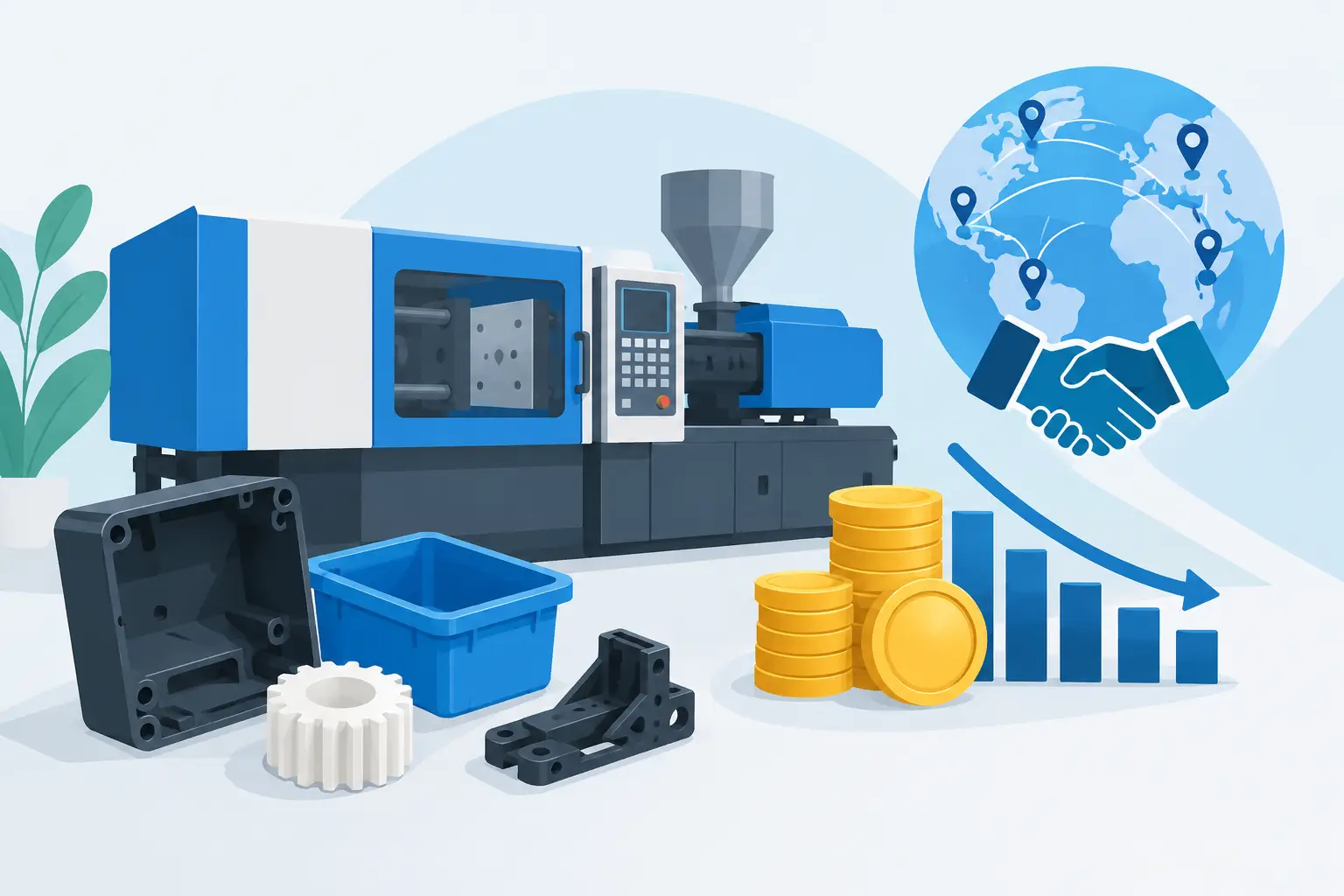
Injection molding is widely used because it is efficient at scale and capable of high repeatability. Once the mold is built and the process is stabilized, unit cost drops significantly across larger production runs. That makes it a strong choice for automotive components, electrical housings, utility parts, furniture hardware, bathroom accessories, and industrial assemblies.
The process also supports complex geometries that would be difficult or inconsistent with other methods. Features such as clips, ribs, bosses, textured surfaces, and detailed shapes can be molded directly into the part. That can reduce assembly time and eliminate secondary fabrication steps.
Still, the right answer depends on volume, material, and product expectations. Injection molding is usually not the best fit for very low quantities if the tooling cost cannot be justified. It also requires disciplined upfront engineering. A rushed design can lock in avoidable problems into the mold, where changes become more expensive.
The real value is not just the machine
Buyers sometimes compare suppliers based solely on tonnage, machine count, or piece price. Those factors matter, but they are only part of the picture. The real value in a plastic injection molding service comes from technical control.
Material selection affects strength, surface finish, shrinkage, and environmental resistance. Mold design affects fill balance, cooling efficiency, and part release. Process development affects cycle time, consistency, and scrap rate. Quality planning affects how fast problems are detected and corrected. If these functions are disconnected, the project absorbs the inefficiency.
This is why integrated manufacturers are often stronger partners for custom parts and repeat production. They can evaluate the part, build the mold, modify the tool, run the process, and support ongoing maintenance without relying on separate external shops for every change. For customers managing deadlines, that is a practical advantage, not a marketing claim.
Common trade-offs buyers should understand
There is no universal best setup. A highly polished cosmetic part may require slower cycles or tighter process control. A lower-cost resin may reduce material spend but create dimensional instability or weaker long-term performance. A multi-cavity mold can improve output, but it also increases tooling complexity and may demand tighter balance control.
Lead time is another trade-off. Fast execution is possible, but speed should not come at the expense of mold quality or process validation. If a supplier promises rapid completion, the important question is how much of the work is controlled in-house. That is often what makes short timelines realistic.
Global buyers should also consider communication and project ownership. A supplier that can manage engineering support, tooling changes, production, and shipment within one coordinated operation is usually easier to work with than a chain of disconnected vendors.
How to evaluate a plastic injection molding service
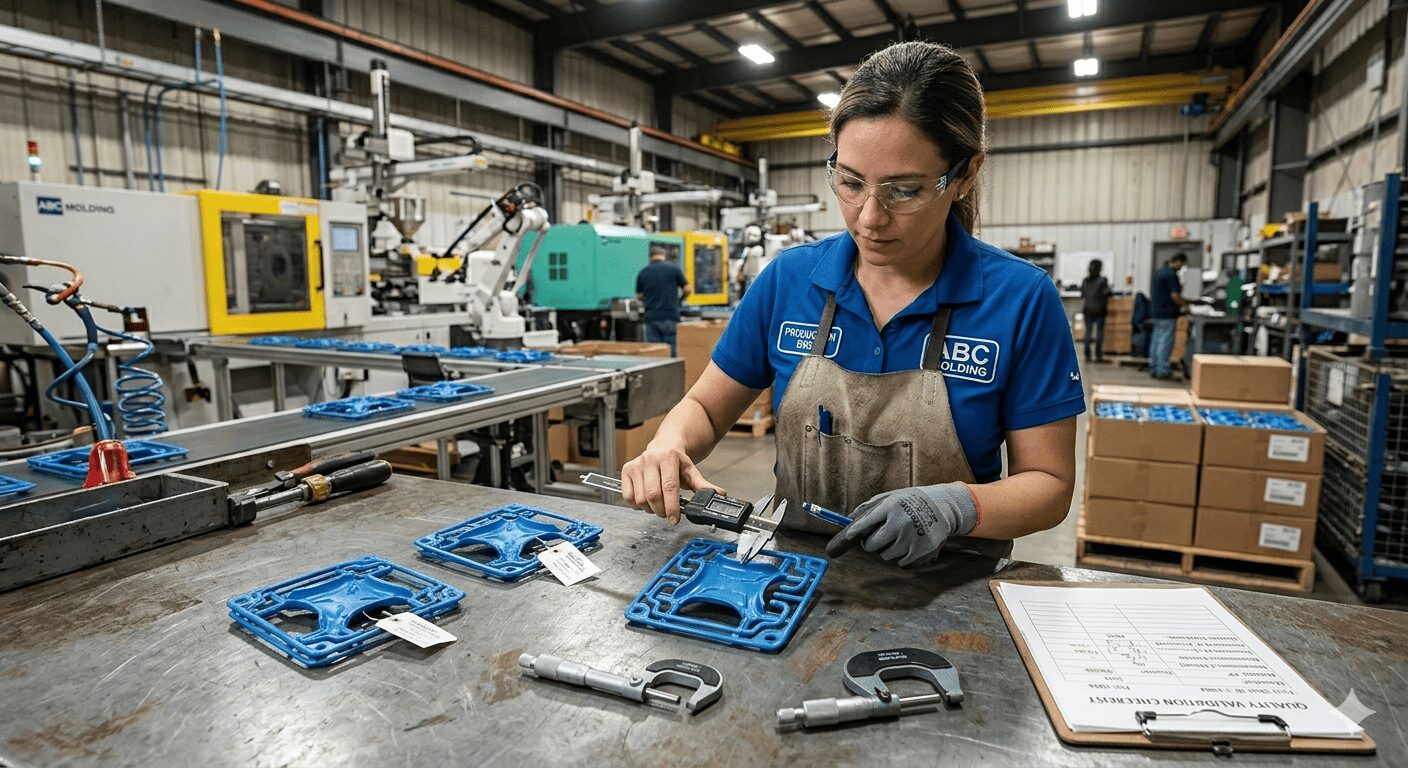 If you are sourcing a new project, ask how the supplier manages design feedback, mold fabrication, sampling, modification, and production transfer. Ask who owns each step. Ask whether tool maintenance is handled internally and how quality is verified during repeat runs.
You should also look at production capacity in context. Machine size range matters, but so does the supplier’s ability to match the right press to the part, maintain tooling condition, and scale from first samples to regular output. Experience across industries can help too, especially when the part has technical requirements tied to fit, durability, or regulatory expectations.
A capable partner should be able to explain why a part is designed a certain way, what risks may appear during molding, and how those risks will be managed before they become delays. That is the level of service serious manufacturing projects require.
For companies that need custom plastic components, the best answer to what is plastic injection molding service is simple: it is not just part production. It is the engineering, tooling, process control, and execution required to turn a design into a dependable supply. When that work is integrated under one roof, the path from concept to shipment gets shorter, clearer, and easier to trust.
If you are planning a new part or trying to stabilize an existing one, choose a supplier that can do more than quote a mold and run a machine. Choose one that can carry the project all the way to production without losing control where it matters most.
Bringing a plastic part into production does not have to involve trial and error. With the right partner, you can reduce risks, control costs, and move faster from design to delivery.
Contact us to explore how our end-to-end plastic injection molding service can support your next project.