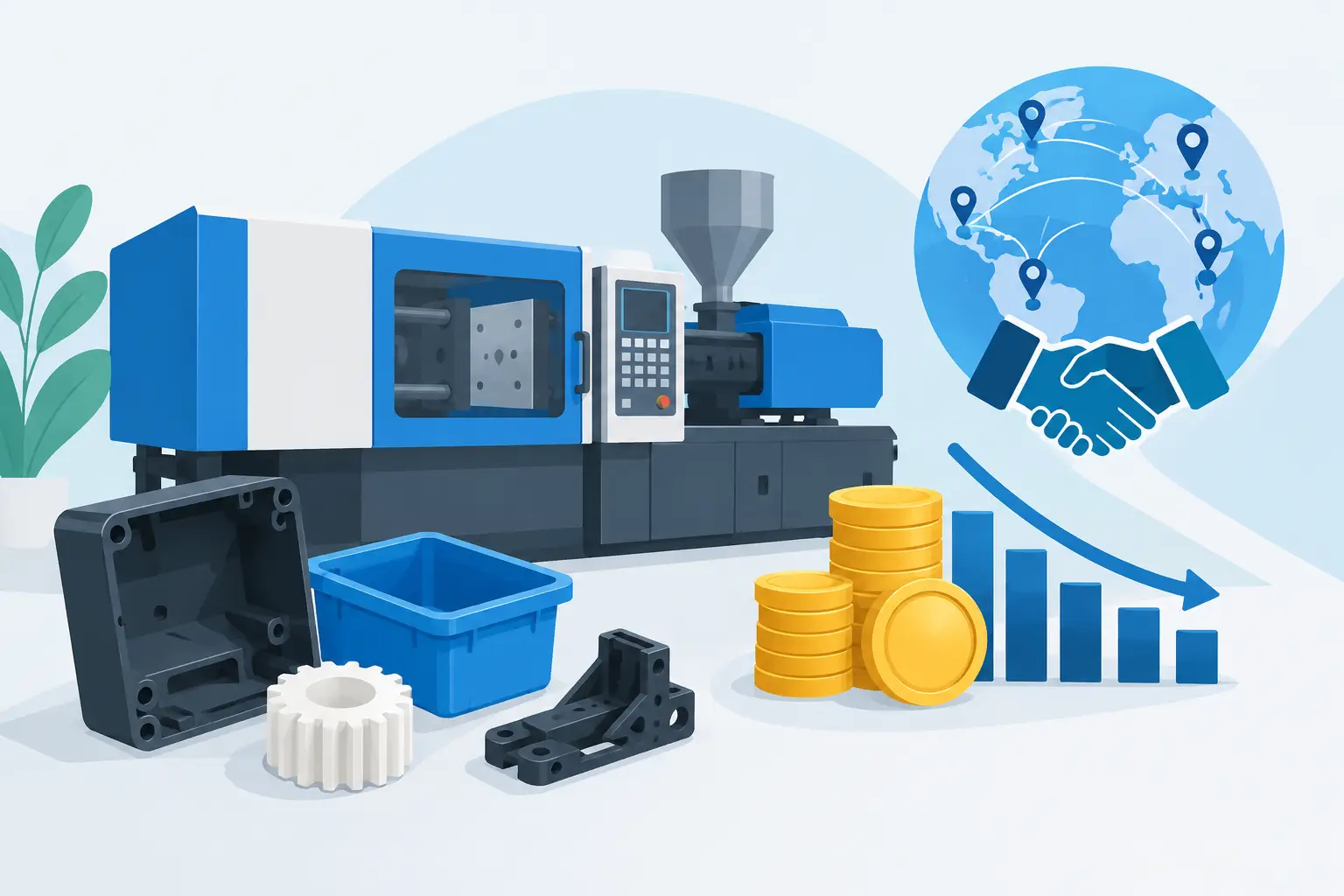
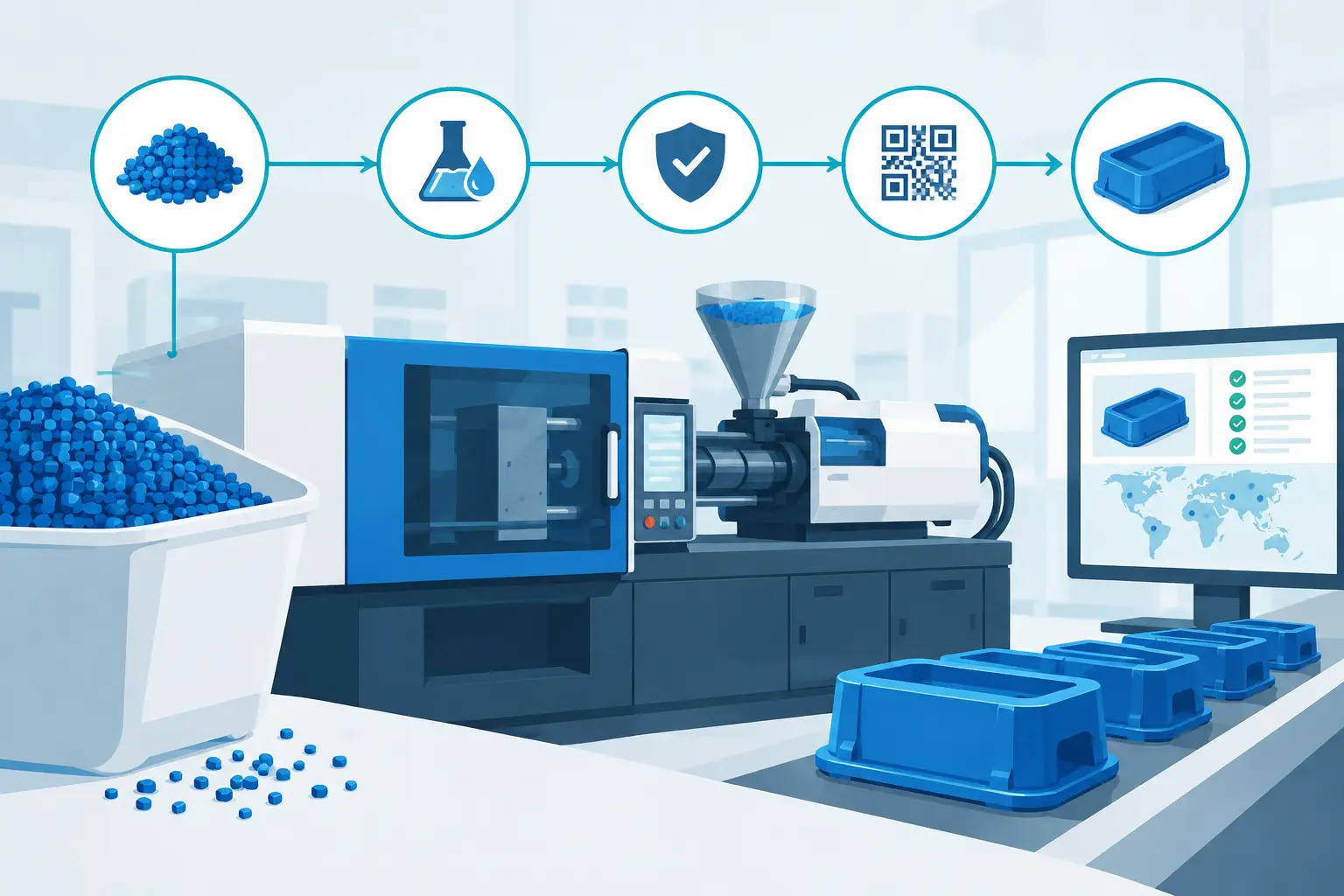
A product idea usually looks clear in a meeting room. Then it reaches engineering, sourcing, tooling, production, quality, packaging, and shipping – and the gaps show up fast. That is why the question what is product design and development matters so much for manufacturers, OEMs, and procurement teams. It is not just about creating a part that looks right. It is about building a product that can be engineered, tooled, tested, produced at scale, and delivered consistently.
What is product design and development in manufacturing?
In practical manufacturing terms, product design and development is the full process of turning an idea into a production-ready product. It starts with defining the function, dimensions, materials, performance requirements, and commercial targets. It then moves through design refinement, prototyping, tooling strategy, process validation, quality planning, and repeatable production.
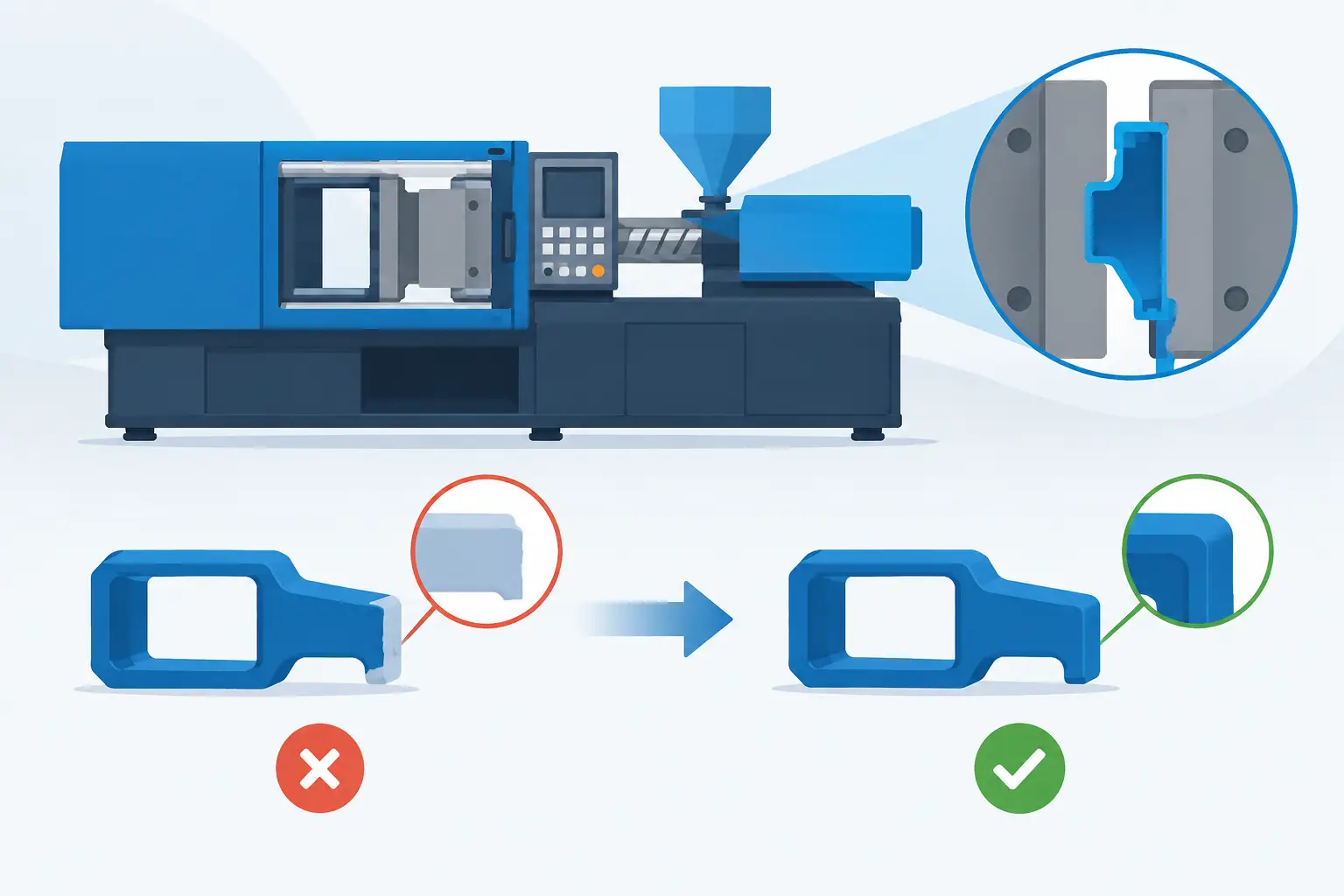
For plastic components, this process is especially connected to how the part will actually be molded. A design may work well on screen and still create sink marks, weak weld lines, warpage, flash, or unnecessary cycle time once it reaches the press. Good product development closes that gap early. It aligns product intent with manufacturing reality.
That is the difference between designing a part and developing a product. Design focuses on the solution itself. Development makes sure that solution can survive production conditions, cost targets, and field use.
Why the process is broader than most teams expect
Many buying teams first think about product development as an engineering activity. In reality, it is a cross-functional production process. Product performance, mould design, resin behavior, tolerances, assembly requirements, cosmetics, packaging, and logistics all influence the final result.
A housing for an electrical product is a simple example. The industrial design may be approved quickly, but the development work is where the real production questions begin. Will the wall thickness support proper fill? Can the snap fits survive repeated use? Does the selected resin meet heat and impact requirements? Can the mould be maintained efficiently over long production runs? Will the texture hide flow marks or make defects more visible?
Each of those decisions affects quality, lead time, and cost. That is why experienced manufacturers treat product design and development as one connected system rather than a handoff between departments.
The core stages of product design and development
The exact sequence depends on the product, but the structure is usually consistent.
Concept definition
This is where the product requirements are clarified. Teams define what the part must do, where it will be used, what loads or environmental conditions it must handle, and what commercial limits apply. If this stage is rushed, problems tend to reappear later as redesigns, tooling changes, or production delays.
For custom plastic parts, concept definition should also include realistic production assumptions. Annual volume, part criticality, expected lifespan, and surface finish requirements all matter because they influence tooling investment and process selection.
Design engineering
Once the concept is clear, the product geometry is developed in detail. This stage covers dimensions, wall thickness, draft angles, ribs, bosses, undercuts, joining features, and material choice. For molded components, these are not minor details. They determine whether the part can be released from the mould cleanly, maintain dimensional stability, and perform in application.
This is where design for manufacturing becomes essential. A part may be technically possible to mold, but still inefficient, expensive, or unstable in production. Good engineering reduces those risks before steel is cut.
Prototyping and evaluation
Prototypes help teams test fit, function, and user interaction before full tooling is committed. Depending on the product, this may involve 3D-printed samples, soft tooling, or pilot parts. Prototyping is useful, but it has limits. A prototype does not always reflect the exact behavior of an injection molded production part, especially when resin flow, shrinkage, or structural performance are critical.
That is why prototype feedback should be treated carefully. It helps answer some questions early, but not every question.
Tooling and process development
For molded plastic products, this is the stage where development becomes fully industrial. Mould design, gate location, cooling strategy, ejection, steel selection, cavity layout, and expected cycle time all need to be engineered around the part.
This stage has a major effect on long-term production performance. A low-cost tooling decision may reduce upfront spend but create instability, slower cycles, or higher maintenance later. On the other hand, overengineering a mould for a low-volume product can hurt overall project economics. The right choice depends on projected demand, part complexity, and quality expectations.
Validation and production readiness
Before repeat production begins, the product and process need to be validated. This usually includes first article inspection, dimensional checks, cosmetic review, assembly trials, and process tuning. The goal is not just to make one acceptable batch. It is to confirm that the product can be manufactured repeatedly within specification.
This stage is often where experienced in-house teams create real value. If mould modifications, process adjustments, finishing requirements, or quality corrections need to happen, speed and control matter.
What makes product development succeed or fail
The biggest failures in product development are rarely caused by one dramatic mistake. More often, they come from small disconnects between design intent and production reality.
A part may have overly thick sections that create sink. Tolerances may be tighter than the process can hold economically. Material may be selected for appearance but perform poorly under load. A component may be easy to mold but difficult to trim, assemble, inspect, or pack. These are development failures, not just production issues.
Successful programs usually share three traits. First, manufacturing input comes early, before tooling is finalized. Second, the team treats moulding, finishing, and quality as part of the original design problem. Third, the supplier has enough technical control to respond quickly when adjustments are needed.
This is one reason integrated manufacturers are often better positioned than fragmented supply chains for custom plastic products. When design refinement, tooling, molding, secondary processing, and quality assurance are connected, decisions can be made faster and with fewer handoff errors.
Why product design and development matters to buyers
For procurement teams, product development can sound like an engineering topic that sits outside the purchasing function. In reality, it affects supplier risk, total landed cost, launch timing, and long-term consistency.
If product design and development is handled poorly, buyers usually feel the impact through missed deadlines, repeated corrections, unstable quality, scrap, and unexpected tooling changes. If it is handled well, the product moves into production with fewer disruptions and stronger cost control.
For OEMs and industrial brands, that difference matters. A plastic part is rarely just a plastic part. It may be part of an assembly, a visible consumer-facing element, a safety-related component, or a repeat-order SKU that has to perform the same way over thousands or millions of cycles.
That is why the best manufacturing partners do more than quote a drawing. They challenge weak assumptions, flag risks early, and help shape a design that works both technically and commercially.
Product design and development for plastic injection molding
In injection molding, development quality shows up in the details. Proper draft supports release. Balanced wall sections improve fill and reduce distortion. Rib geometry adds strength without creating sink. Material selection affects impact resistance, dimensional stability, chemical exposure, and cosmetic finish. Tool layout affects output rate and repeatability.
There is always a trade-off somewhere. A more complex geometry may improve end-use performance but increase tooling cost. A tighter tolerance may help assembly but require more process control. A surface finish may improve appearance but reveal moulding defects more clearly. Good development work does not avoid trade-offs. It manages them deliberately.
For companies launching a new plastic product, replacing a discontinued component, or improving an existing part, this stage is where time can be won or lost. Glasfil approaches this as a full realization process, not a single production step, because getting from concept to stable output requires engineering, tooling control, and manufacturing alignment from the start.
A better way to think about the process
If you are evaluating suppliers or planning a new part, it helps to stop thinking of product development as a pre-production formality. It is the stage where production success is built. By the time a mould is running, many of the most important commercial decisions have already been made.
A strong product is not just well designed. It is well developed for the way it will be manufactured, inspected, shipped, and used. That is the standard worth aiming for, especially when the part has to perform reliably long after the launch window has passed.
The right question is not only whether a supplier can make the part. It is whether they can help shape a product that is ready for production from the beginning.
Contact us if you need a partner to help you with your product design.