A mold that looks fine on the bench can still be losing money on the press. Flash starts creeping in, dimensions drift, cycle times stretch, and suddenly a tool that was supposed to support years of production becomes a bottleneck. That is why one of the first questions buyers ask is how long do molds last. The honest answer is not a single number. Mold life depends on tool design, steel selection, resin type, part geometry, processing conditions, and how seriously maintenance is handled after launch.
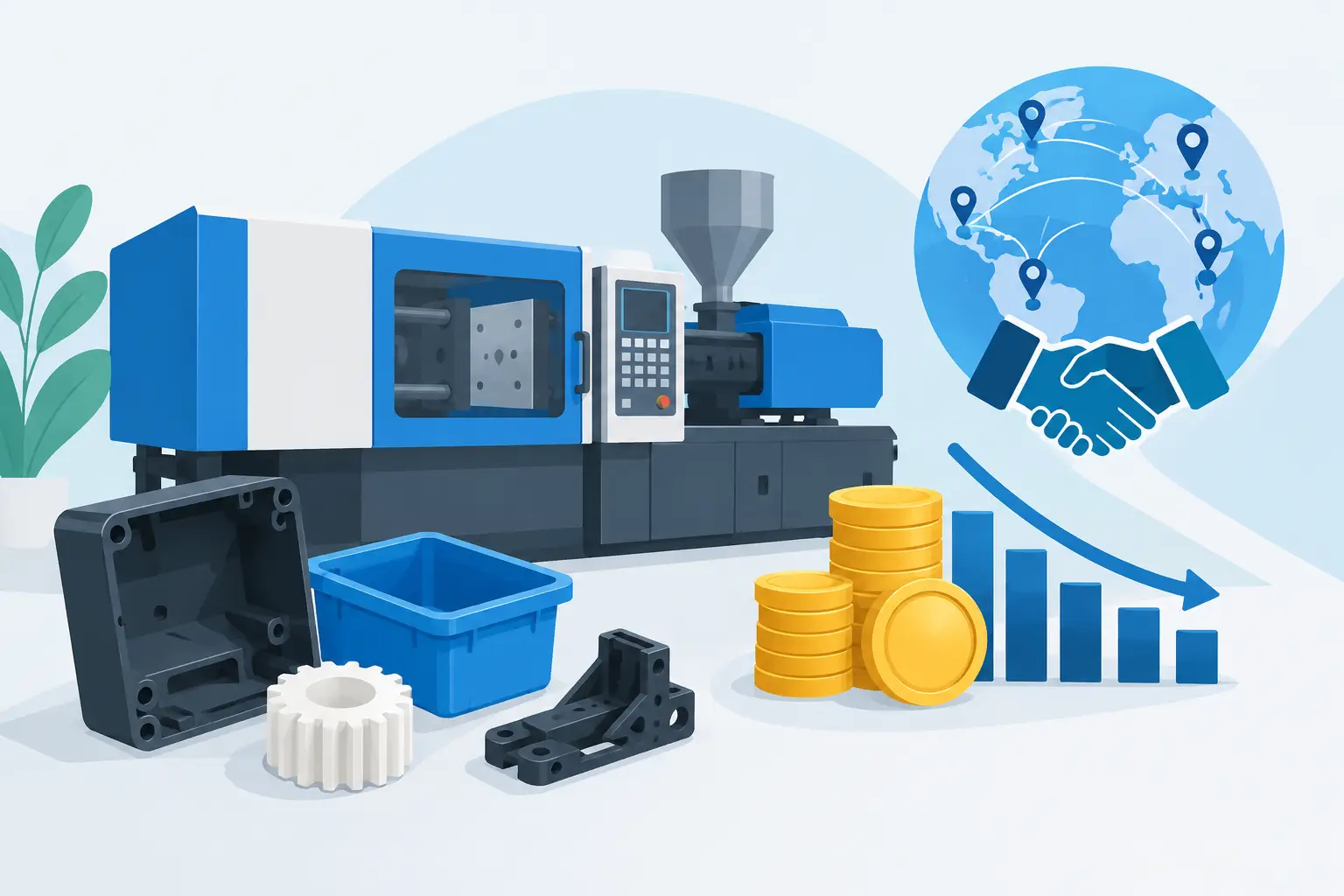
For procurement teams and engineers, mold life is not just a tooling question. It affects part cost, delivery reliability, quality consistency, and the timing of future capital spend. A low upfront tooling price can look attractive until unplanned repairs, scrap, and downtime start adding up.
How long do molds last in real production?
In plastic injection molding, mold life is usually discussed in cycles. A cycle is one completed molding shot. Some molds are built for short runs of a few thousand to tens of thousands of cycles. Others are designed for hundreds of thousands or even more than a million cycles.
As a general working range, an aluminum prototype mold may be suitable for lower-volume development work, while a hardened steel production mold can run for very long programs when it is designed and maintained correctly. But those ranges are only useful as a starting point. A mold rated for one million cycles on paper can fall short if the resin is abrasive, the gate erodes early, cooling is poorly managed, or preventive maintenance is delayed.
That is why experienced manufacturers do not talk about lifespan in isolation. They look at expected annual volume, resin characteristics, dimensional tolerances, cosmetic requirements, and how quickly the tool must be serviced when wear appears.
What determines mold life
The biggest factor is usually the combination of tool material and application. A soft material may be perfectly acceptable for prototyping or bridge production, but it will not hold up the same way under high-volume output. Hardened steels cost more at the start, yet they offer better resistance to wear, deformation, and repeated clamping pressure.
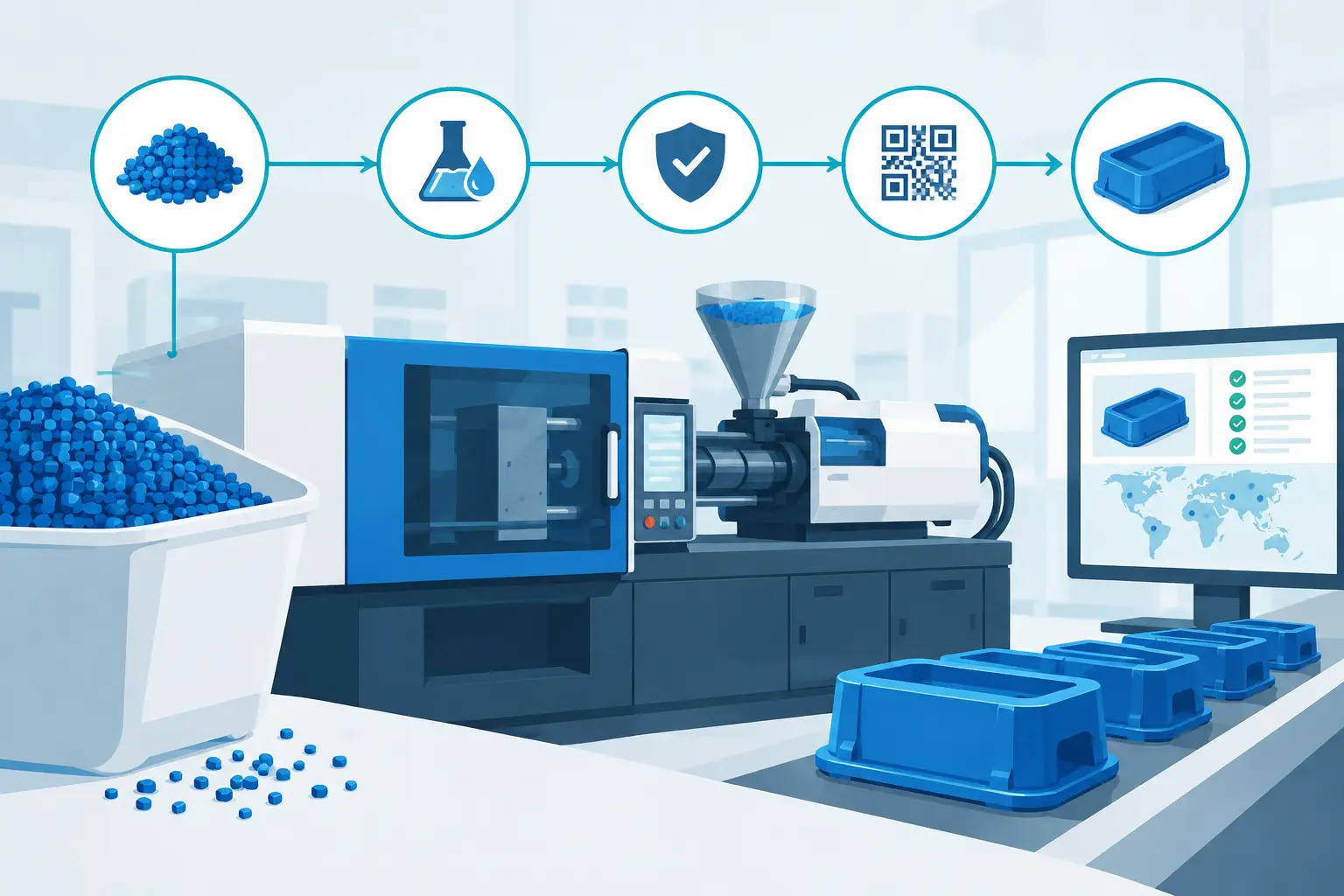
Resin choice matters just as much. Glass-filled materials are a common example. They improve part performance, but they are significantly more aggressive on gates, runners, shut-offs, and cavities than unfilled resins. Flame-retardant compounds and other additive-heavy materials can also accelerate wear. If the tool is not engineered for that environment, lifespan drops.
Part design also changes the equation. Deep ribs, thin walls, sharp corners, textured surfaces, undercuts, and complex ejection all increase stress on the mold. A simple housing and a tight-tolerance technical component do not place the same demands on tooling, even if they use the same press and resin.
Then there is process discipline. Excessive injection pressure, poor venting, unstable cooling, and inconsistent setup can shorten mold life faster than many buyers expect. A good tool can still be damaged by a bad process.
The difference between prototype, bridge, and production molds
Not every mold is meant to last the same length of time, and that is where many early cost assumptions go wrong. If a customer needs fast samples, low initial investment, or a short market test, a prototype or bridge tool may be the right decision. It gets parts to validation quickly without overcommitting capital.
But if demand is proven and annual volumes are substantial, that same tooling strategy can become expensive. Frequent repair work, inconsistent dimensions, and shorter maintenance intervals create hidden costs. In those cases, a full production mold usually delivers better economics across the life of the program.
This is where upfront engineering matters. The right question is often not simply how long do molds last, but how long should this mold last for the program we are planning? The answer should be matched to forecast volume, part criticality, and acceptable downtime risk.
Common wear points that shorten mold life
Molds rarely fail all at once. They wear progressively, and the damage often starts in a few predictable areas.
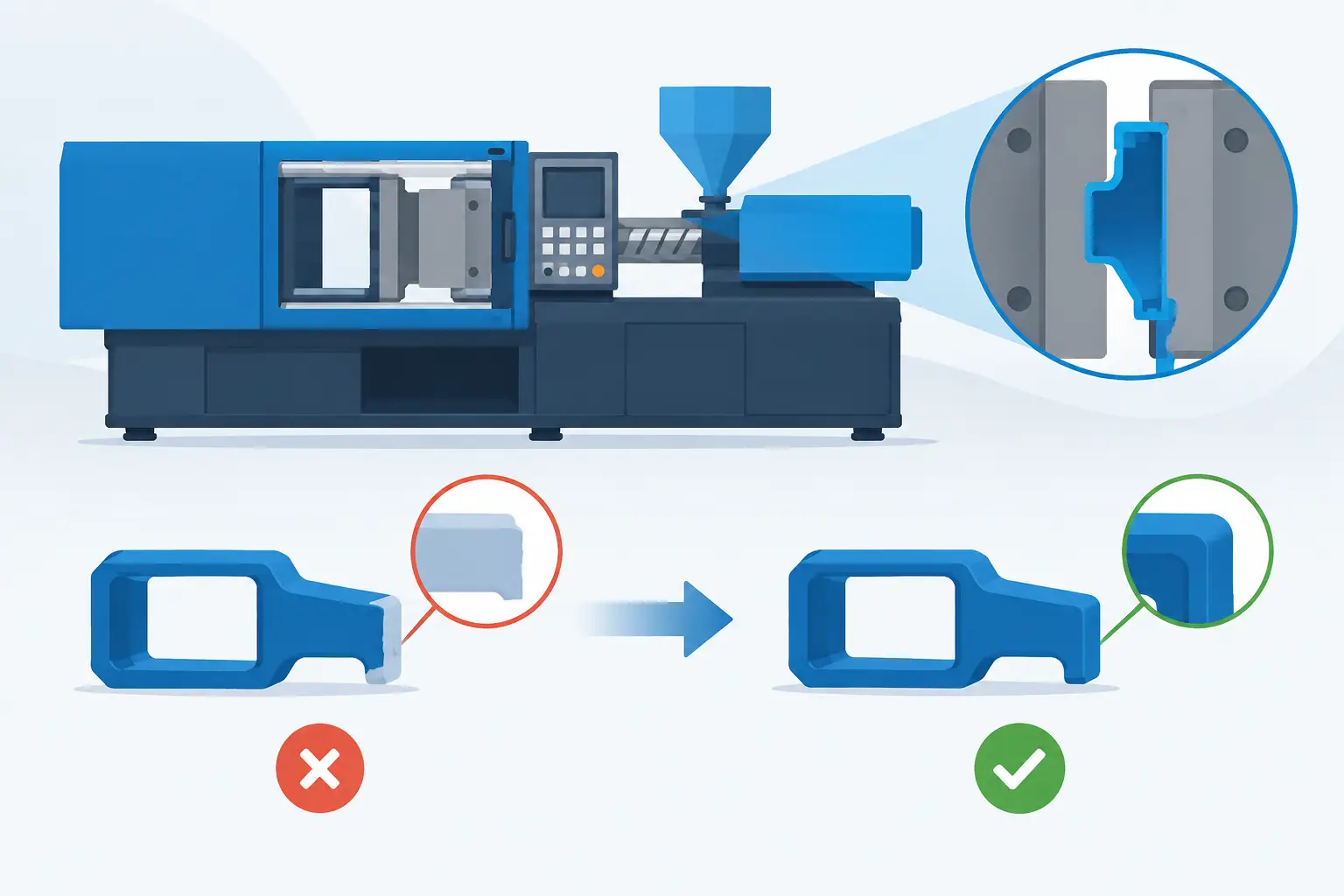
Gates are one of the first places to show erosion, especially with abrasive materials or high flow velocity. Shut-offs can wear and start creating flash. Ejector pins may gall or bind. Slides and lifters can lose alignment if lubrication and maintenance are inconsistent. Cooling channels can scale or clog over time, which affects heat transfer and pushes cycle times higher.
Surface finish is another issue. If a part has cosmetic requirements, even small damage to cavity surfaces can turn into a quality problem before the tool is technically at the end of its life. For precision components, minor wear may also affect fit and function long before a mold becomes unusable.
That is why tool life should be measured in terms of performance, not just survival. A mold that still runs but no longer delivers stable dimensions or acceptable appearance is already costing the program.
Maintenance is what protects mold life
The fastest way to shorten tool lifespan is to treat maintenance as a reaction instead of a schedule. Preventive maintenance protects production output because it catches wear before it becomes damage.
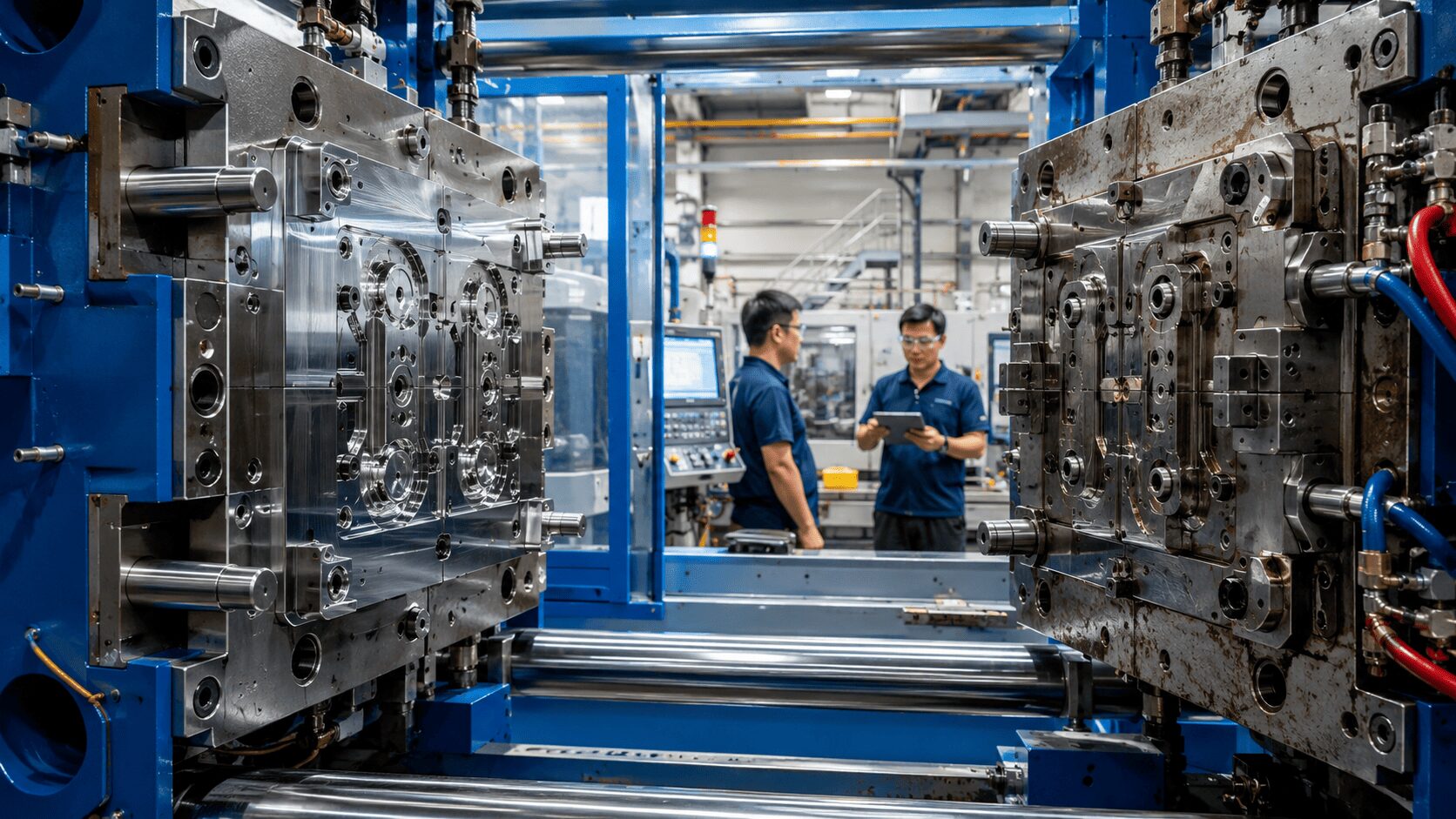
A disciplined maintenance plan typically includes cleaning vents, checking shut-offs, inspecting gates, verifying alignment, monitoring cooling efficiency, and replacing wear components before they fail in the press. Documentation matters here. Tracking cycle counts, repair history, recurring defects, and replaced components gives a much clearer picture of actual tool condition.
For buyers, this has a direct supply chain impact. A supplier with in-house mold maintenance and modification capability can respond faster when a tool needs service or adjustment. That speed helps protect deliveries and reduces the risk of extended downtime while the mold is moved between vendors.
Cost trade-offs buyers should weigh
Longer mold life usually requires more investment at the beginning. Better steel, tighter machining, stronger design standards, and more attention to wear areas all increase tooling cost. For some programs, that extra cost is justified immediately. For others, it is not.
The right decision depends on volume and business risk. If a part supports a long-running product line, repeated orders, or multiple regional launches, durability usually wins. If the part is temporary, uncertain, or likely to change soon, a shorter-life tool may be the smarter move.
What buyers should avoid is the middle ground where the tool is too expensive for a short-run strategy but not strong enough for long-term production. That is where total cost rises quietly through repairs, interruptions, and quality losses.
How to estimate the right mold life for your project
A practical estimate starts with annual usage. From there, look at the expected program length, the resin, the tolerance window, and the cost of downtime. If the tool will run a high-wear material at high volume with tight tolerances, it should be engineered and quoted that way from day one.
It also helps to ask more precise questions during sourcing. Instead of only asking for mold price, ask what steel is being used, what cycle life the supplier is designing for, what wear components are expected to be replaced, and how maintenance will be handled. Ask what happens if the part changes after launch. Ask whether modifications, repairs, and validation are managed in-house.
Those details tell you far more than a simple lifespan estimate. They show whether the supplier is planning for stable production or only for initial tool delivery.
For companies scaling custom plastic components, this is where a full-service manufacturing partner adds value. When mold design, fabrication, maintenance, molding, and quality control are managed under one roof, decisions about tool life are tied directly to production realities. That alignment reduces handoff delays and makes it easier to protect both output and part quality over time.
A mold does not need to last forever. It needs to last long enough, reliably enough, and predictably enough to support the business case behind the part. When the tooling strategy matches the production plan, mold life becomes less of a guessing game and more of a controlled manufacturing asset.
Contact us today to request a quote or schedule a discussion with our technical team.