A part can meet its nominal dimensions at the press and still fail in the real world. It may warp after assembly, leak under pressure, show inconsistent gloss, or vary enough between production lots to disrupt an automated line. Manufacturers that control these outcomes across the complete production process—rather than simply running a molding machine—are shaping the future of precision molding.
For OEMs, product developers, and procurement teams, precision no longer means just a tight tolerance on a drawing. It means predictable part performance, stable repeat production, fast response to engineering changes, and clear accountability from tooling through final shipment. That shift is changing what customers should expect from an injection molding partner.
Precision Starts Before the Press
Engineers often design the most expensive molding problems into the project before cutting steel. A part geometry may appear straightforward but contain thin sections that fill unevenly, ribs that cause sink marks, sharp transitions that create stress, or draft angles that complicate ejection. Material selection adds another layer of risk when engineers do not evaluate shrinkage, heat resistance, chemical exposure, impact performance, or cosmetic requirements early enough.
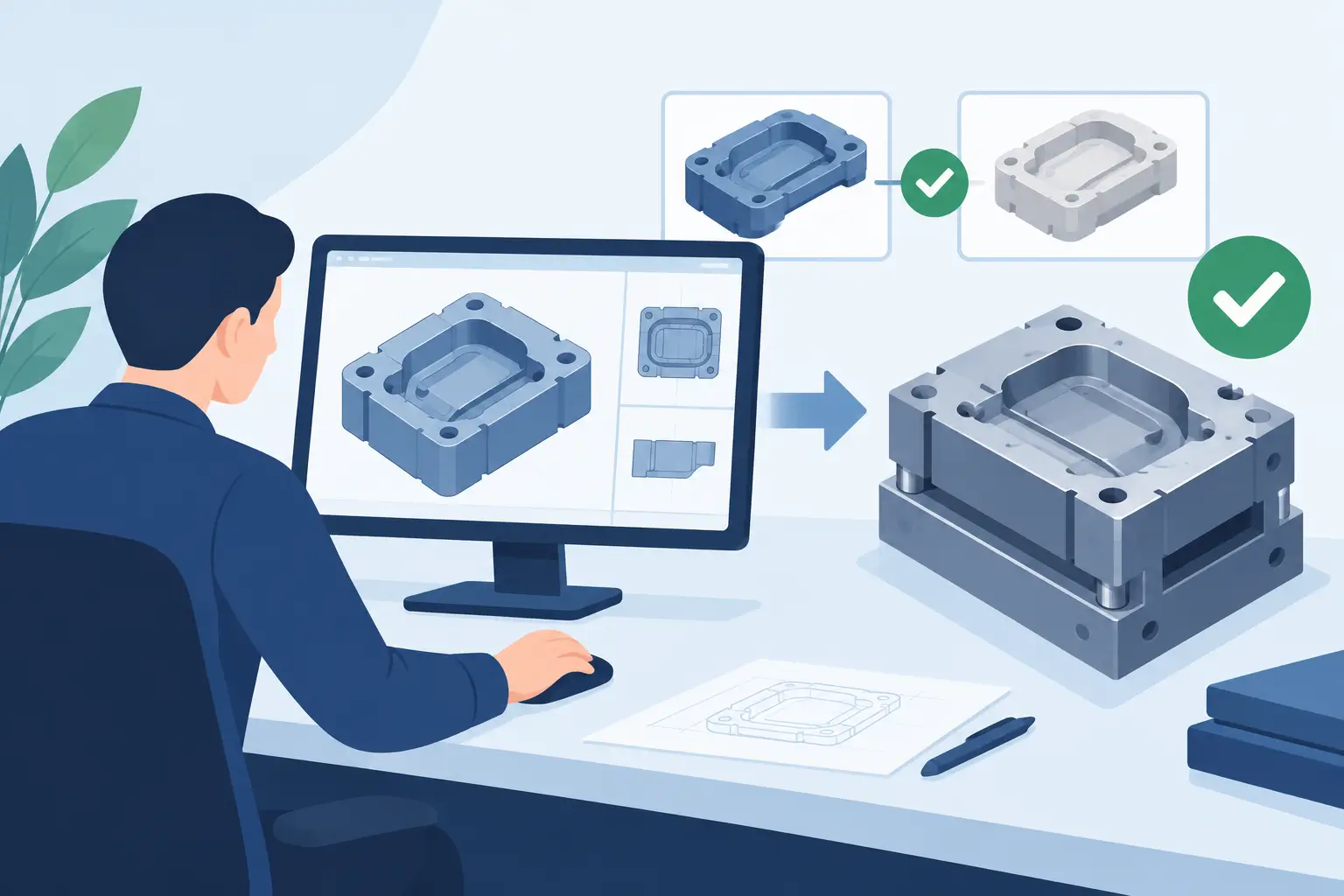
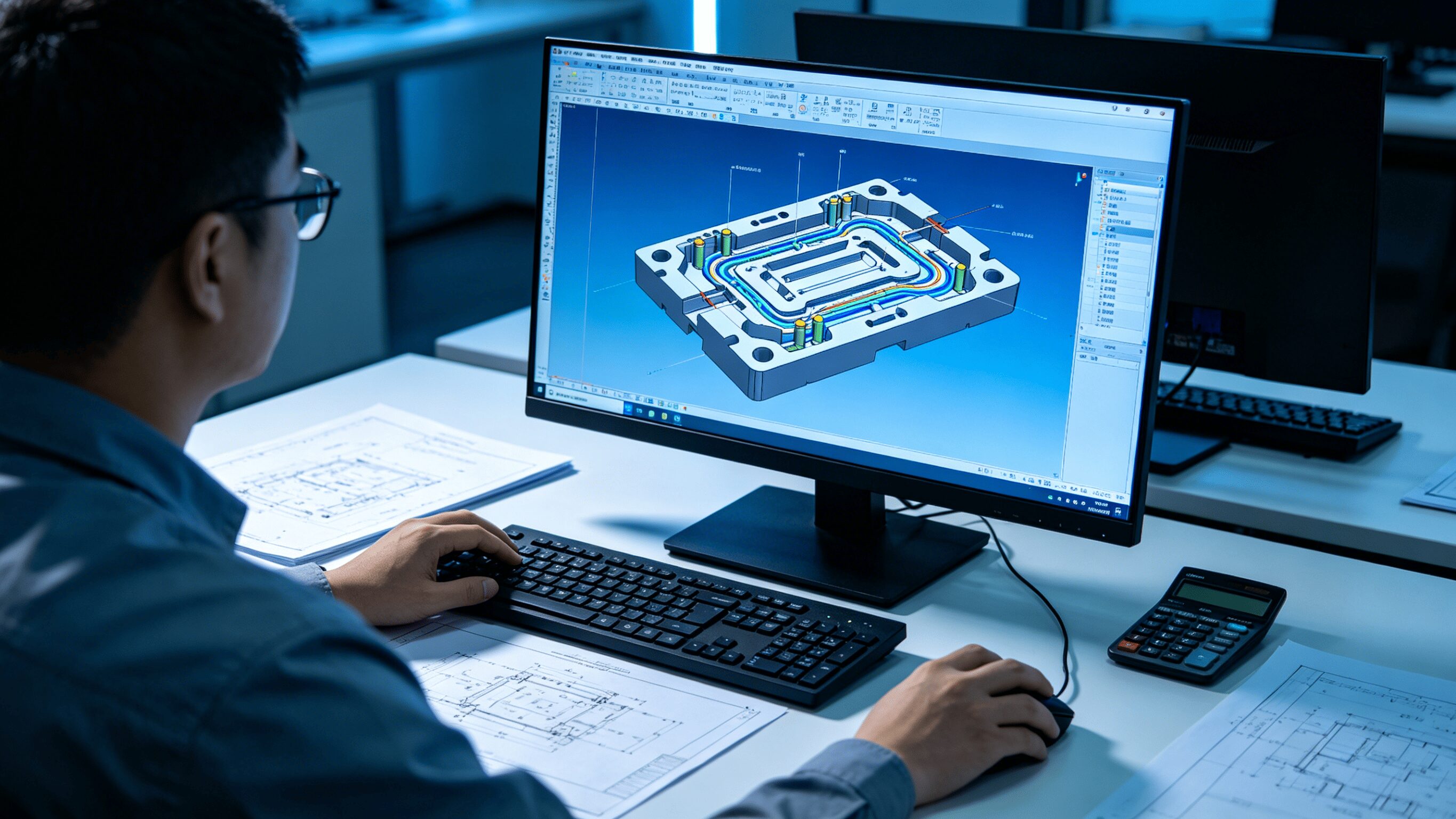
This is why the next generation of precision molding starts with stronger design-for-manufacturing work. Engineers must consider mold flow analysis, tolerance review, gate location planning, cooling strategy, and material behavior as connected decisions. A tooling change to improve cycle time can affect dimensional stability. A resin change selected for cost can alter shrinkage and surface appearance. Precision comes from managing those interactions before they become production defects.
For buyers, this changes the value of early engineering support. The right question is not only, “Can we mold this part?” It is, “Can we mold this part repeatedly at the required quality level, production volume, and commercial target?” Those are very different standards.
The Future of Precision Molding Depends on Tooling Control
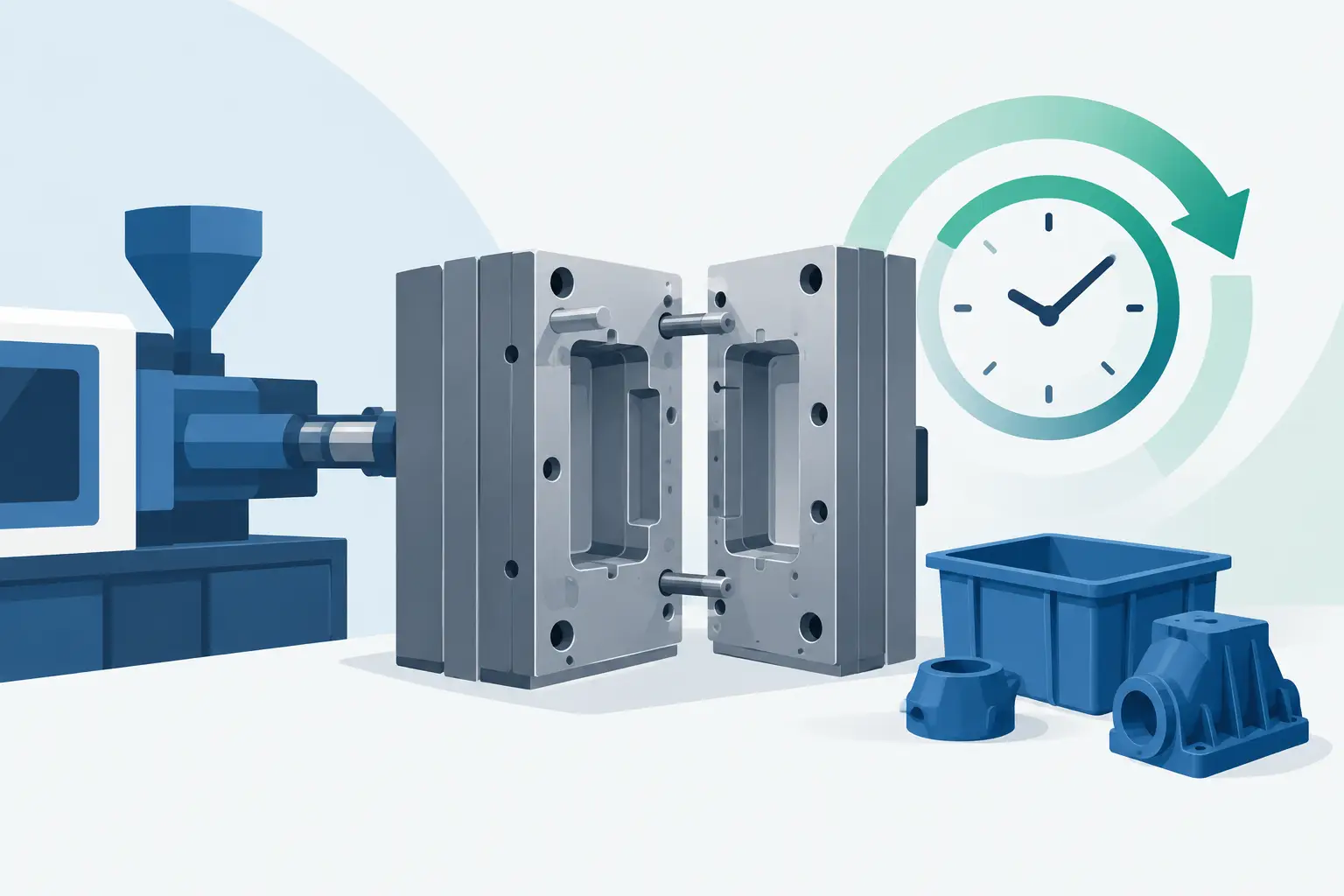
Tooling remains the foundation of repeatable injection molding. A sophisticated molding machine cannot compensate indefinitely for a poorly built mold, inadequate cooling, worn components, or a tool that teams cannot modify efficiently when a product changes.
As product cycles shorten, mold modification capability becomes a commercial advantage as much as a technical one. OEMs need to correct fit issues, respond to customer feedback, introduce product variants, or accommodate supply changes without starting the tooling process from zero. When manufacturers control mold design, fabrication, repair, and modification in-house, they shorten the feedback loop and establish clearer accountability.
This does not mean every project requires the most complex multi-cavity tool. Teams must make tooling trade-offs deliberately based on forecast volume, part complexity, lifecycle expectations, and speed-to-market requirements. For a developing product, a flexible approach that supports rapid revisions offers more value than optimizing immediately for the lowest unit cost. For a mature, high-volume component, the priority shifts toward cycle consistency, automated handling, and mold longevity. Engineers should craft tooling around the business case rather than choosing a generic template.
Data Will Improve Decisions, Not Replace Process Discipline
More molding operations are using sensors, automated process monitoring, vision systems, and digital production records. These tools can provide earlier warning of drift in pressure, temperature, cycle time, or part weight. They also make it easier to connect quality findings to a specific machine setting, material lot, cavity, or time period.
That visibility matters most when it supports action. A dashboard has little value if the production team cannot identify why a process moved outside its validated window or what correction will protect the next shipment. The strongest quality systems combine data with experienced technicians, documented process parameters, calibrated inspection equipment, and disciplined reaction plans.
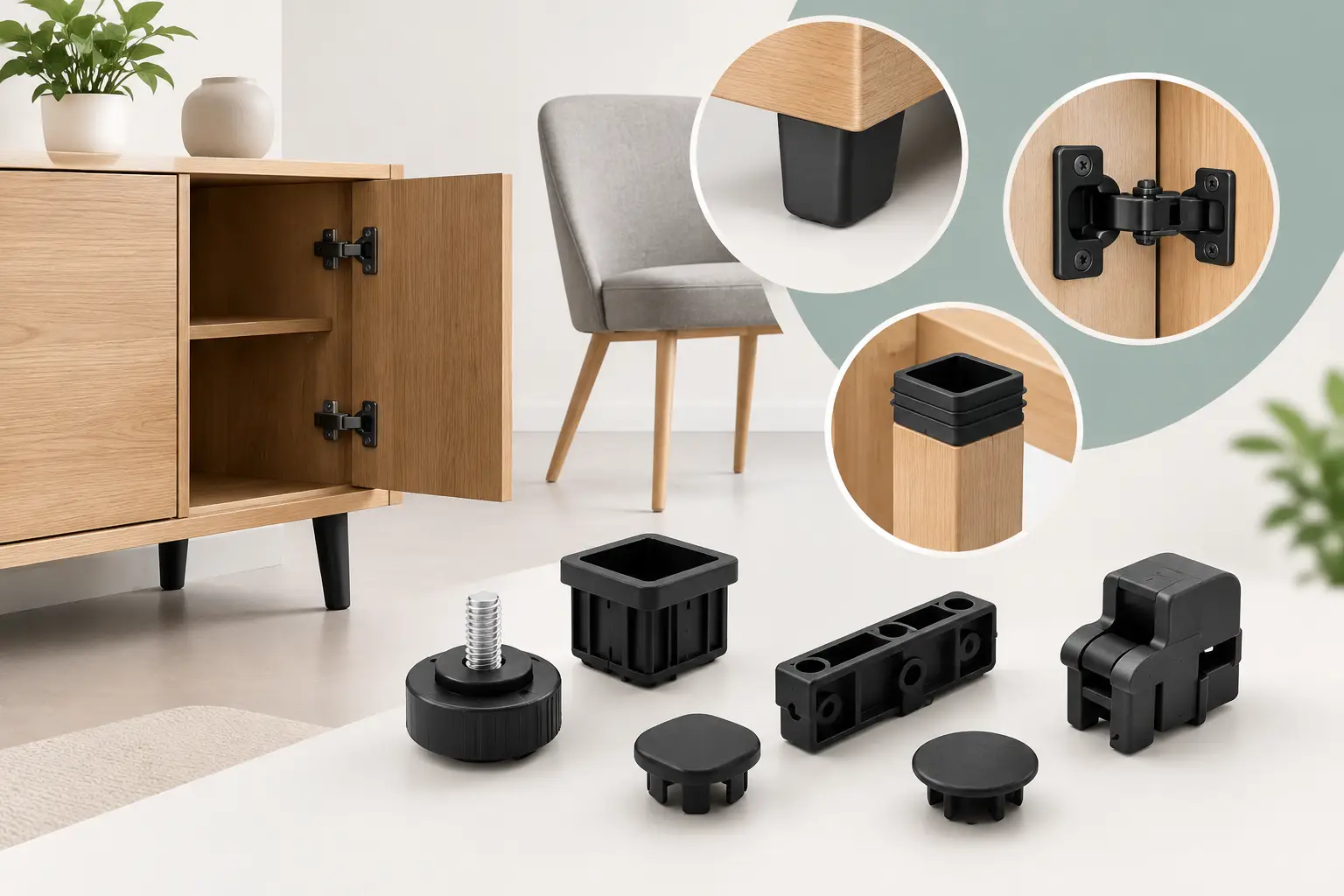
For precision parts, measurement strategy must match functional risk. A visible consumer component may require close control of color, gloss, and surface defects. A water meter component may require dimensional accuracy and leak-resistant assembly performance. An electrical housing may depend on material properties, wall thickness, and reliable fit around internal components. Each application needs quality criteria that reflect how the part will actually perform.
Future-ready manufacturers will increasingly use production data to prevent defects rather than sort them out after molding. But prevention still depends on a stable mold, a controlled process, and a team that understands the relationship between the two.
Automation Will Be Selective and Application-Driven
Manufacturers are expanding automation across injection molding, particularly in high-volume work where repeatability and labor stability directly drive costs. Robotic part removal protects cosmetic surfaces and reduces handling variation. Automated inspection identifies visible defects or confirms key dimensions. In-mold labeling, insert molding, and downstream assembly reduce human contact between processes.
Still, automation is not the right answer for every project. Low-volume production, frequent part changes, complex secondary operations, and highly variable components call for a different approach. The objective is not to automate for appearance, but to remove variability, improve throughput, protect quality, or reduce the total cost of production.
The same principle applies to secondary processing. Engineers should plan printing, assembly, ultrasonic welding, trimming, painting, packing, and labeling as part of the primary manufacturing route. Moving a part between multiple suppliers creates delays, added freight, inconsistent handling, and uncertainty when a defect appears. An integrated production partner manages those steps under one operating standard.
Materials Will Make Precision More Demanding
The drive toward lighter products, higher performance, recycled content, and specialized applications is increasing material complexity. Engineers are working with filled resins, engineering polymers, flame-retardant grades, reinforced compounds, and recycled or bio-based options. These materials can solve important product and sustainability requirements, but they can also change flow behavior, wear tooling faster, or narrow the acceptable processing window.
Recycled content is a clear example. It can support environmental targets, yet material consistency must be understood and controlled for precision applications. The answer is not to reject new material options. It is to validate them against part function, cosmetic expectations, mechanical performance, and production stability before they become a standard specification.
Material selection also affects tool design. Glass-filled resins may require attention to gate wear and mold steel selection. Hygroscopic materials require disciplined drying. High-temperature polymers may demand specialized temperature control. Treating resin as a purchasing detail instead of an engineering decision creates avoidable risk.
Supply Chain Reliability Is Part of Part Quality
A molded part is only useful when it arrives in the correct quantity, condition, and packaging configuration. As industrial supply chains remain exposed to transport delays, material volatility, and shifting demand, precision molding has expanded beyond dimensional control.
Customers increasingly need suppliers that can provide realistic lead times, protect production capacity, maintain molds properly, and coordinate packing and shipping without losing traceability. A manufacturer with in-house design, tooling, molding, finishing, and quality functions can resolve issues faster because the teams responsible for each stage are working within the same operation.
This integrated model is particularly valuable during a launch. A design adjustment can be reviewed by tooling, molding, and quality teams at the same time. Sampling can lead directly to modification rather than extended handoffs between suppliers. At Glasfil, this level of in-house control supports product realization from mold design through finished-part delivery, with the ability to modify tooling without waiting on an outside toolroom.
What Buyers Should Prioritize Now
The future of precision molding will favor suppliers that can make fast decisions without sacrificing process control. When evaluating a manufacturing partner, buyers should look beyond machine count or quoted piece price. The more useful indicators are the supplier’s ability to identify design risk, build and maintain molds, document quality, manage material behavior, and respond when a part requires change.
Ask how the mold will be validated, how critical dimensions will be inspected, and what happens when a production issue appears. Ask whether finishing and packing are managed under the same quality system. Ask who owns the technical response when a part does not perform as intended. Clear answers to these questions reveal far more than a brochure claim.
The manufacturers that will lead this field are not simply producing plastic parts faster. They are building controlled production systems around the part, the tool, the material, and the customer’s launch schedule. For companies bringing complex products to market, that is where precision becomes a competitive advantage rather than a specification on a drawing.
Ready to upgrade your cosmetic packaging? Contact us today to evaluate your design and run a trial with sustainable materials.