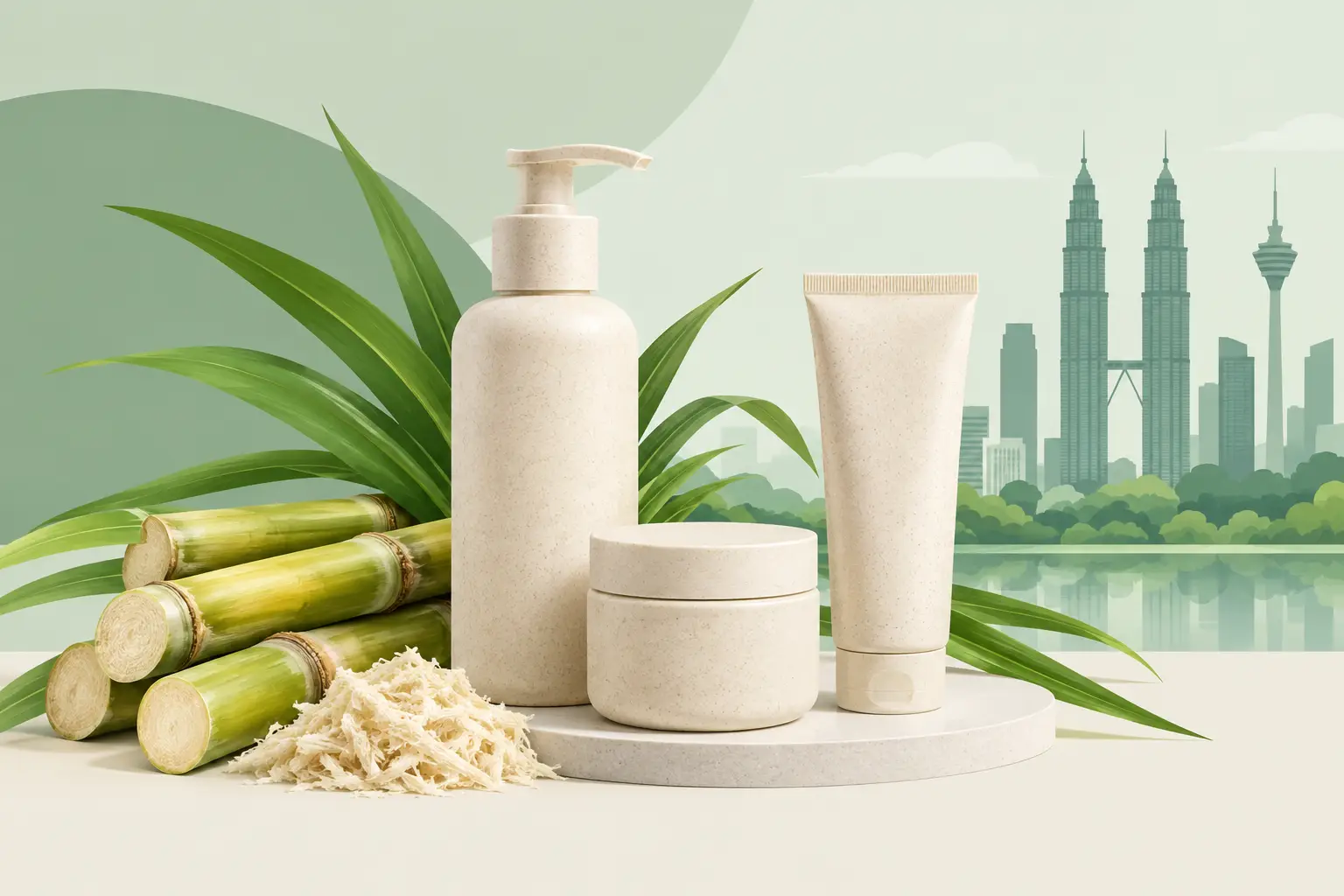
Bridging the Gap: How to Scale Sugarcane Bioplastic for Cosmetic Packaging
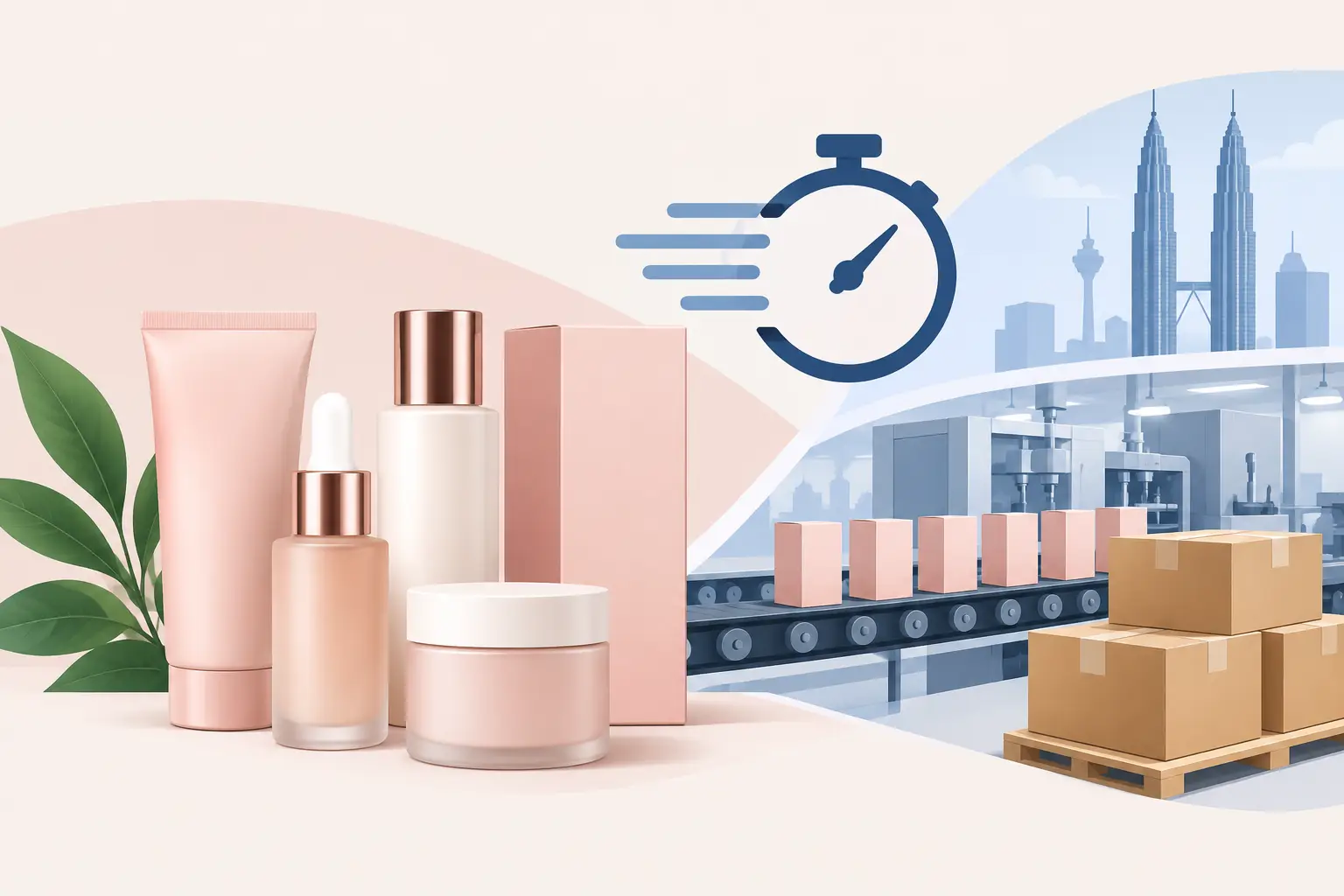
A sustainable packaging concept may look stunning on a presentation slide, but without precise manufacturing, it can easily fail on the production floor. From warped jar walls to leaking neck finishes, bioplastic packaging succeeds only when material selection, tooling, and quality control operate as a single connected system.
For cosmetic product developers, procurement teams, and beauty brands, moving from petroleum-based plastics to renewable bio-PE (sugarcane bioplastic) requires more than an eco-friendly claim—it demands end-to-end engineering.
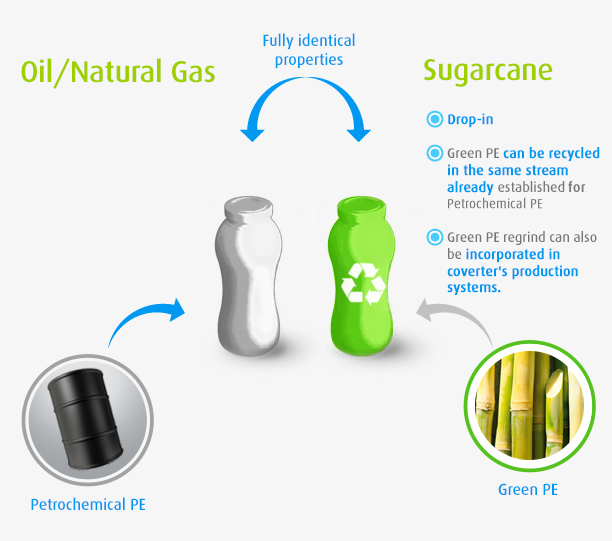
1. Match the Bio-Resin to the Packaging System Sugarcane-derived polyethylene (bio-PE) offers chemical equivalency to conventional PE, making it recyclable in standard streams without sacrificing moisture resistance. However, resin selection depends entirely on container geometry and process requirements:
-
Injection Molding: Essential for rigid skincare jars, caps, and closures requiring strict dimensional stability, perfect thread profiles, and zero leakage.
-
Blow Molding: Ideal for hollow cosmetic bottles (HDPE, PET) needing specific barrier properties, oil/alcohol resistance, or UV protection.
2. Precision Tooling Prevents Costly Production Fails Renewable feedstocks demand higher quality tooling to manage tight margins and high-volume outputs:
-
Shrinkage Control: Bio-PE grades shrink differently; molds engineered without validated shrinkage assumptions create thread misalignments and cap torque failures.
-
Thermal Management: Uneven mold cooling causes cosmetic surface warpage and inconsistent cycle times.
-
In-House Adaptation: Working with a supplier offering integrated mold design, tooling fabrication, and rapid adjustments reduces handoff delays during initial trials.
3. Process Validation & Defensible Eco-Claims
-
Strict Validation: Before full production, validate wall thickness, drop performance, stress cracking, and compatibility with formulation chemistry.
-
Accurate Marketing: Bio-PE is recyclable, not automatically compostable or biodegradable. Ensure brand claims mirror exact resin certifications to maintain regulatory compliance.
Partner with an End-to-End Cosmetic Packaging Expert
At Glasfil, we integrate custom mold design, precision tooling, and high-volume production under one roof to make your transition to sustainable bioplastics seamless.
Ready to scale your next eco-friendly cosmetic line? Contact us today with your 3D models and target specs to get a validated production plan.