 If you are evaluating production methods for a new plastic component, one question usually comes up early: what is plastic injection moulding used for, and when is it the right choice? The short answer is high-volume, repeatable production of plastic parts with tight tolerances, consistent quality, and low unit cost once tooling is in place. The more useful answer is that it is used anywhere a business needs reliable plastic components at scale, from automotive housings to electrical covers, bathroom accessories, furniture fittings, and utility parts.
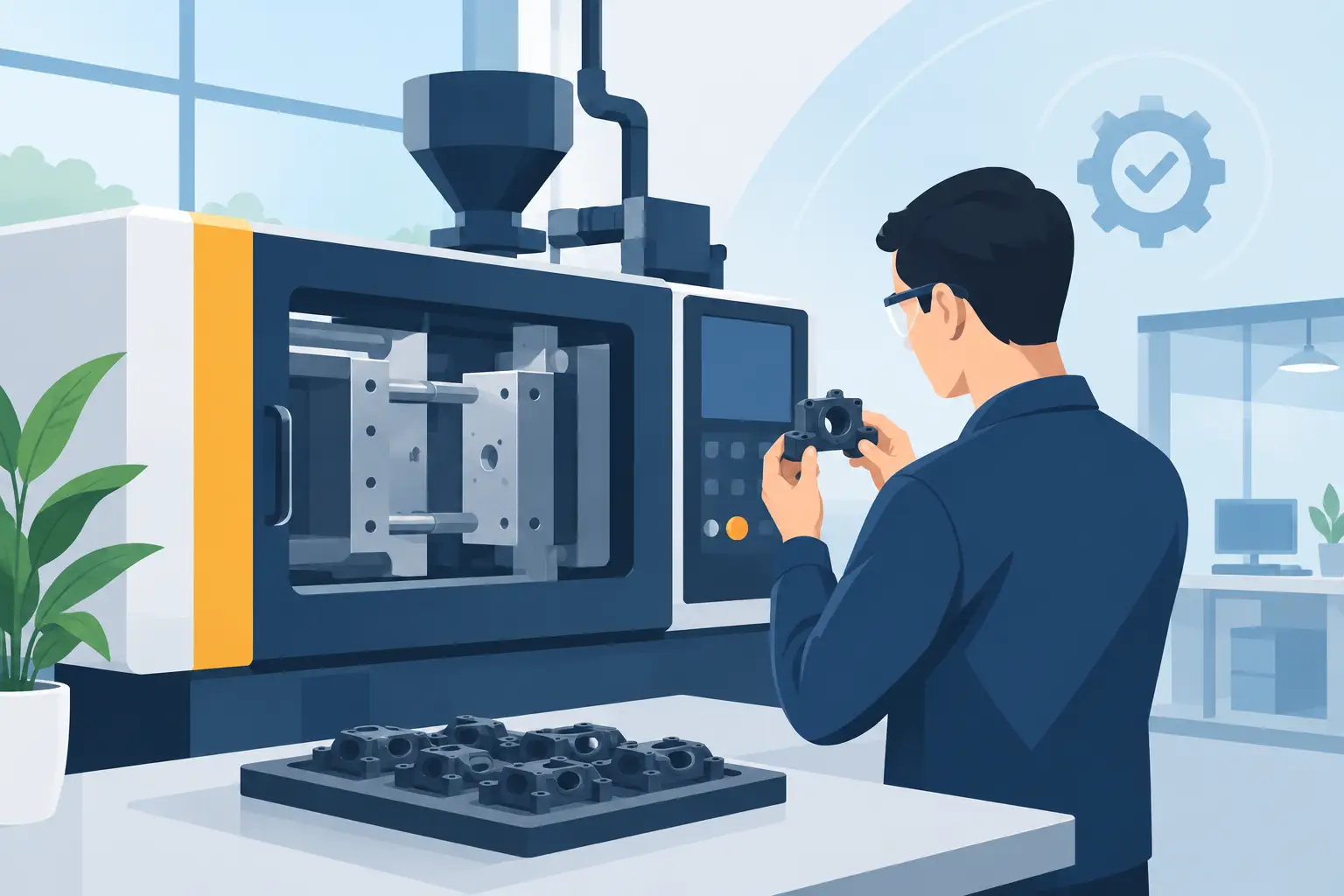
Injection moulding is not just a way to make plastic parts. It is a manufacturing system built around speed, repeatability, and process control. Molten plastic is injected into a precision tool, cooled, and ejected as a finished or near-finished part. When the mould is designed correctly, and the process is controlled in-house, the result is a stable production method that can support everything from pilot runs to long-term repeat orders.
What is plastic injection moulding used for in practice?
In practical manufacturing terms, plastic injection moulding is used for parts that need to be made in quantity without losing dimensional consistency from one cycle to the next. That includes simple items like caps, covers, clips, and brackets, as well as more technical parts such as enclosures, connectors, valve components, and internal assemblies.
For business buyers, the main appeal is not only the shape of the part. It is the ability to produce the same part thousands or millions of times with predictable performance. That matters when a component must fit into a larger assembly, meet functional requirements, and arrive on schedule without variation that creates rework or rejects.
This is why injection moulding is widely used in OEM manufacturing. It supports repeat production, engineered tolerances, material selection, cosmetic control, and integrated secondary operations. If your product depends on consistency, this process is usually worth serious consideration.
Industries where injection moulding is commonly used
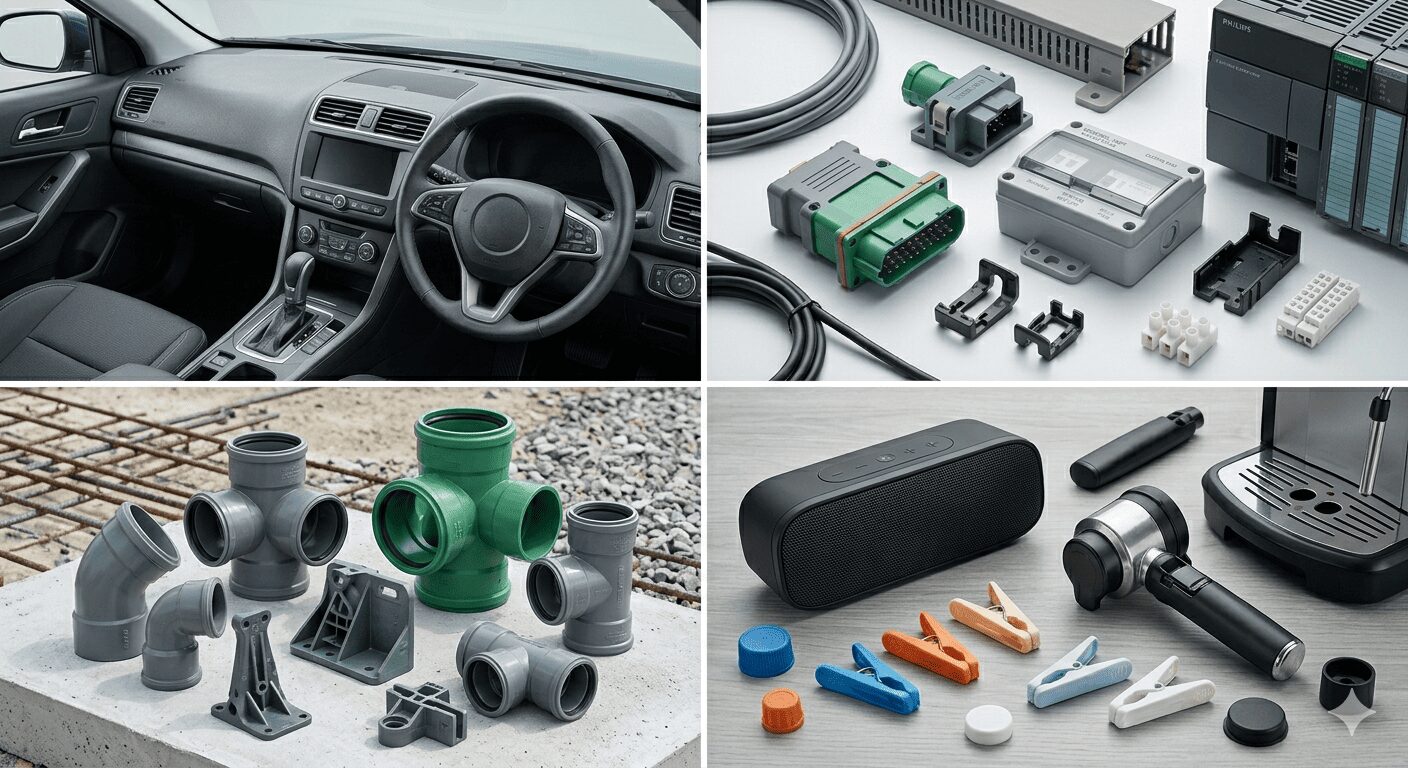
The process serves a wide range of sectors because plastic parts appear in more products than most people realize. In automotive applications, injection moulding is used for interior trim pieces, clips, covers, sensor housings, ducts, and under-the-hood components made from engineering-grade resins. These parts often require heat resistance, dimensional stability, and strong repeatability across large production volumes.
In electrical and electronic products, manufacturers use injection moulding for switch housings, terminal covers, cable management parts, control box components, and protective enclosures. Here, material behaviour matters as much as shape. Flame resistance, insulation properties, and long-term stability can all influence resin choice and mould design.
Construction products also rely heavily on injection moulding. Spacers, fixtures, fasteners, sealing components, mounting elements, and utility housings are often produced this way because the process can deliver durable parts in high quantities at a manageable unit cost. For projects tied to deadlines and repeat procurement, that consistency is a major advantage.
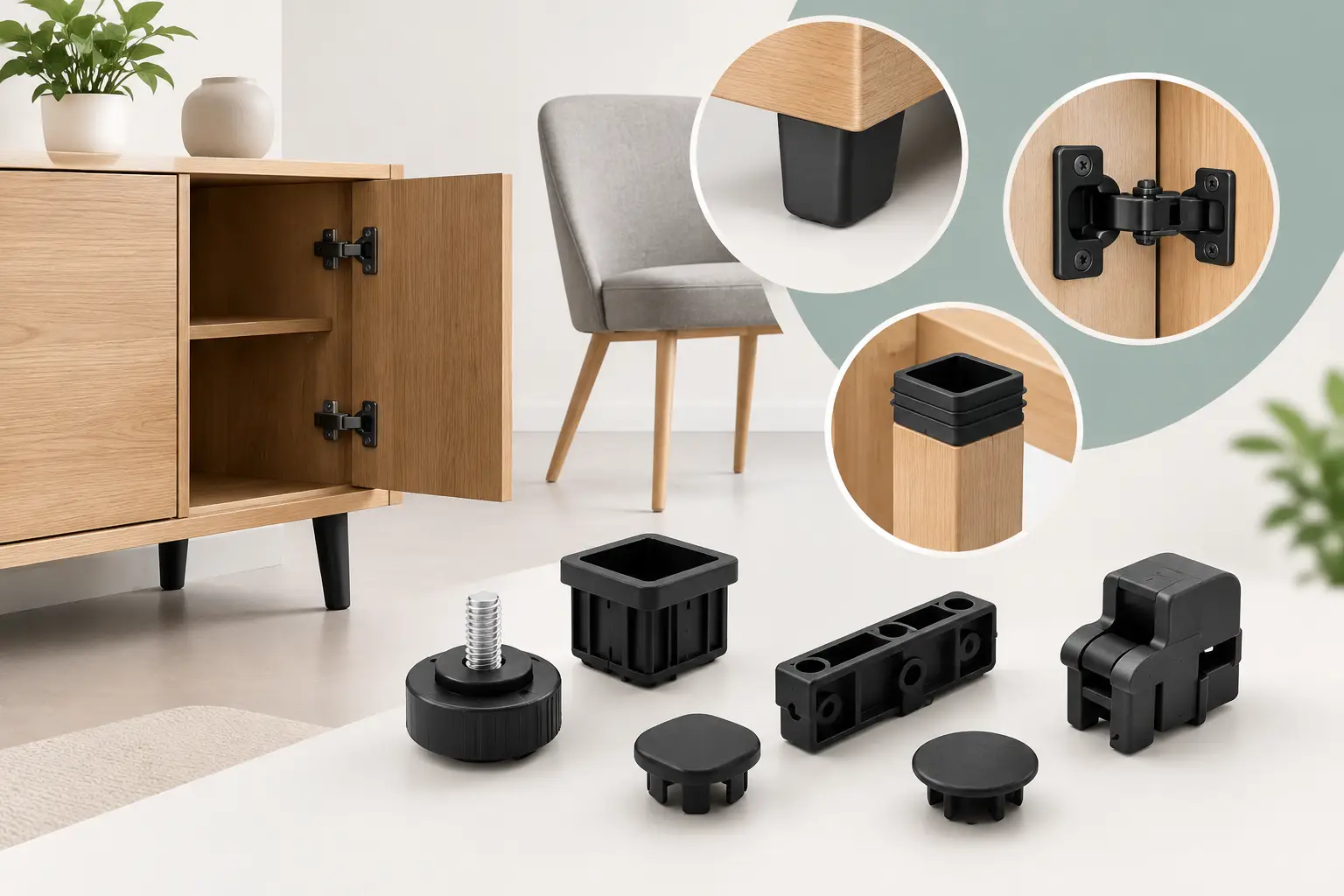
Furniture and consumer durables are another strong fit. Chair components, adjustment mechanisms, end caps, connectors, handles, and decorative functional parts are regularly injection moulded. These products often need a balance of appearance, strength, and price, which makes tooling quality and process control especially important.
In bathroom and sanitary applications, injection moulding is used for brackets, fittings, dispensers, accessory housings, and internal support parts. In these environments, resistance to moisture, cleaning agents, and wear can be as important as the visual finish.
Utility-related products, including water meter components and protective housings, also benefit from the process. These parts may need precise sealing surfaces, stable dimensions, and dependable resin performance over long service periods.
Why businesses choose injection moulding
The strongest reason is usually economics over volume. Tooling requires up-front investment, but once the mould is built and validated, the cost per part drops significantly compared with slower or more manual methods. For a company planning repeat runs, the economics can become very favorable.
The second reason is consistency. A well-built mould and a controlled process create parts with predictable dimensions, repeatable weight, and stable surface quality. That reduces downstream issues in assembly, packing, and field performance.
Speed is another major factor. Once production starts, cycle times are short, and output can scale quickly across multiple machines if demand increases. For OEMs and procurement teams managing launches or replenishment schedules, production efficiency matters.
Design flexibility also plays a role. Injection moulding can produce complex geometries, integrated features, living hinges, snap fits, ribs, bosses, and textured surfaces in a single part. That often allows engineering teams to reduce assembly steps or replace multiple components with one molded piece.
What kinds of parts are best suited to the process?
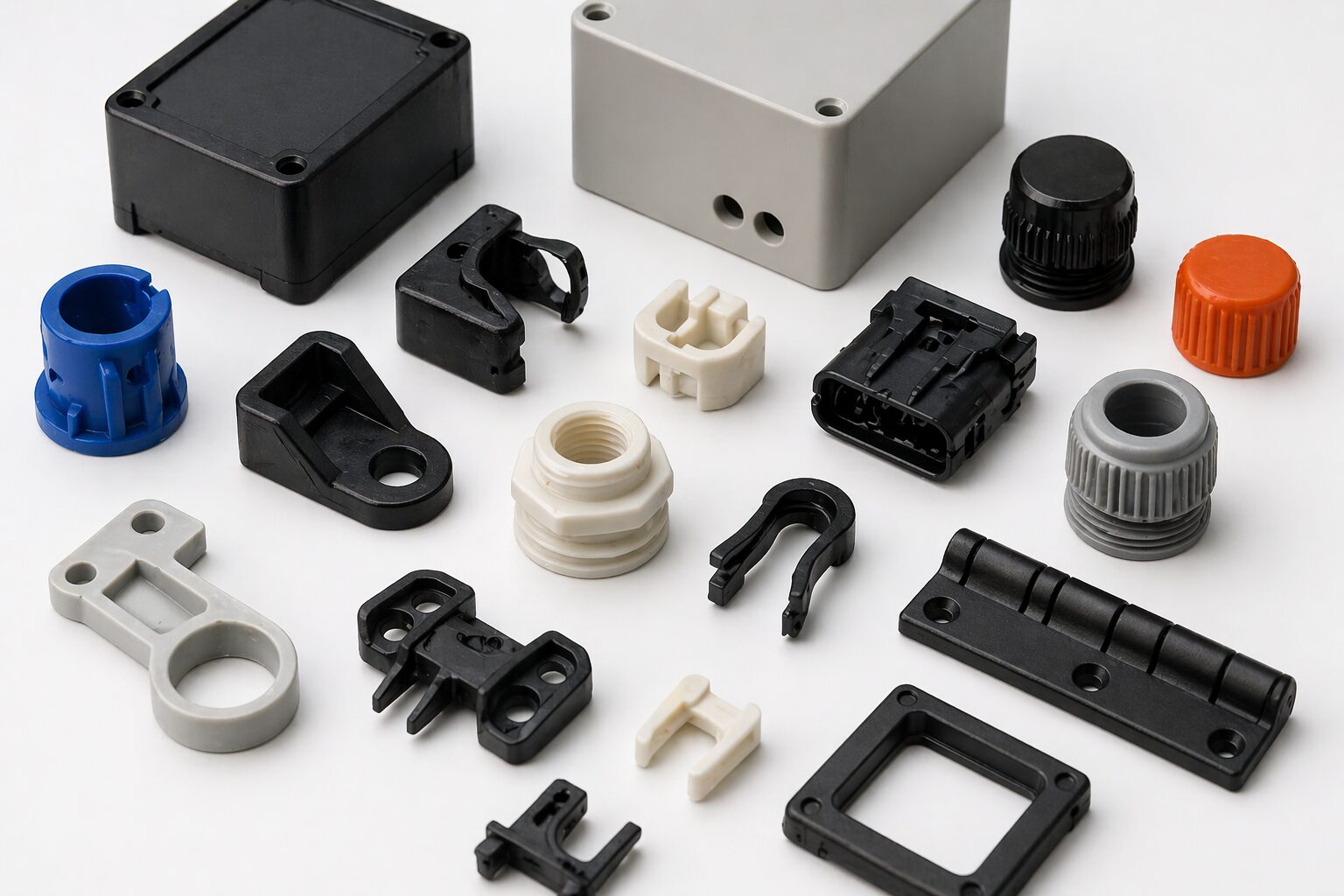 The best candidates are parts that will be ordered repeatedly and need reliable dimensional control. Small technical components, medium-sized housings, and high-volume functional parts are all common examples. The process works particularly well when a part has features that would be expensive to machine individually or inconsistent to produce through manual fabrication.
That said, not every plastic part should be injection moulded. If annual demand is low, the tooling cost may not make commercial sense. If the design is still changing every few weeks, building a production mould too early can create avoidable rework. For very large parts, unusual geometries, or highly customized one-off items, other processes may be more practical.
This is where engineering support becomes valuable. The real question is not whether a part can be injection moulded. It is whether the part should be injection moulded now, at the forecast volume, with the required lead time, material, and quality standard.
What is plastic injection moulding used for beyond basic part production?
Many buyers first think of injection moulding as a single production step. In reality, it often supports a much broader manufacturing objective. It can be used to industrialize a product design, improve an existing part that is failing in the field, replace a discontinued component, or consolidate a supply chain by moving tooling, moulding, finishing, and packing under one manufacturer.
It is also frequently used to improve part performance. A redesign of wall thickness, gate location, resin grade, or tool construction can solve recurring quality problems such as warpage, sink marks, short shots, flash, or assembly fit issues. In that sense, injection moulding is not only about output volume. It is a method for stabilizing product quality and production reliability.
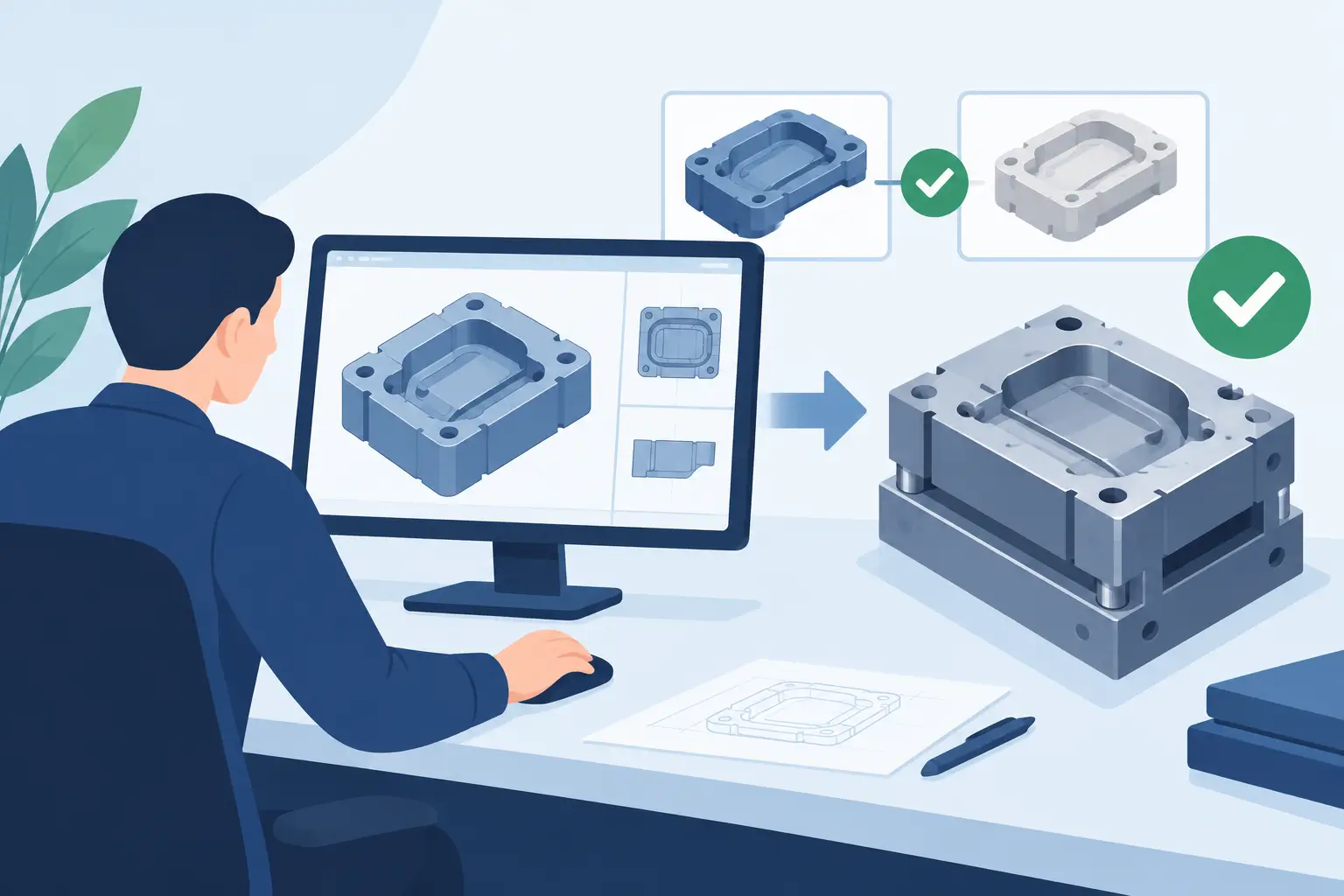
For companies bringing a new product to market, the process also creates a path from concept to repeatable commercial production. That path usually includes design refinement, mould fabrication, trials, first-off validation, adjustments, full production, and if needed, secondary processing such as trimming, assembly, printing, finishing, or custom packing.
The trade-offs buyers should consider
 Injection moulding is highly efficient, but it rewards preparation. Tooling quality has a direct effect on part quality, cycle stability, and maintenance demands. A lower-cost mould may look attractive at the start, yet create long-term production problems that cost more through scrap, downtime, and corrections.
Lead time is another factor. While production itself is fast, the mould has to be designed, machined, assembled, and tested first. For urgent projects, in-house tooling control can make a major difference because modifications and repairs do not have to wait on third parties.
Material selection also affects results. Commodity resins may be sufficient for simple parts, but technical applications often call for engineering plastics with specific thermal, mechanical, or chemical resistance properties. That decision influences mold design, processing conditions, and final cost.
Volume forecasts should be realistic as well. If demand is uncertain, buyers should think carefully about whether to start with a simpler tool strategy, a staged ramp-up plan, or a design review before committing to full production tooling.
What a good injection moulding partner should help you solve
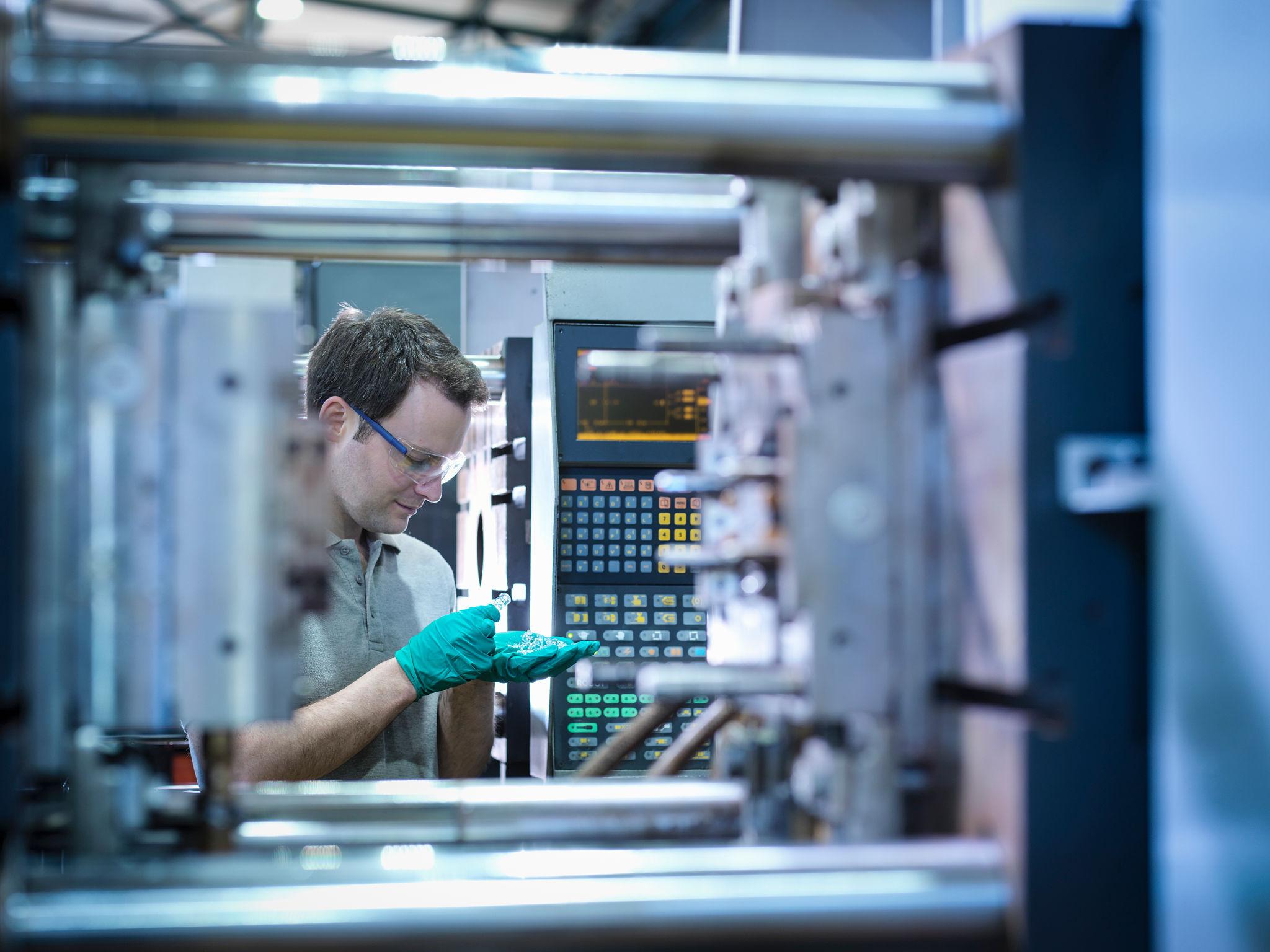 A capable supplier should do more than quote a part. They should assess whether the design is manufacturable, whether the resin fits the application, whether the tool will support the expected volume, and whether the total process can be controlled from start to finish.
That matters because many production issues start upstream. Poor draft angles, inconsistent wall sections, weak shutoffs, or overlooked assembly requirements can become expensive once a tool is cut. A manufacturing partner with in-house mould design, mould modification capability, production capacity, and quality assurance can solve those issues earlier and keep projects moving.
For companies that need a one-stop manufacturing setup, this integrated model reduces delays between toolmaking, sampling, production, secondary operations, and shipment. Glasfil works in exactly this way, giving customers tighter control over timing, quality, and technical changes without splitting responsibility across multiple vendors.
Plastic injection moulding is used for far more than making plastic shapes. It is used to create repeatable, cost-effective, production-ready parts that fit real commercial demands – quality targets, volume schedules, assembly performance, and delivery commitments. If your component needs to be made accurately, repeatedly, and at scale, this process is often where serious manufacturing begins.
Ready to Evaluate Injection Moulding for Your Next Project?
If you are assessing whether plastic injection moulding is the right fit for your component, the best next step is a practical review of your design, volume, and application requirements.
At Glasfil, we work with OEMs and product teams to turn concepts into stable, production-ready parts. From design-for-manufacturing feedback and material selection to in-house tooling, sampling, and full-scale production, we help you reduce risk and move forward with confidence.
Contact us to discuss your project, request a quotation, or arrange a technical consultation. Our team will help you determine the most cost-effective and reliable way to manufacture your part.