 If you are sourcing a custom plastic part, one question shapes almost every decision that follows: what is plastic injection moulding machine technology, and what does it actually do for your product? The short answer is that it is the production system used to melt plastic resin, inject it into a precision mould, and repeat that cycle at scale with controlled speed, pressure, and consistency. The longer answer matters more because machine capability directly affects part quality, tooling life, production cost, and lead time.
For buyers, engineers, and OEM teams, the machine is not just a piece of factory equipment. It is the centre of the moulding process. A well-matched machine helps deliver repeatable dimensions, stable cosmetic quality, and predictable output. A poorly matched one can create flash, sink marks, short shots, warpage, unnecessary scrap, and delays that spread across the supply chain.
What is a plastic injection moulding machine?
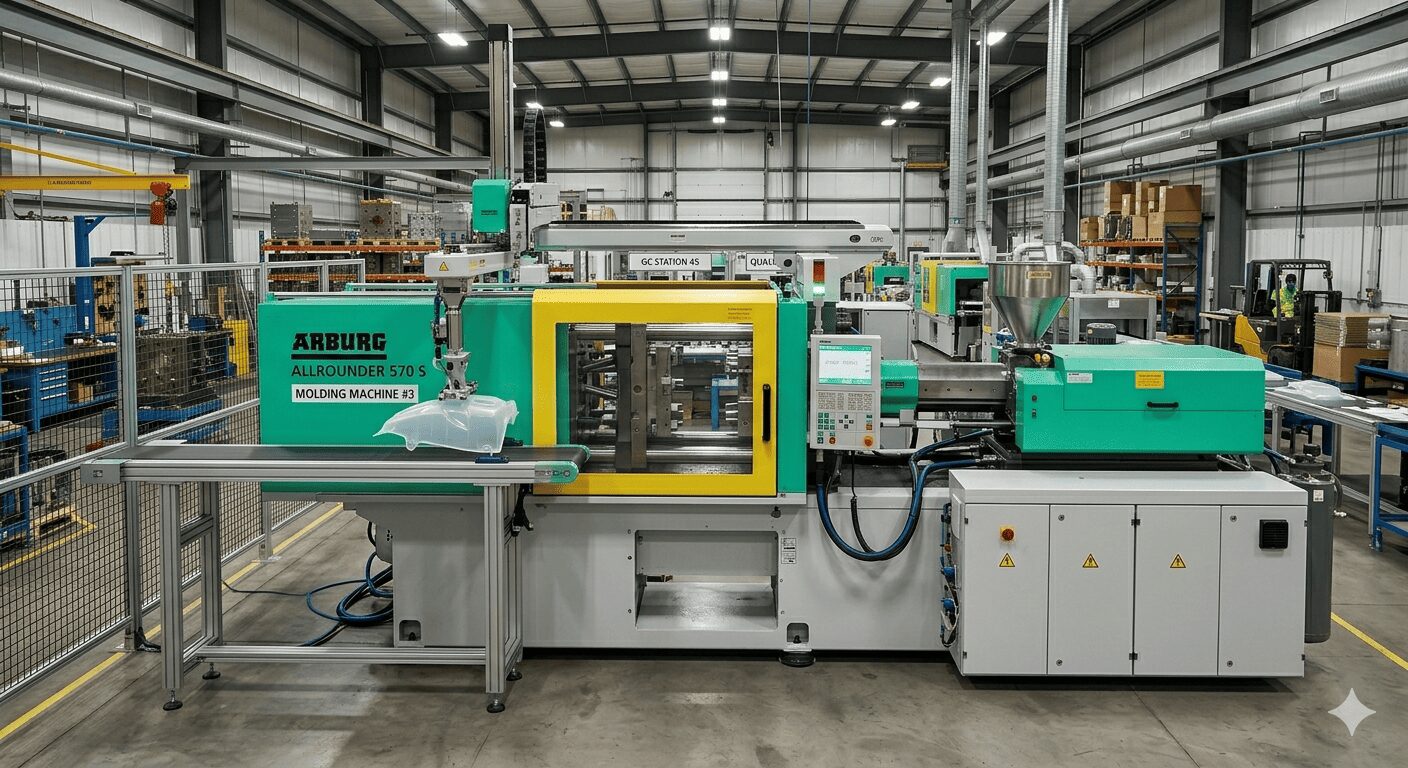
A plastic injection moulding machine is an industrial machine that converts raw plastic material, usually in pellet form, into finished parts by heating the material until it flows and then forcing it into a mould cavity under pressure. Once the plastic cools and solidifies, the mould opens, the part is ejected, and the cycle begins again.
That basic description sounds simple, but production performance depends on a controlled relationship between the machine, the mould, the material, and the part design. The machine provides the force, heat, pressure, and repeatability. The mould provides the shape and critical tolerances. The resin determines processing behaviour and end-use performance. The part design decides how forgiving or demanding the entire process will be.
In practical terms, the machine is what allows a manufacturer to produce thousands or millions of identical plastic components with a high level of consistency. That is why injection moulding is widely used for automotive parts, electrical housings, consumer products, construction components, bathroom accessories, furniture fittings, and utility products.
How the machine works in production
The process starts when plastic pellets are fed from a hopper into a heated barrel. Inside the barrel, a reciprocating screw rotates and moves the material forward. As the resin travels along the screw, it is heated by both barrel heaters and friction. The material becomes molten and collects in front of the screw.
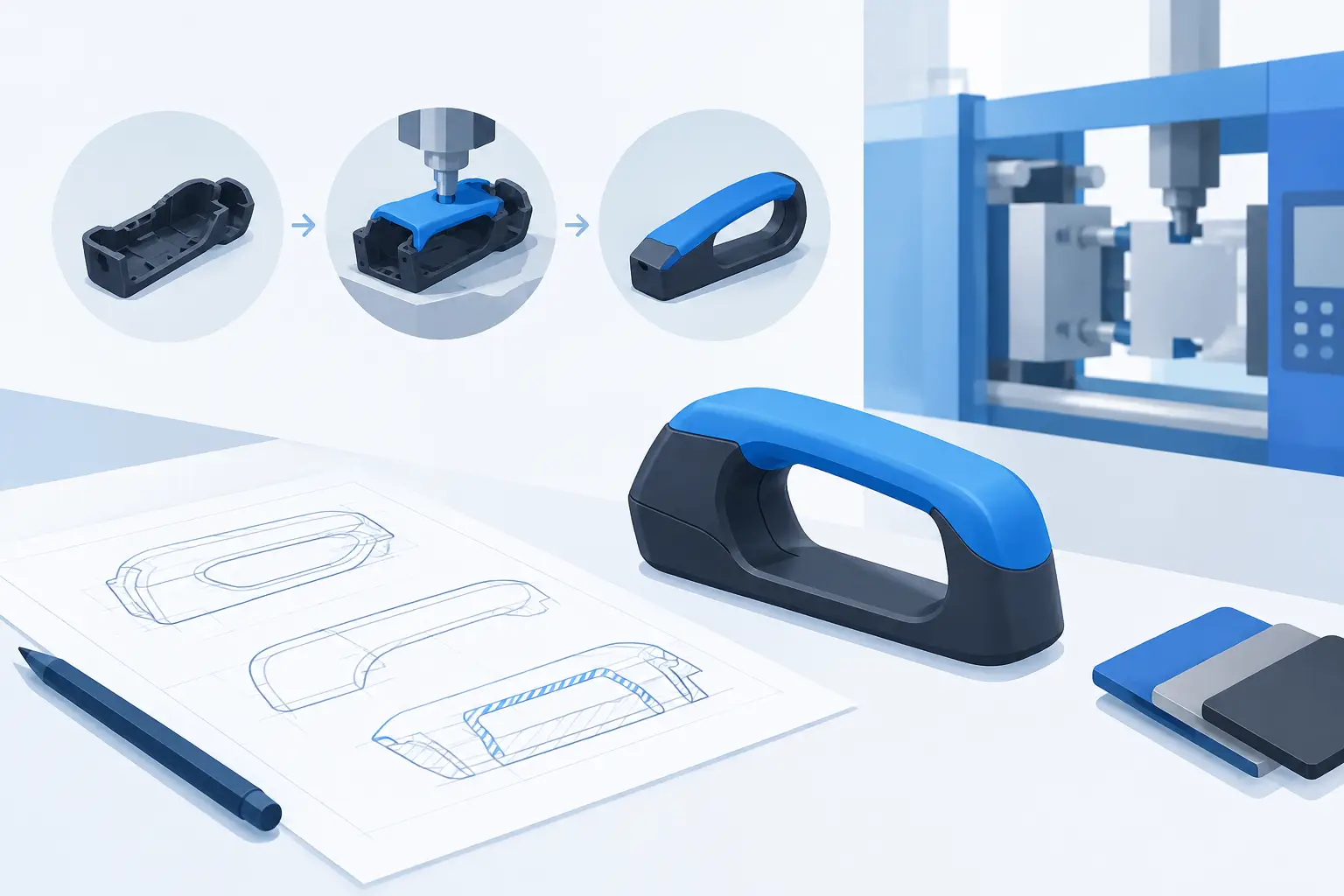
Once enough shot volume is prepared, the mould closes under clamping force. The screw then moves forward like a plunger, injecting the molten plastic through the nozzle, into the runner system, and into the mould cavity. Pressure is maintained during the packing phase to compensate for material shrinkage as the part begins to cool.
After cooling, the mould opens, and the machine ejects the part. The cycle then repeats. Depending on the part size, wall thickness, resin type, and mould design, a cycle may take a few seconds or significantly longer.
This is where machine quality becomes operationally important. Stable injection pressure, controlled screw recovery, accurate temperature zones, and reliable clamp movement all influence whether each cycle produces an acceptable part. For high-volume manufacturing, even small instability can become a major cost issue.
The main parts of a plastic injection moulding machine
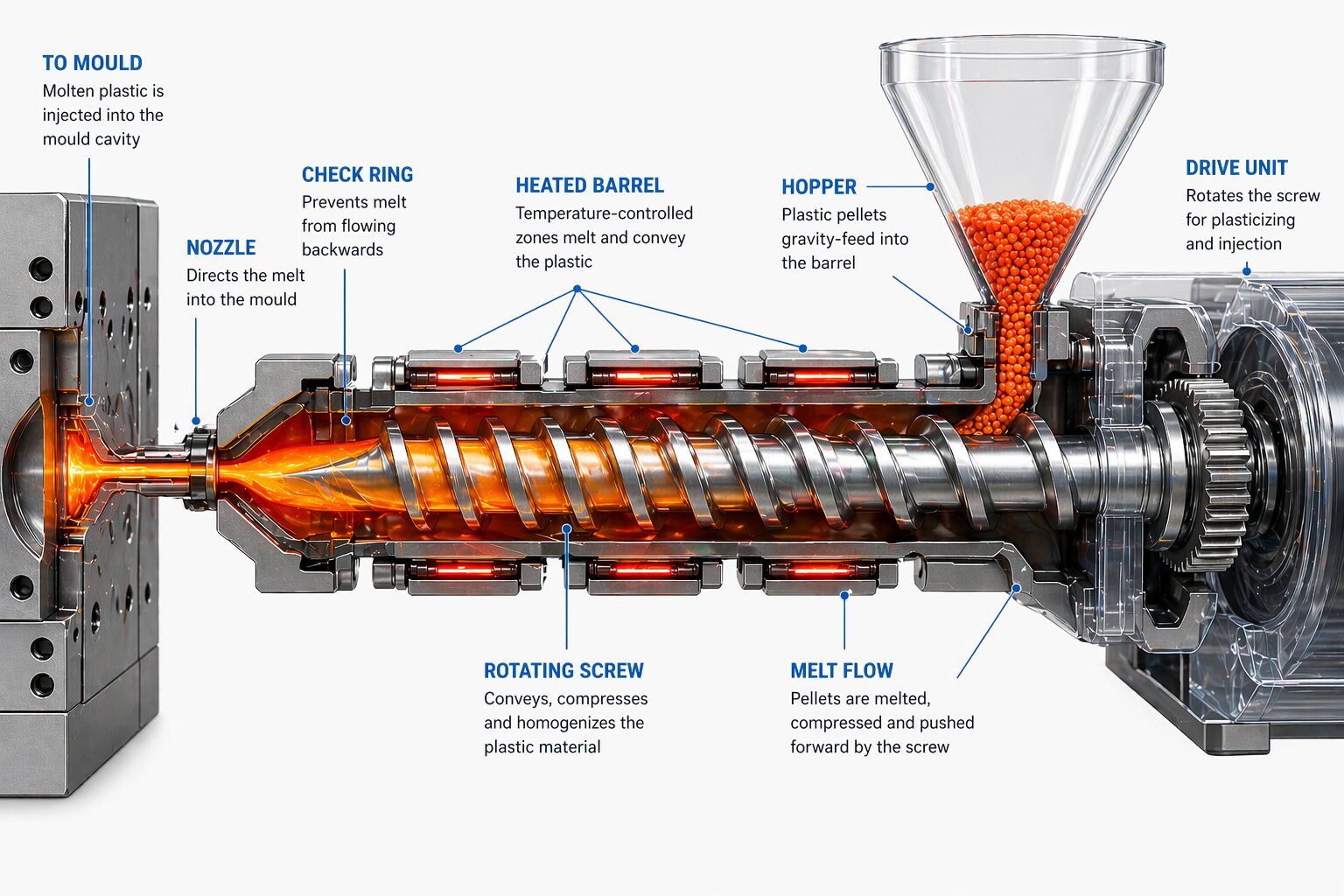
When buyers ask what plastic injection moulding machine capability is, they usually mean more than the name of the equipment. They want to understand what parts of the machine influence results.
The injection unit is responsible for melting and injecting the plastic. It includes the hopper, barrel, heaters, screw, and nozzle. This section determines how consistently the material is plasticised and delivered to the mould.
The clamping unit opens and closes the mould and keeps it shut during injection. This matters because molten plastic enters the cavity under high pressure. If the clamp force is too low for the application, the mould may separate slightly and create flash or dimensional variation.
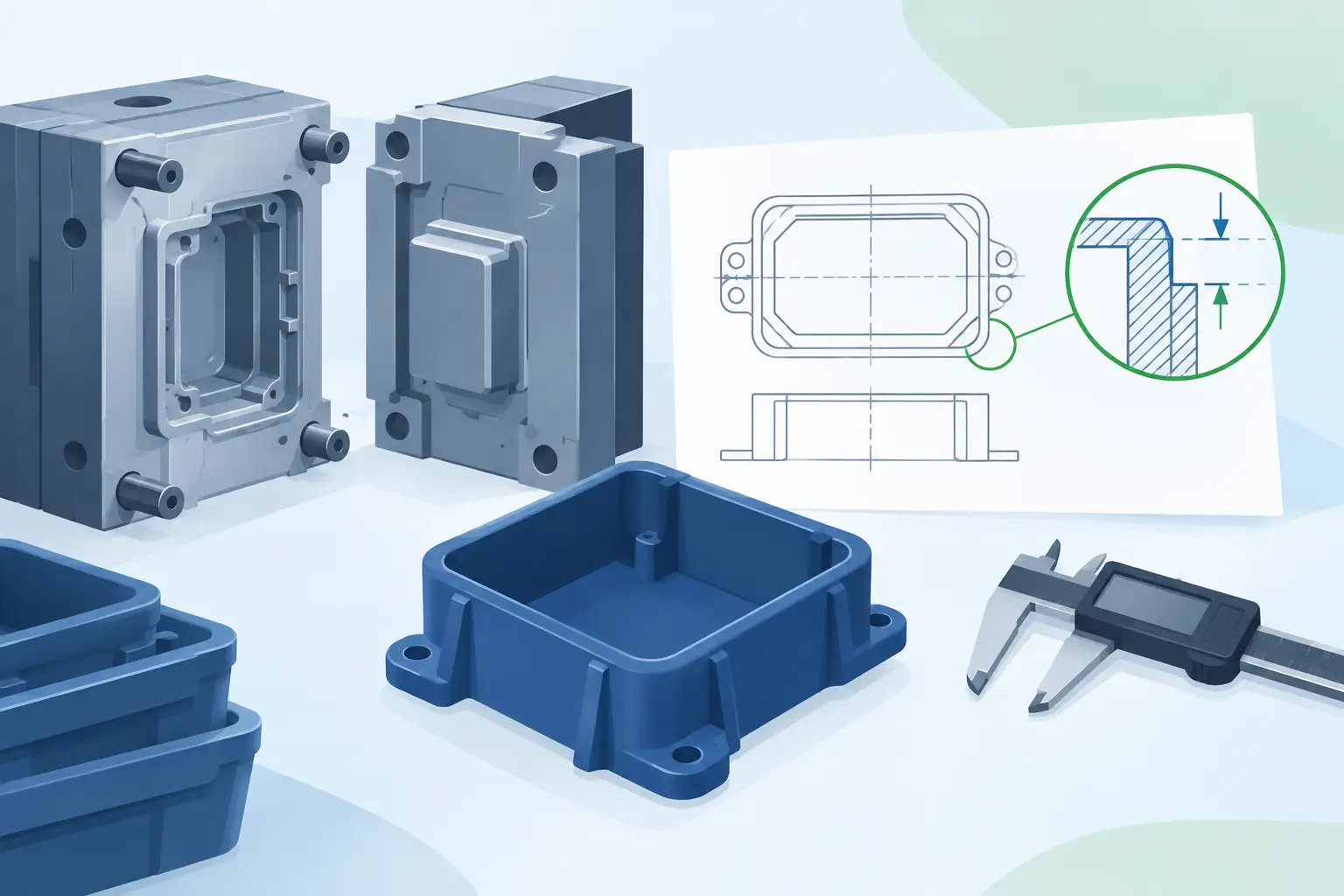
The mould itself is not part of the machine body, but it is part of the system. It contains the cavities, cooling channels, gating, ejection, and all the precision surfaces that define the final part. Even a high-quality machine cannot compensate for a poorly built or poorly maintained mould.
The control system manages cycle parameters such as temperature, injection speed, holding pressure, back pressure, clamp movement, and cooling time. In modern manufacturing, process control is where repeatability is won or lost.
Why machine size and tonnage matter
One of the first technical filters in any project is machine size. This is often discussed in terms of clamping force, measured in tons. The right tonnage depends on part geometry, projected area, material behaviour, and cavity count.
A machine that is too small may not generate enough clamp force or shot capacity. A machine that is too large may still run the part, but not always efficiently. Oversizing can increase operating cost, make process optimisation harder, and reduce overall production efficiency.
Shot size also matters. The machine must be able to inject the required material volume consistently without pushing the screw to an inefficient operating range. For tight-tolerance or cosmetic parts, the operating window can be narrower than many buyers expect.
This is why experienced manufacturers review the part, the resin, the mould layout, and the production volume together before assigning a press. Machine selection is not just about whether the mould physically fits. It is about whether the process can run reliably over time.
What types of plastic injection moulding machines are used?
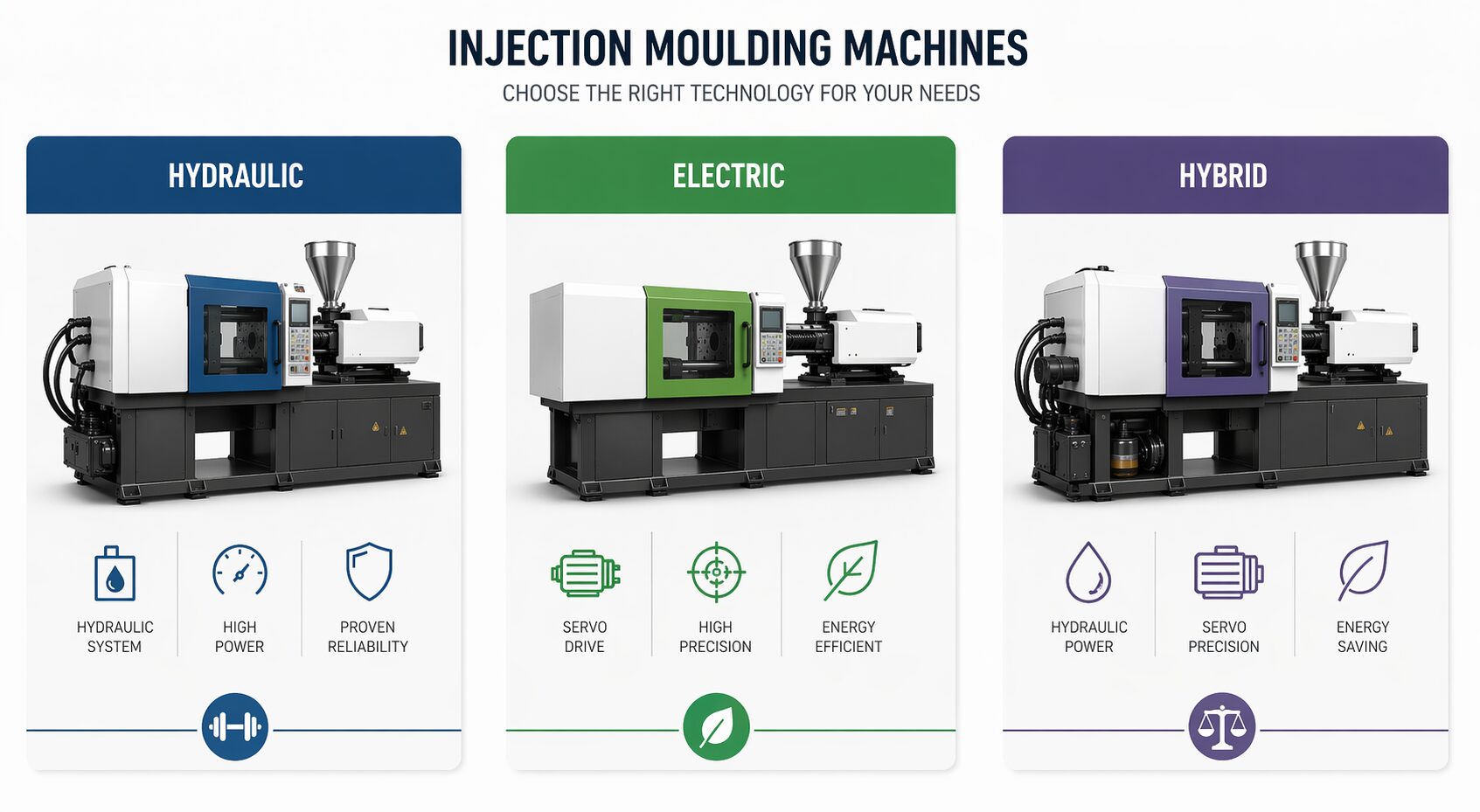
The most common categories are hydraulic, electric, and hybrid machines.
Hydraulic machines are widely used for their power and versatility, especially in demanding applications and larger tonnage ranges. They are often a practical choice for many industrial parts, though energy consumption can be higher than with fully electric equipment.
Electric machines offer excellent precision, repeatability, and energy efficiency. They are often preferred for high-speed cycles, clean production environments, and parts with strict consistency requirements. The trade-off is that machine selection depends heavily on application needs and investment priorities.
Hybrid machines combine characteristics of both systems. They can offer a balance of control, force, and efficiency, depending on configuration.
There is no universal best option. It depends on the part, the material, the tolerance requirements, the production volume, and the cost target.
Why does the machine affect part quality?
For procurement teams, injection moulding can look straightforward once the tool is built. In reality, machine stability is one of the reasons some suppliers deliver repeatable quality, and others struggle with variation.
Injection speed affects fill pattern and surface appearance. Holding pressure affects shrinkage and dimensional stability. Clamp force affects flash control. Barrel temperature affects flow behaviour and material degradation risk. Cooling consistency affects cycle time and warpage.
These are not isolated variables. They interact. A thin-wall component in a glass-filled resin behaves very differently from a thicker cosmetic part in polypropylene. The same machine can run both, but not with the same setup strategy.
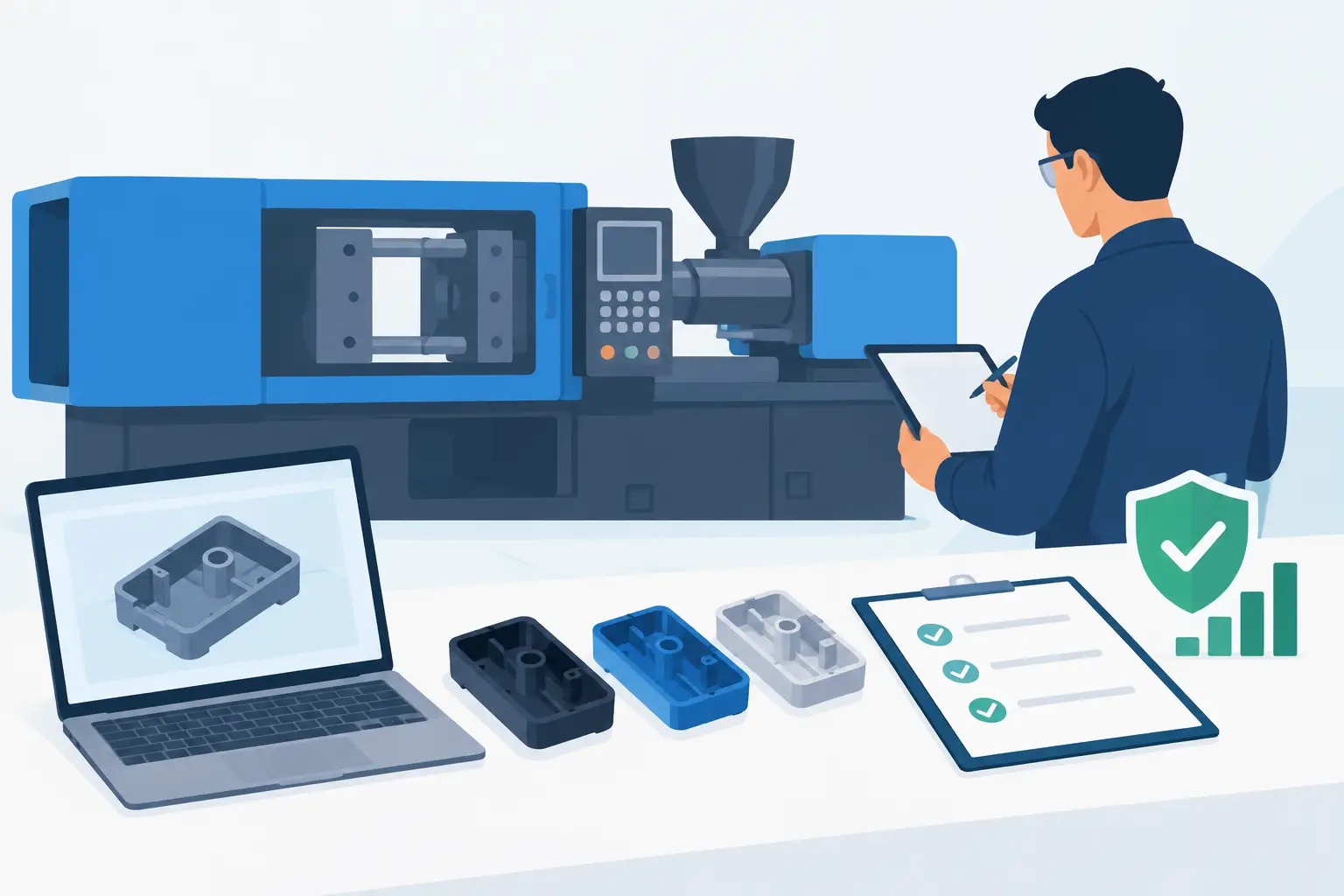
That is why in-house engineering control matters. A supplier with tooling, moulding, and quality under one roof can identify whether a defect is caused by the mould, the machine settings, the material lot, or the part design itself. That shortens problem-solving time and protects launch schedules.
What buyers should ask before choosing a supplier?
Understanding what plastic injection moulding machine performance is is one thing. Evaluating whether a supplier can apply it correctly is another.
Ask how machine capacity aligns with your part size and annual volume. Ask whether tooling, mould modifications, and maintenance are handled in-house or outsourced. Ask how process parameters are controlled and documented. Ask what secondary operations are available if your project needs assembly, printing, finishing, or specialised packing.
You should also ask how quickly issues can be corrected. If a design refinement is needed after sampling, in-house mould modification can save significant time compared with a fragmented supply chain. For companies managing product launches or replacement-part programs, that speed can be more valuable than a small piece-price difference.
A capable manufacturing partner does more than run a press. The right team can review manufacturability early, prevent avoidable tooling risks, and match the mould and machine to the commercial target. That is where a full-service supplier such as Glasfil creates value – not only by moulding parts, but by controlling the stages around moulding that affect speed, quality, and output.
Where injection moulding machines fit in modern manufacturing
Plastic injection moulding machines remain one of the most efficient production systems for custom plastic parts because they combine repeatability with scale. Once the mould is proven and the process is stable, the cost per part becomes highly competitive, especially for medium- to high-volume production.
Still, not every project belongs in injection moulding. If annual demand is very low, if part geometry changes constantly, or if tooling investment cannot be justified, another process may make more sense. But when a product needs reliable repeat production, consistent quality, and a controlled path from tool build to shipment, injection moulding is usually the right manufacturing route.
The useful way to think about the machine is simple: it is not just the equipment that shapes plastic. It is the platform that turns a design into repeatable commercial output. Choose the machine, the mould, and the manufacturing partner with that in mind, and the production process becomes much easier to trust.
Ready to Turn Your Design Into Production-Ready Parts?
If you’re evaluating plastic injection moulding for your next project, the right machine, tooling strategy, and manufacturing partner can make all the difference. At Glasfil, we work closely with our customers to match part design, material selection, and machine capability for consistent quality and efficient production.
Whether you are at the concept stage or preparing for full-scale manufacturing, our team can support you with design review, tooling development, and reliable moulding solutions.
Contact us today to discuss your project requirements or request a quotation. Let’s build a production process you can depend on.