When a part needs to move from drawing to production, the injection moulding vs CNC machining decision usually comes down to one hard question: are you optimising for development speed, or for repeatable volume at the right unit cost? For product teams, buyers, and OEMs, that choice affects tooling budget, lead time, quality consistency, and how quickly a program can scale without disruption.
Both processes are valuable. Both can produce high-quality parts. But they solve different manufacturing problems, and selecting the wrong one often shows up later as avoidable cost, delayed launches, or parts that are technically acceptable but commercially inefficient.
Injection moulding vs CNC machining: the core difference
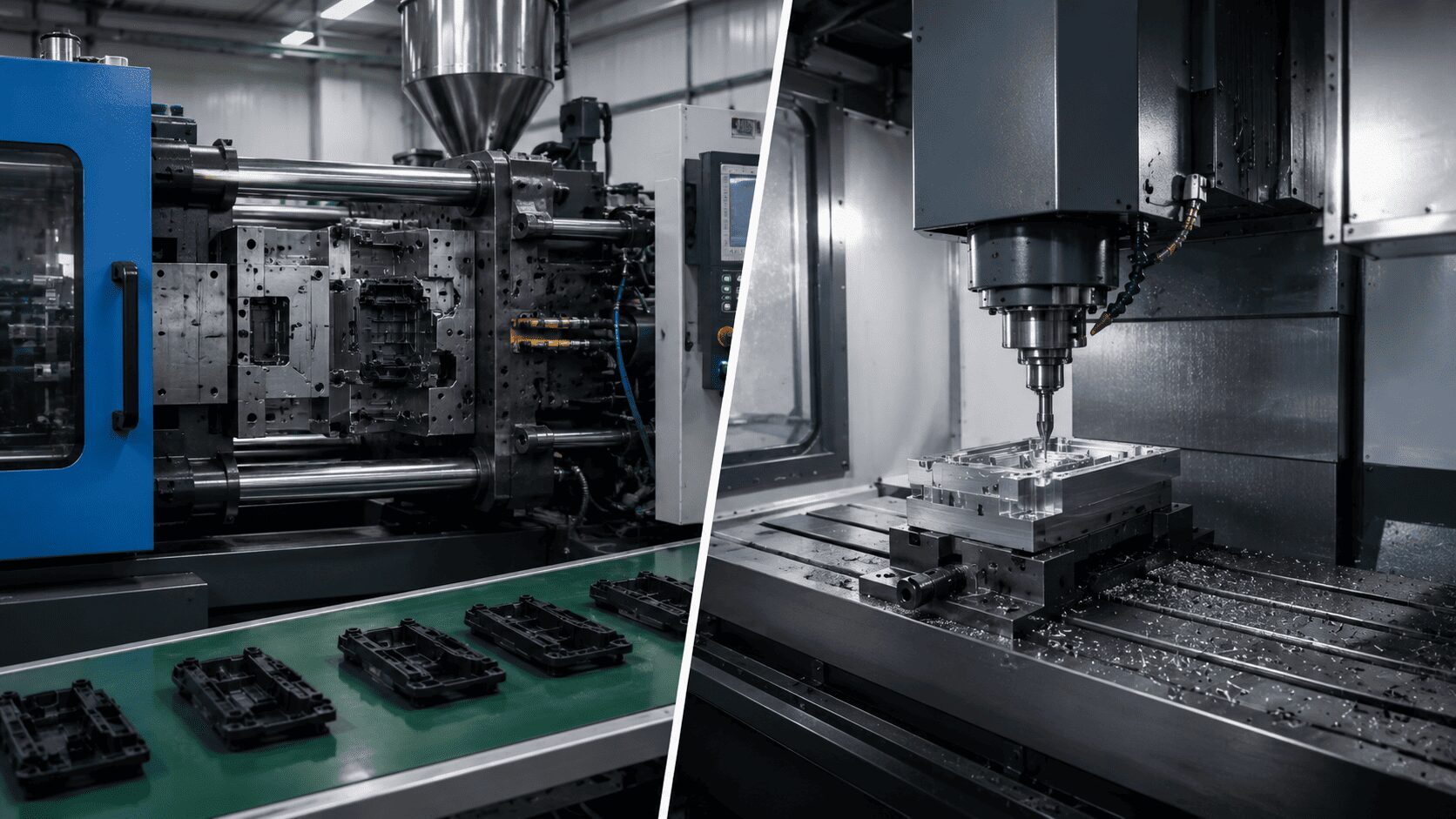
CNC machining is a subtractive process. A machine starts with solid stock and removes material to create the final geometry. It is commonly used for metals, engineering plastics, fixtures, prototypes, and lower-volume components where flexibility matters more than ultra-low piece pricing.
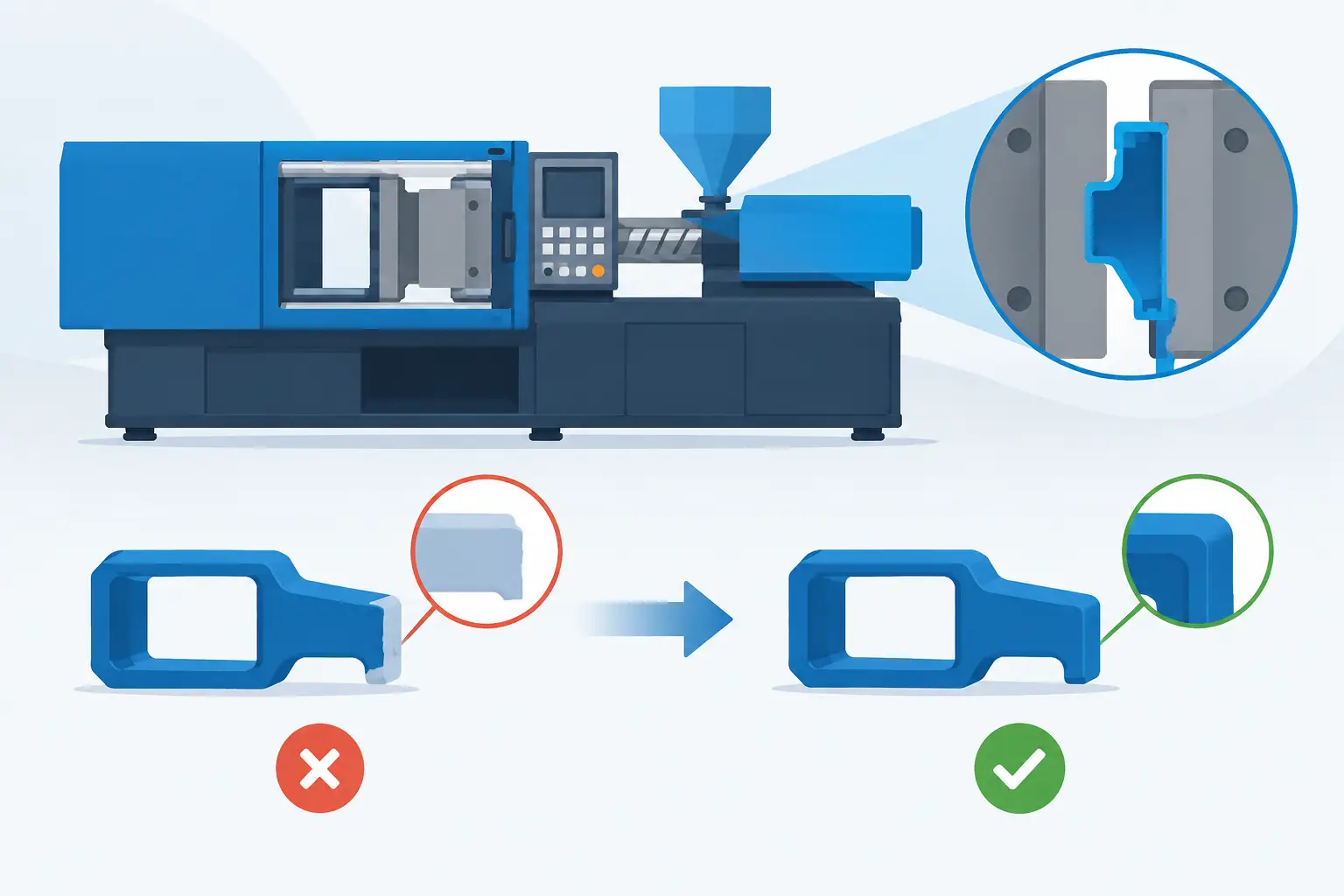
Injection moulding is a forming process. Molten plastic is injected into a precision tool, cooled, and ejected as a finished part. Once the mould is built and validated, the process is designed for repeat production, stable dimensions, and efficient output across medium to high volumes.
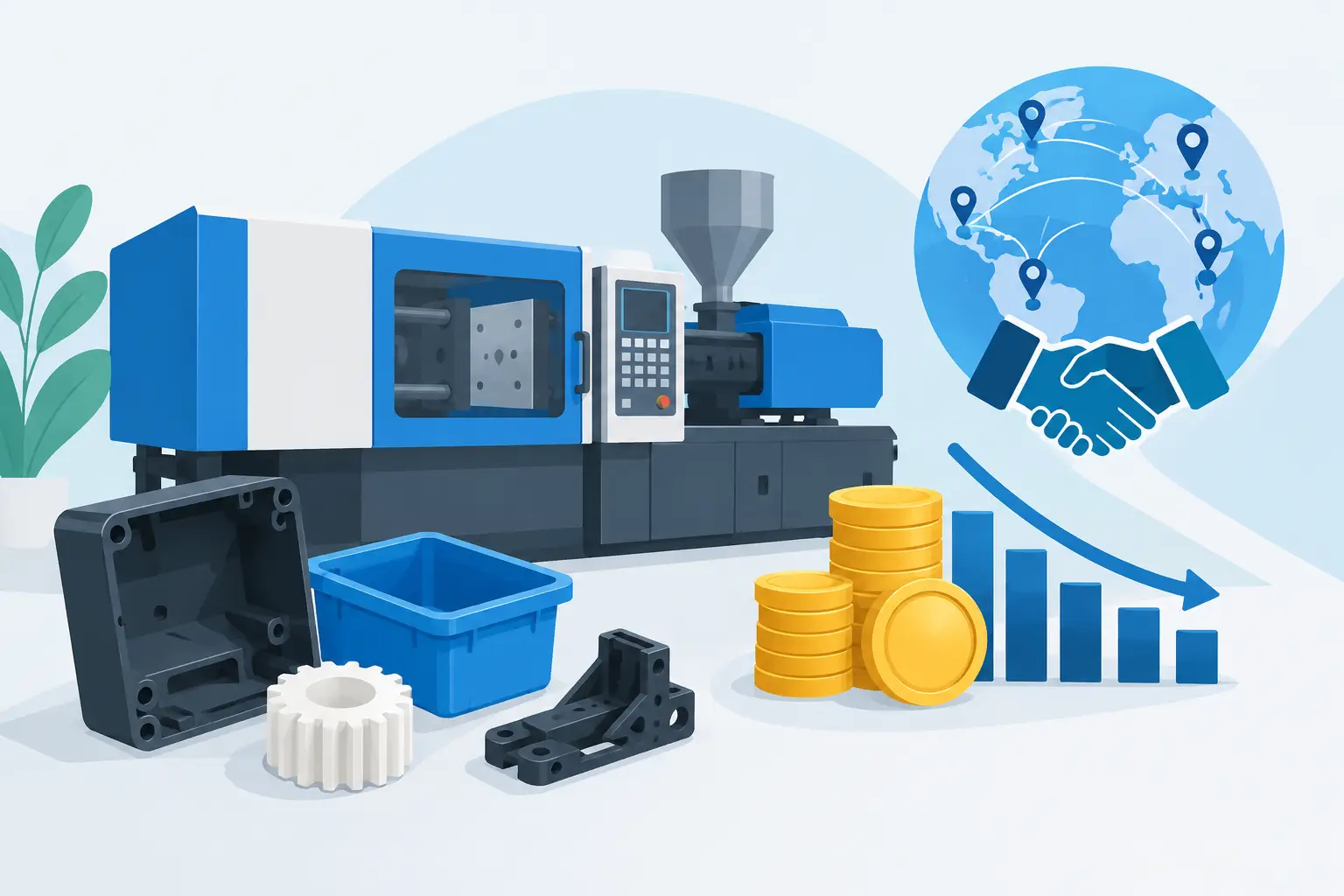
That distinction matters because each process carries a different cost structure. CNC machining usually has a lower startup cost and a higher per-part cost. Injection moulding usually has a higher upfront tooling cost and a much lower per-part cost once production is running.
If you only need dozens of parts, CNC machining may be the practical route. If you need thousands or hundreds of thousands of identical plastic parts, injection moulding is typically the stronger manufacturing decision.
Where CNC machining makes sense
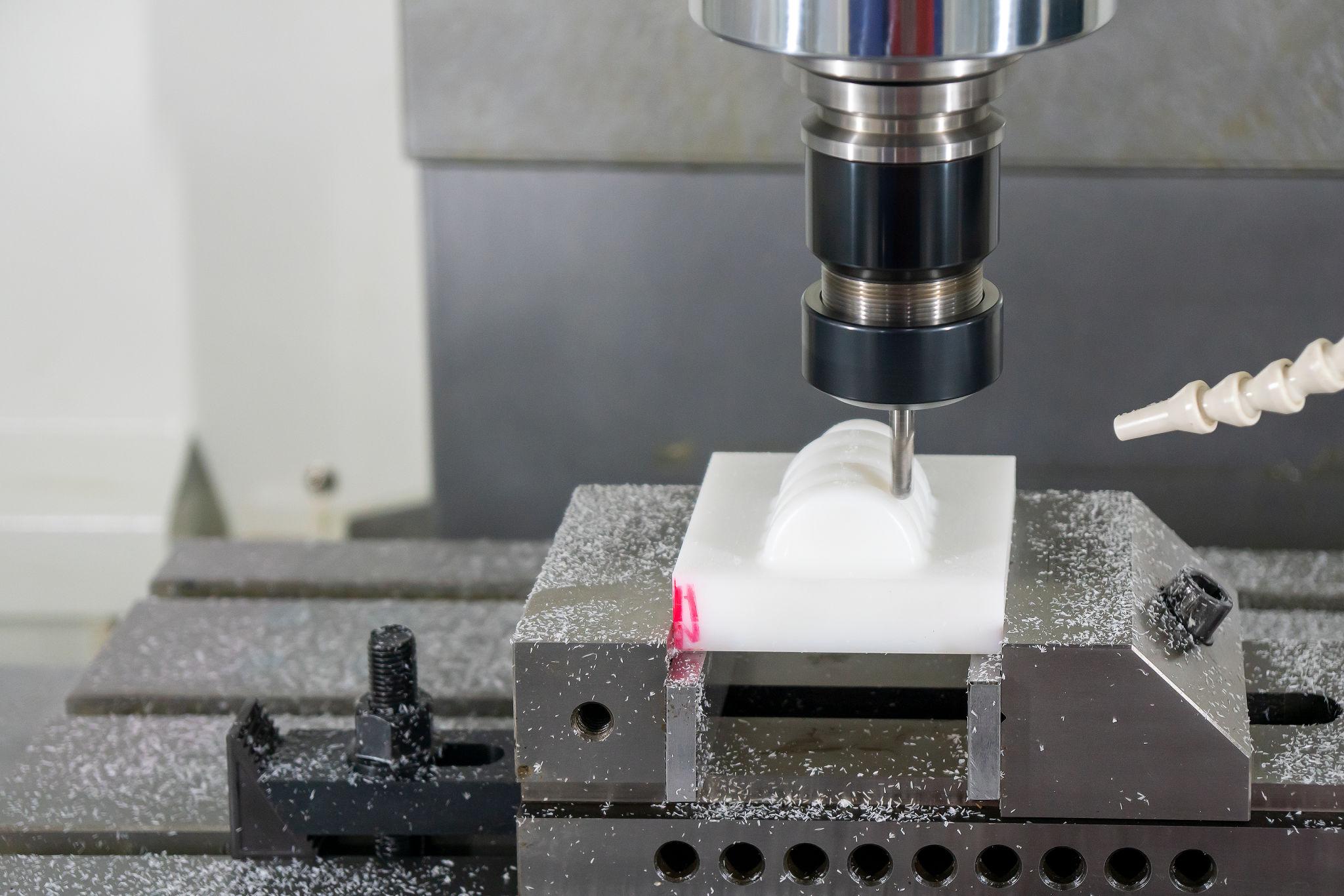
CNC machining is often the faster path when a part is still changing. Design teams use it to validate geometry, test fit and function, and produce bridge quantities before committing to hard tooling. Because there is no mould to build first, a machined part can often be produced as soon as material, programming, and machine time are available.
This makes CNC especially useful in early development. If wall thicknesses are being revised, snap features are being tuned, or mating surfaces are still under evaluation, machining gives engineers room to iterate without redesigning a mould.
It also works well for parts that do not justify a mould investment. Some replacement components, industrial service parts, and specialised housings stay at low annual volume. In those cases, paying for tooling may not make commercial sense, even if the part remains in use for years.
Geometry can also influence the decision. Very thick sections, certain deep features, and parts that would require complex mould actions may be easier to produce through machining, depending on material and tolerance requirements. The trade-off is that cycle time per part is longer, material waste is higher, and consistency across larger batches depends heavily on process control and setup discipline.
Where injection moulding takes the lead
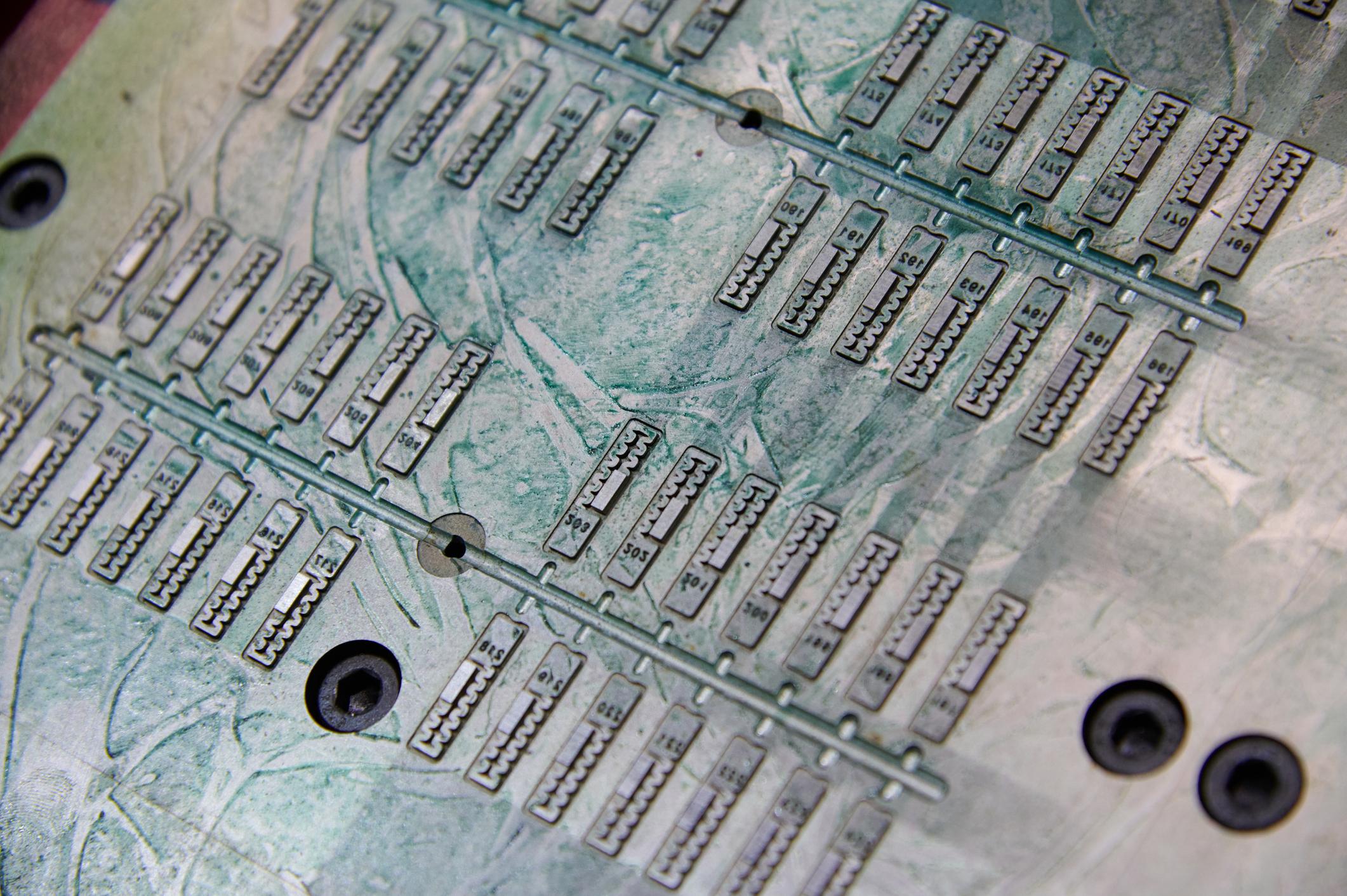
Injection moulding becomes the better option when demand is real, repeatability matters, and the part is intended for ongoing production. Once a mould is built correctly, the process can deliver a high volume of consistent parts with strong cycle efficiency.
For plastic components, this is where the economics shift decisively. The tool may require a higher initial investment, but the unit cost drops substantially as volume rises. That is why injection moulding is widely used for automotive parts, electrical enclosures, furniture components, bathroom accessories, utility products, and many other repeat-order applications.
It also supports better production integration. Features such as ribs, bosses, clips, texture, branding, and cosmetic surfaces can often be designed directly into the part rather than added through secondary work. That reduces the number of assembly steps and improves repeatability.
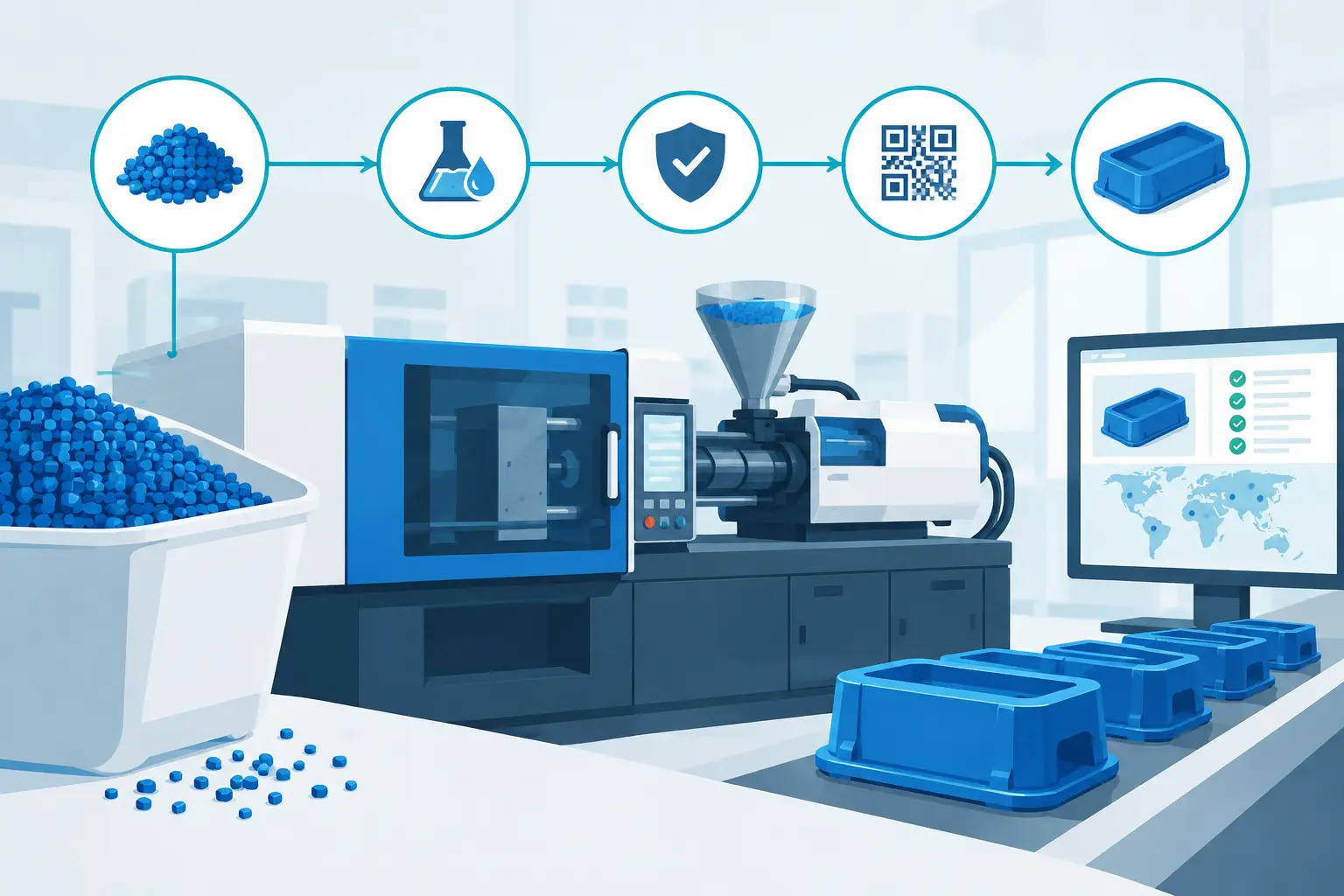
For buyers and engineers, another advantage is supply stability. A well-managed injection moulding program allows tighter control over material selection, tool maintenance, process windows, and quality verification. That control is critical when parts need to match prior runs, fit consistently into assemblies, and remain available over long production cycles.
Cost is not just tooling vs piece price
In most comparisons of injection moulding vs CNC machining, cost gets reduced to a simple statement: CNC is cheaper upfront, moulding is cheaper at scale. That is true, but incomplete.
A better comparison looks at total manufacturing cost over the life of the program. CNC machining often carries higher labour time, longer machine occupancy per part, more material loss, and greater exposure to cost increases as quantities grow. Injection moulding shifts more cost into the front end through tooling, but once validated, it can compress cycle time and deliver more predictable unit economics.
The break-even point depends on part complexity, resin choice, tolerances, annual demand, and whether the design is stable enough to lock. A simple plastic part at 20,000 units per year will usually favour moulding. A highly specialised component of 200 units per year probably will not.
There is also the cost of change. If the part design is still moving, a machined version may save money by avoiding repeated mould revisions. If the design is mature and demand is forecast with confidence, delaying a mould program can create unnecessary piece-price penalties.
Tolerances, finish, and material behaviour
Many teams assume CNC machining automatically delivers better precision. In some cases, that is true, especially for critical machined surfaces or parts requiring very tight tolerances on selected features. But the comparison is not that simple for production plastic parts.
Injection moulding can hold excellent repeatability when the tool is designed correctly and the process is controlled properly. For many commercial and industrial components, the consistency of moulded production is a major advantage over machining parts one at a time.
Surface finish also differs. Machined parts often show tool paths unless additional finishing is applied. Moulded parts can be produced with specific cosmetic textures or polished surfaces directly from the tool, which is valuable for visible consumer-facing or branded industrial components.
Material choice is another practical factor. CNC can machine engineering plastics, but the behaviour of a machined plastic part is not always the same as that of a moulded one. Stress, grain orientation, and final-use conditions need to be evaluated carefully. If the end product will ultimately be injection moulded, testing only machined prototypes can create false confidence unless differences in material performance are understood early.
Lead time depends on the project stage
There is no universal answer on speed. CNC machining is usually faster for first articles and early samples because there is no need to manufacture a mould. If your immediate goal is to check fit, secure a customer signoff, or support a pilot assembly, CNC can move quickly.
Injection moulding is often faster for ongoing production once tooling is complete. After the initial setup, moulded output can scale efficiently without the same per-part cycle burden. That matters when launch dates are fixed, and the demand curve rises quickly.
This is why mature manufacturers often use both processes strategically rather than treating them as rivals. CNC helps de-risk development. Injection moulding carries the part into efficient repeat production. The key is knowing when to switch and making sure the design is refined for mouldability before the tool is cut.
How to choose the right process
If the part is plastic, annual volume is rising, and consistency matters across repeat orders, injection moulding is usually the right long-term answer. If the part is still evolving, demand is limited, or you need samples fast without tooling commitment, CNC machining remains a practical option.
The decision becomes clearer when you ask five operational questions. Is the design stable enough for tooling? What is the true annual volume? How important is piece-price reduction over time? Does the part require moulded cosmetic or integrated functional features? And how quickly will the program need to scale after approval?
For many OEMs and product teams, the real risk is not choosing the wrong technology in theory. It is choosing a process that does not match the program stage. Early-stage parts need flexibility. Production-stage parts need repeatability, process control, and cost efficiency.
That is where an integrated manufacturing partner adds value. When tooling, mould modification, moulding, finishing, and quality control are managed in-house, the transition from prototype thinking to full production becomes faster and more controlled. At Glasfil, that integrated approach is built for exactly that handoff – helping customers move from part concept to reliable production without losing time between suppliers.
The best process is the one that fits the commercial reality of the part, not just the drawing. If your volumes are heading upward and the design is ready to hold, moving into injection moulding early enough can save more time and cost than waiting for the pressure to build.
If you are planning a new product or scaling an existing one, contact us today to discuss the right tooling approach before steel is cut.