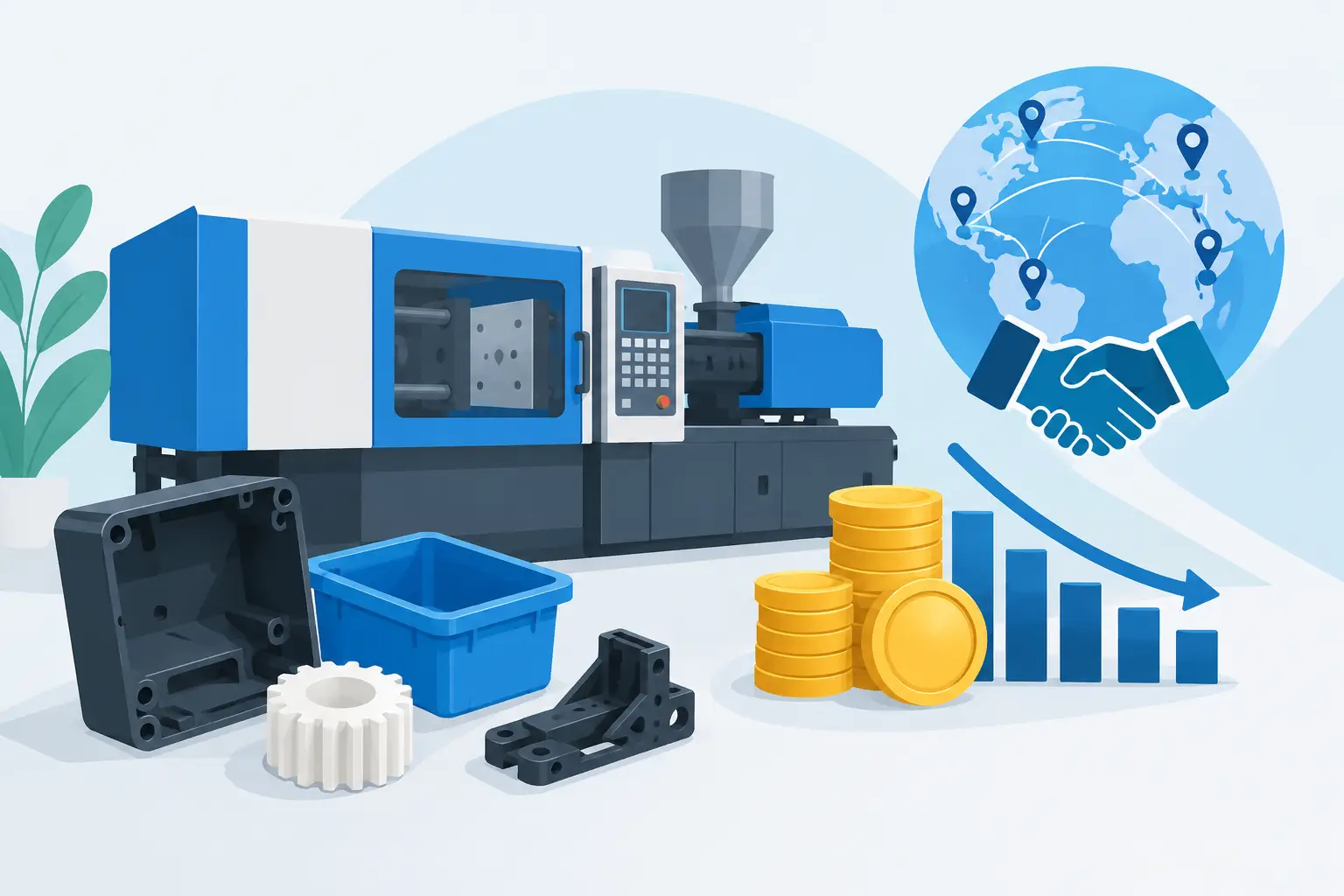
A part that looks simple on a screen can become expensive, delayed, or unstable in production for very practical reasons – weak tool design, poor material selection, inconsistent moulding conditions, or too many handoffs between suppliers. That is why injection moulding services are rarely just about making parts. For manufacturers, OEMs, and product teams, the real question is whether a supplier can control the full path from design intent to repeatable output.
When that control is missing, problems show up fast. Tool changes take too long. Cosmetic defects keep returning. Dimensional drift appears between batches. Production slows because one vendor builds the mould, another runs the parts, and someone else handles finishing. If speed, accuracy, and accountability matter, the service model matters as much as the machine capacity.
What injection moulding services should actually cover
At a basic level, many companies define injection moulding services as plastic part production. That definition is too narrow for serious industrial work. A capable manufacturing partner should support the process before, during, and after moulding.
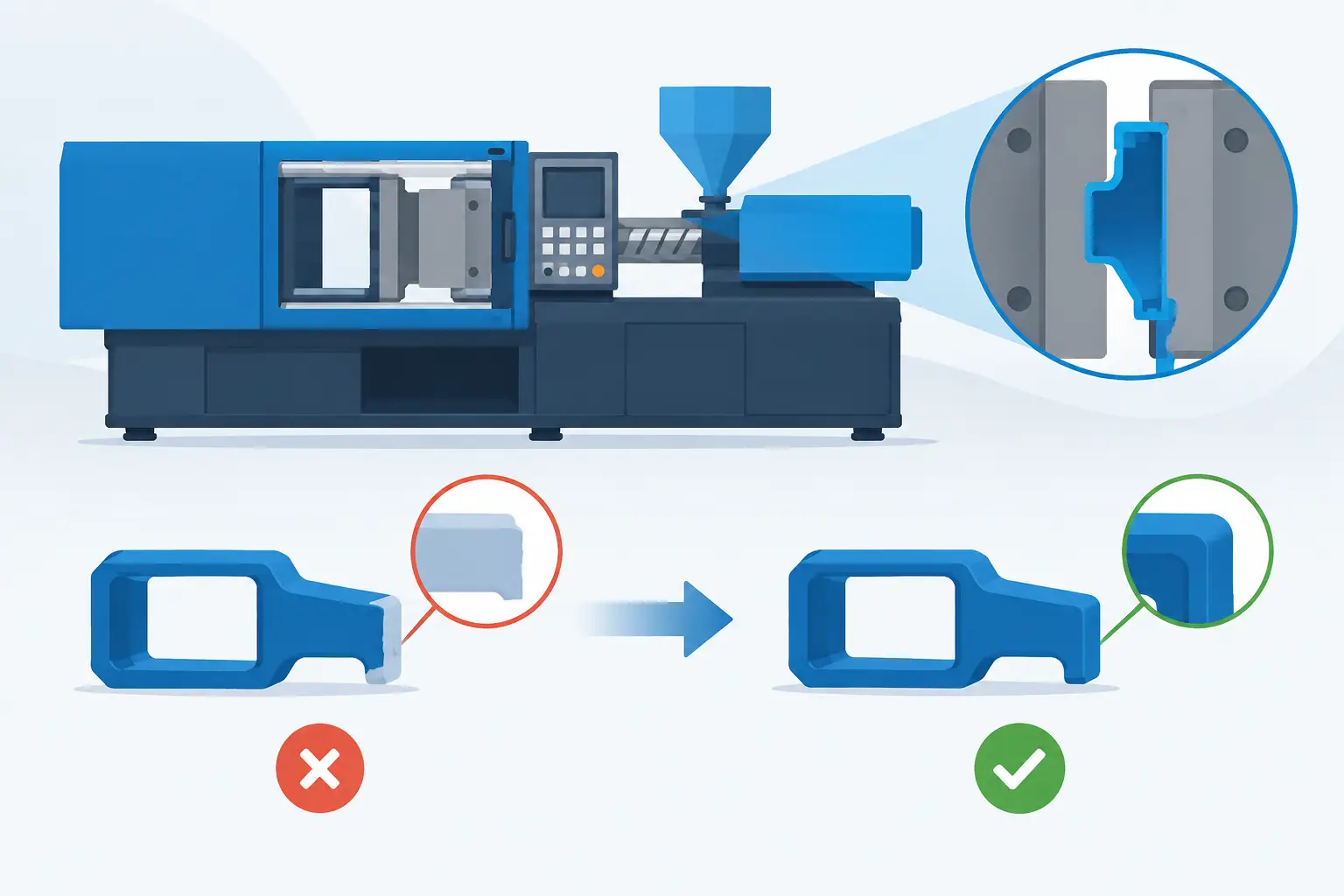
That starts with design review. A part may be technically moldable but still difficult to run efficiently, prone to sink, flash, warpage, or unnecessary cycle time. Early engineering input can improve wall thickness, gate location, material choice, draft, and parting line strategy before steel is cut. Those decisions affect tooling cost, quality consistency, and long-term output.
The next critical element is mould design and fabrication. If tooling is outsourced or fragmented, lead times often stretch, and design changes become harder to manage. In-house tool design and build create a tighter feedback loop. When modifications are needed, they can be made faster and with clearer ownership. For custom components and ongoing repeat production, that matters far more than many buyers expect at the quoting stage.
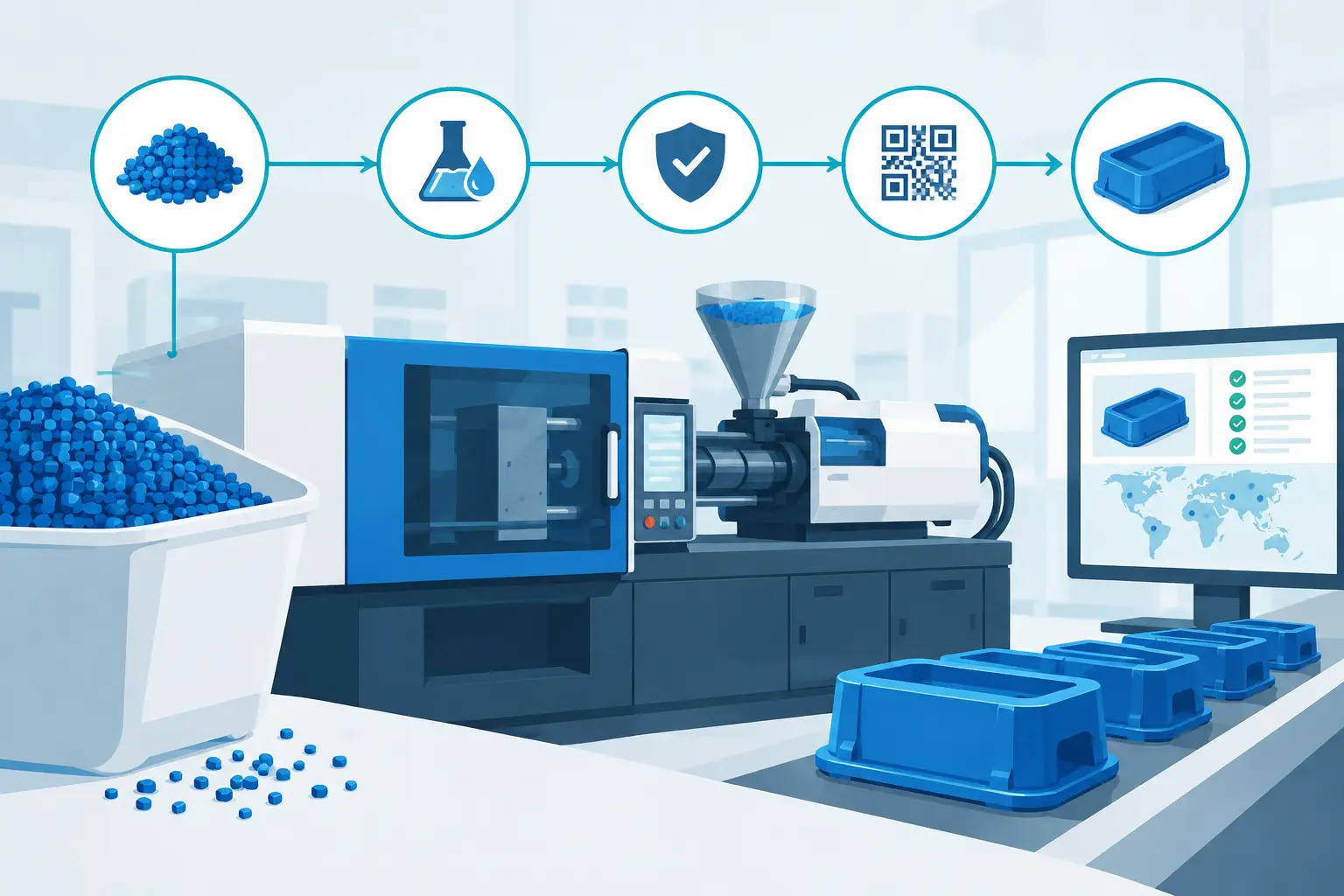
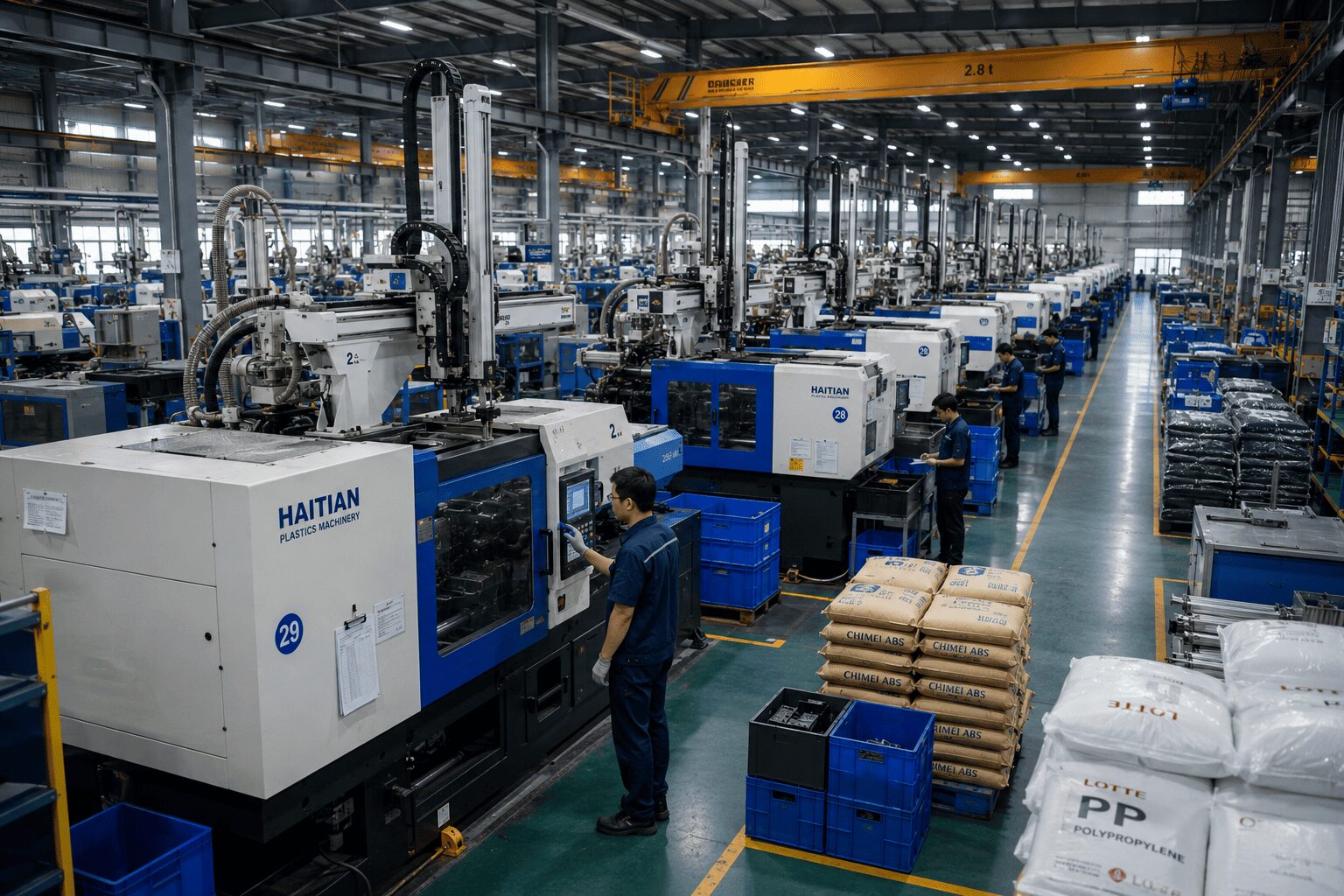
Then comes the moulding operation itself. Machine tonnage, process control, resin handling, and operator discipline all influence the final part. A supplier with a broad machine range can match the press to the product rather than force the part into a limited setup. That improves efficiency and reduces avoidable defects.
Secondary processing is another area that separates basic suppliers from full-service partners. Trimming, drilling, tapping, ultrasonic welding, assembly, pad printing, and packaging are often treated as separate jobs. In reality, these steps affect throughput, labour cost, and delivery performance. If they are handled under one roof, scheduling becomes easier, and quality control remains more consistent.
Why integrated injection moulding services reduce risk
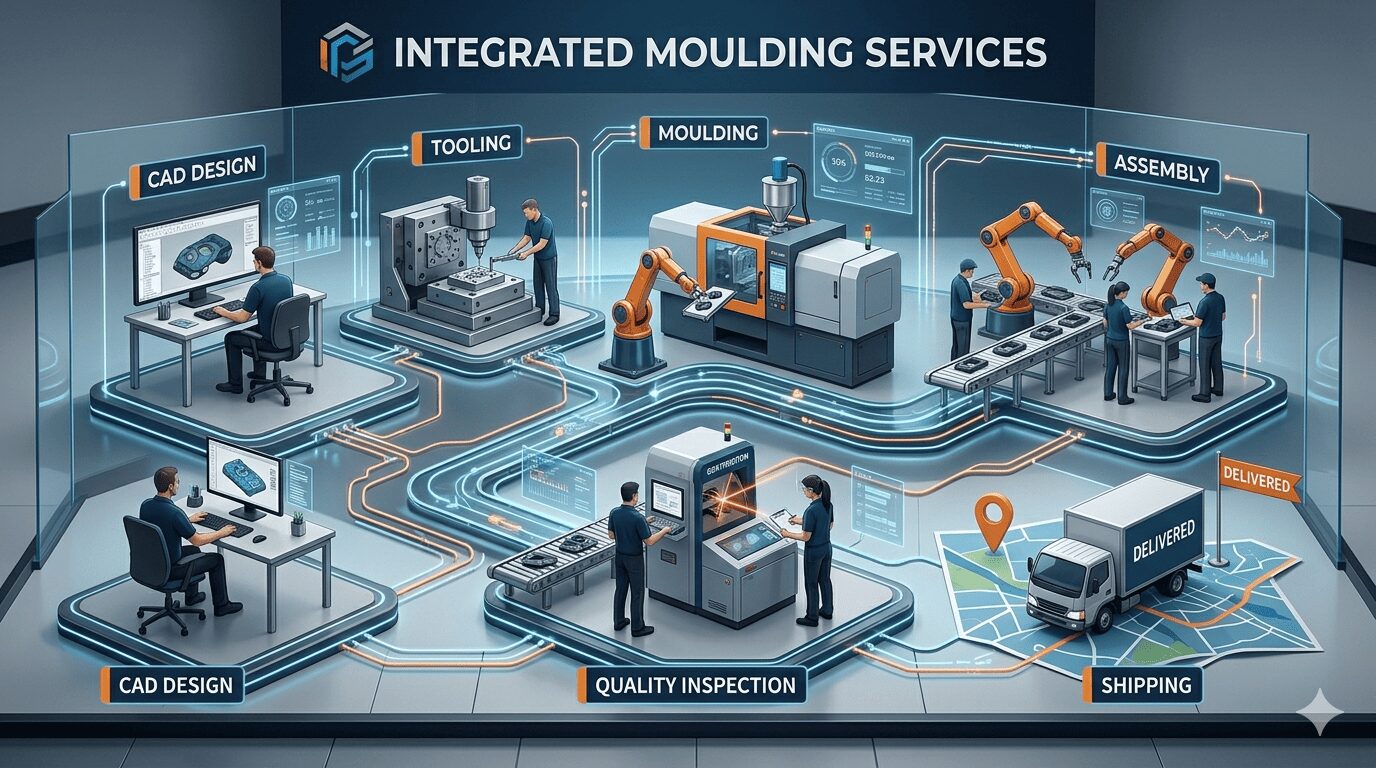
The biggest operational advantage in integrated injection moulding services is not convenience alone. It is risk reduction.
When one manufacturer manages design refinement, tooling, moulding, finishing, and quality assurance, there are fewer gaps between stages. Engineering changes can be reviewed against real production conditions. Mould maintenance can be planned around output needs. Quality findings can feed directly back into process adjustment or tool correction. Instead of passing responsibility between vendors, the manufacturing system works as one chain.
This becomes especially valuable for products with tight tolerances, visible surfaces, functional fit requirements, or ongoing demand across multiple shipments. A separate toolmaker may deliver an acceptable mould, but if the moulder did not influence the tool design, the process window may be tighter than necessary. That can create instability later. An integrated supplier sees tooling and production as connected, not separate purchases.
Speed is another practical benefit. If your business is trying to launch a product, replace an obsolete part, or recover from a supply disruption, long decision chains can damage the timeline. A manufacturer with in-house design, mould modification capability, and production capacity can shorten the path from concept to approved parts. Glasfil, for example, positions this model around end-to-end execution and an eight-week completion timeline, which is exactly the kind of compression many industrial buyers need.
What to evaluate before choosing a supplier
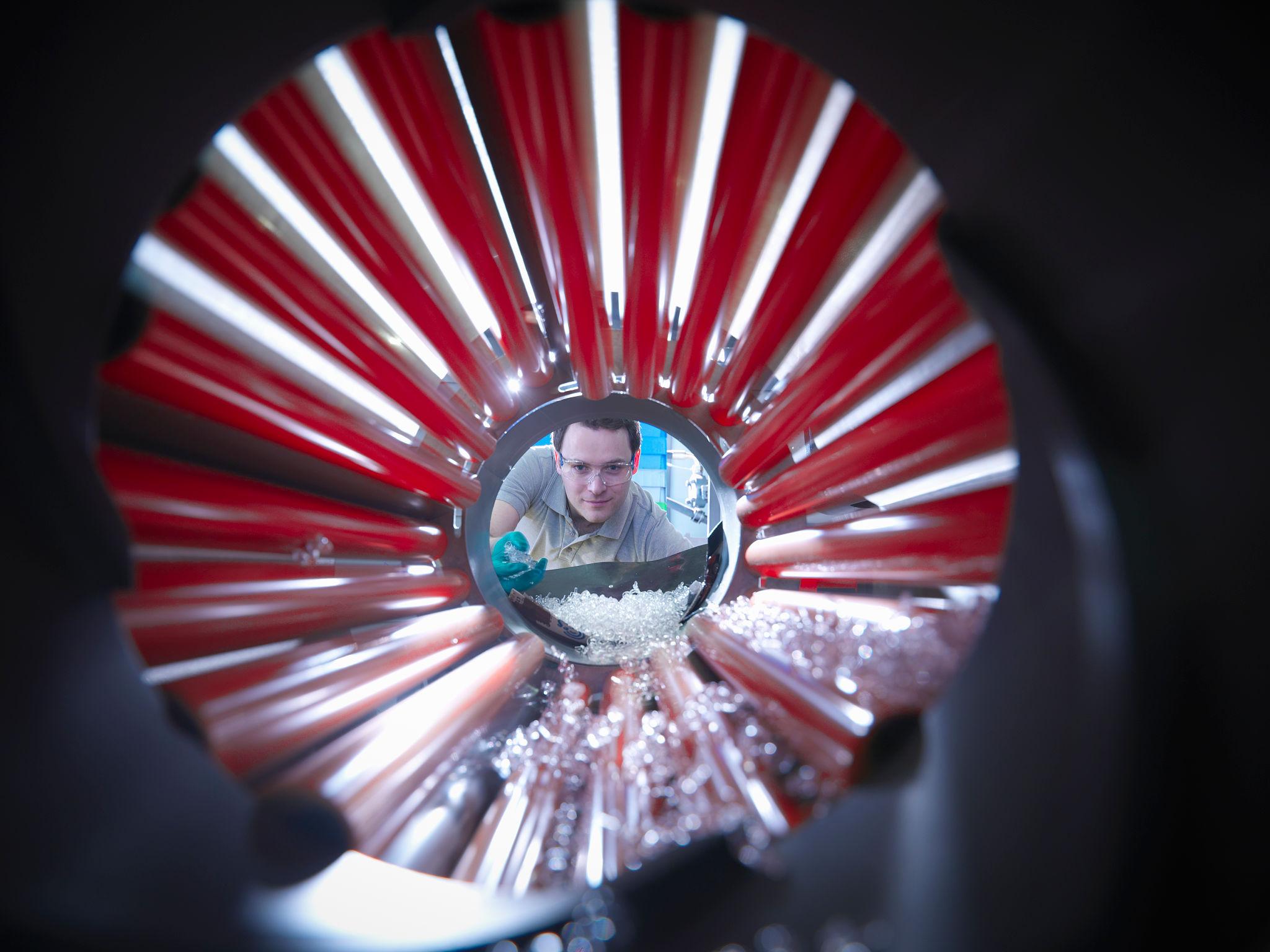
Not all injection moulding providers offer the same level of control, even when they use similar language. Buyers should look past general claims and focus on operating details.
Start with tooling ownership and modification capability. If a supplier depends heavily on external toolmakers, ask how quickly engineering revisions can be implemented and validated. Mould maintenance and repair should also be part of the conversation. Tools wear. Gates erode. Shut-offs need attention. A supplier that can maintain and repair moulds internally is usually better positioned for long-run consistency.
Next, assess production range. Machine count matters, but only when paired with useful tonnage coverage and stable process management. A company running multiple machines up to 560 tons, across two manufacturing plants, has more flexibility to support different part sizes, production volumes, and scheduling demands than a shop with a narrower footprint.
Quality assurance should be examined in the same practical way. Ask how inspections are handled, what is measured, and how process issues are escalated. In-house quality systems are not just about paperwork. They help detect drift early, especially on parts used in automotive, electronics, utility, and industrial applications, where fit and function are non-negotiable.
It is also worth asking what happens after moulding. If the supplier cannot support finishing, assembly, packing, or shipping, you may still be managing multiple vendors even after the parts are produced. That may be acceptable for simple jobs. It is less effective when timelines are tight or product presentation matters.
Injection moulding services for different product types
The right service model depends on what you are trying to manufacture.
For high-volume commodity parts, the priority may be unit cost and cycle efficiency. In that case, stable tooling, material control, and repeatable automation are central. For technical parts used in electrical housings, bathroom accessories, furniture components, automation systems, or water meter assemblies, performance requirements are broader. You may need dimensional accuracy, cosmetic consistency, insert integration, threaded features, or secondary operations.
New product launches often need the most support. Design intent is still evolving, and real production feedback can expose issues not visible in CAD. A supplier with research and development support can help refine the part before volume increases. That prevents the common mistake of treating moulding as a final step instead of a product development discipline.
Replacement parts create a different challenge. In many cases, original drawings are incomplete, tooling is unavailable, or the application has changed. Here, engineering interpretation and mould-building capability matter more than price alone. The supplier needs to understand how the part functions, how it should be manufactured now, and how to achieve reliable output without wasting time on trial-and-error corrections.
Where buyers often lose time and money
A common purchasing mistake is comparing quotes as if injection moulding were a single standardised service. It is not. A lower upfront tooling or part price can lead to far higher costs later if the supplier lacks engineering depth, mould control, or finishing capacity.
The first hidden cost is revision delay. If design changes require outside coordination, every modification takes longer. The second is quality instability. If process control is weak, your team spends more time sorting defects, investigating returns, or managing production interruptions. The third is logistics fragmentation. Separate suppliers for tooling, moulding, and post-processing create more admin work and more room for missed deadlines.
The better approach is to calculate total manufacturing efficiency. That includes launch speed, change responsiveness, repeatability, scrap control, and how many internal resources your team must commit to keep the project moving.
What a strong manufacturing partner looks like
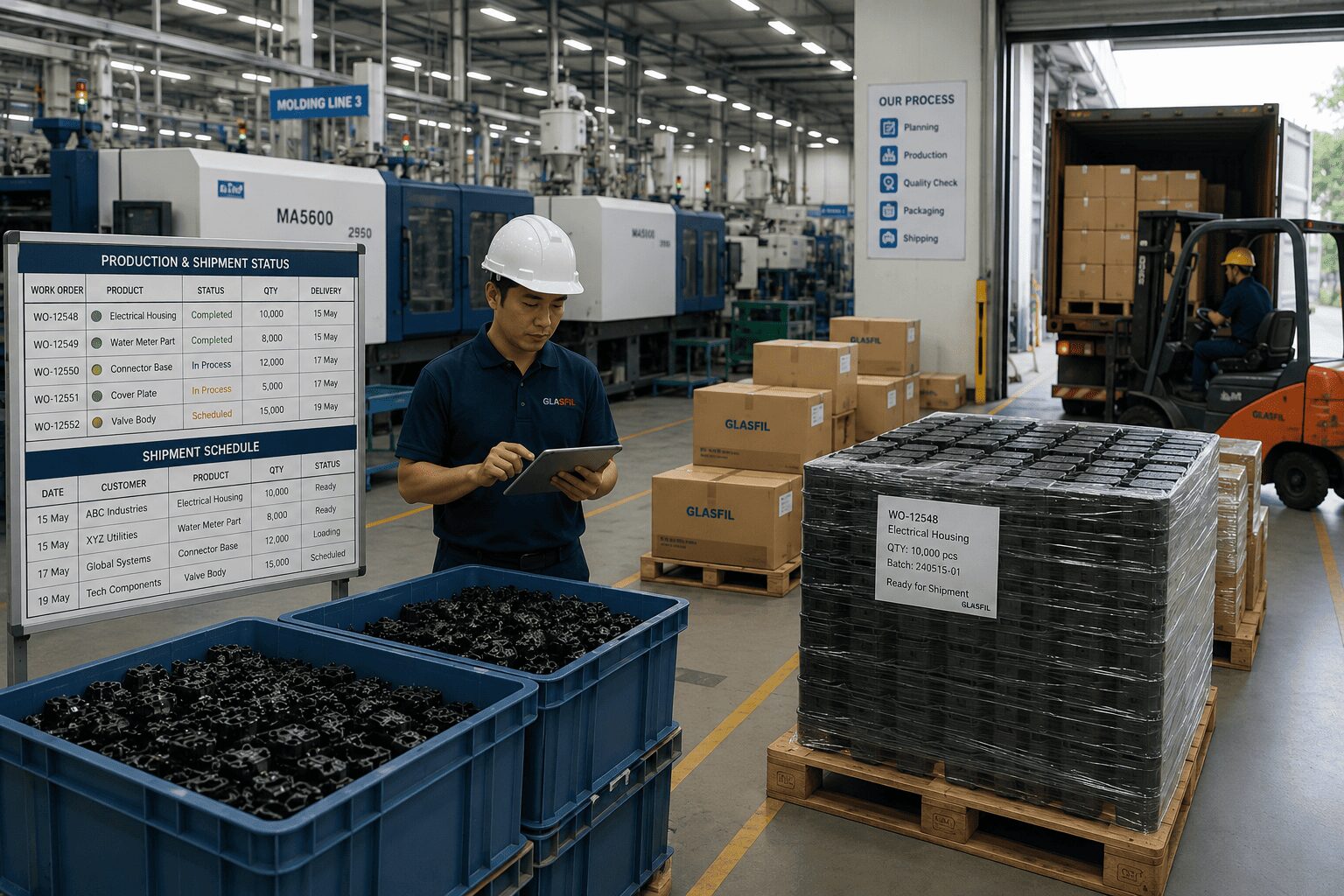
A strong supplier is not just a source of machine time. It is a technical partner that understands how tooling decisions affect moulding performance, how process settings affect quality, and how finishing and packaging affect the final product delivered to your customer.
That partner should be able to speak clearly about design for manufacturability, resin behaviour, mould maintenance, capacity planning, and inspection discipline. It should also have enough operational depth to support growth, whether that means pilot runs, repeat orders, or multi-market supply.
For business buyers, the value is straightforward. Better injection moulding services reduce avoidable delays, improve part consistency, and simplify execution across the full production cycle. When the work stays under technical control from design through shipment, you spend less time coordinating suppliers and more time moving products to market.
If you are evaluating suppliers, do not just ask who can mould the part. Ask who can keep the entire process stable when deadlines tighten, revisions appear, and volume starts to scale. That is where the difference shows up.
From design review to process optimisation and production scale-up, our team helps reduce defects before they impact delivery, assembly, and product quality.
Contact us to discuss your current moulding challenges or upcoming manufacturing requirements.