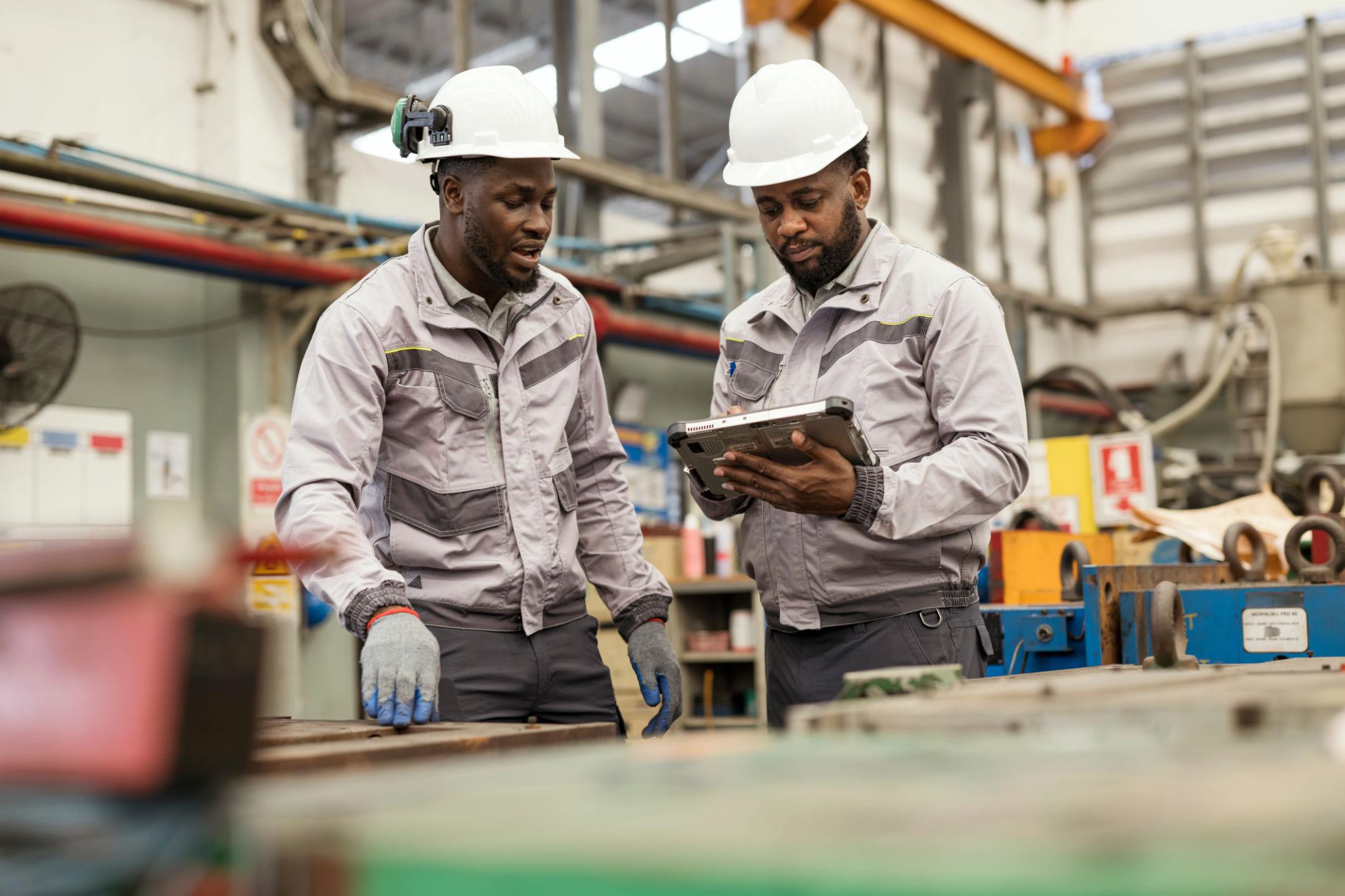
A missed launch date usually does not start on the moulding floor. It starts much earlier – with the wrong manufacturing partner. When buyers ask how to choose an injection moulding partner, they are rarely comparing suppliers on price alone. They are trying to reduce risk across tooling, production quality, timing, engineering changes, and delivery.
That is why the right decision is not simply about finding a company that can mould plastic parts. It is about finding a partner that can control the full process, respond quickly when designs change, and keep production stable when volumes grow. For OEMs, engineers, and procurement teams, the real question is which supplier can support the product over time, not just quote the first batch.
How to Choose an Injection Moulding Partner for Long-Term Production
The strongest injection moulding relationships are built on operational control. A supplier may offer an attractive unit price, but if the tool is outsourced, quality checks are limited, or lead times depend on third parties, the hidden cost appears later. Delays, defects, and change order friction can erase any savings quickly.
A capable partner should be evaluated as a production system. Look at how they manage mould design, tool manufacturing, process validation, maintenance, secondary operations, packing, and shipping. The more critical steps they control in-house, the fewer variables you have to manage.
This matters even more for technical parts. Tight tolerances, cosmetic requirements, assembly fit, and repeatability across production runs all depend on process discipline. If your product is part of a larger assembly or a regulated application, supplier capability becomes a business continuity issue, not just a sourcing decision.
Start with tooling ownership and engineering depth
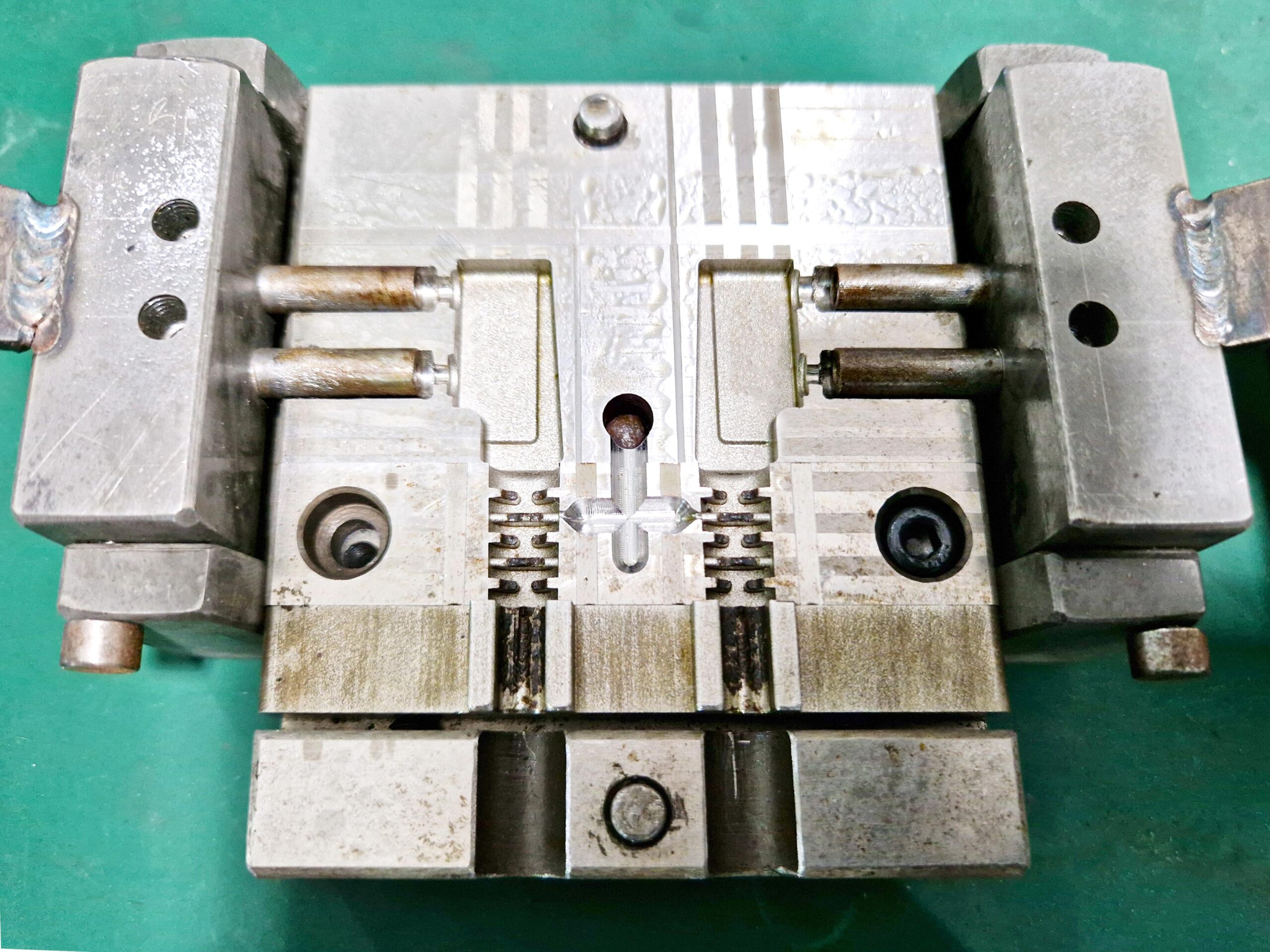
Many plastic part problems are tooling problems in disguise. Flash, sink, warpage, short shots, and inconsistency often trace back to poor mould design, weak tool construction, or limited ability to modify the mould after sampling. That is why tooling capability should be one of the first things you examine.
Ask where the moulds are designed and built. If a supplier brokers tooling through multiple outside vendors, communication slows down, and accountability gets blurred. If they design and fabricate tools in-house, engineering feedback moves faster, and corrections are easier to implement.
Modification capability is equally important. Product development rarely ends after the first tool trial. Gate adjustments, venting changes, dimensional corrections, and part optimisation are common. A partner that can make mould changes internally will usually move faster than one that has to send every revision back to an outside tool shop.
For buyers launching a new product, this can decide whether production starts in weeks or drifts into months.
Look beyond machine count to real production fit
Capacity is not just about how many presses a supplier owns. It is about whether their machine range, technical setup, and plant organisation match your part requirements. A company with many machines may still be the wrong fit if they cannot support your tonnage, resin type, tooling size, cycle demands, or downstream processing.
Review the basics first. Can they run the shot size and clamp force your part needs? Do they handle the materials your application requires? Can they support inserts, overmolding, cosmetic surfaces, or tight dimensional control if needed?
Then look at the scale. If your forecast grows, can they add shifts or transfer production across multiple machines or plants without disrupting consistency? A supplier that fits your prototype phase but cannot support repeat production is not a long-term solution.
What to Check Before You Choose an Injection Moulding Partner
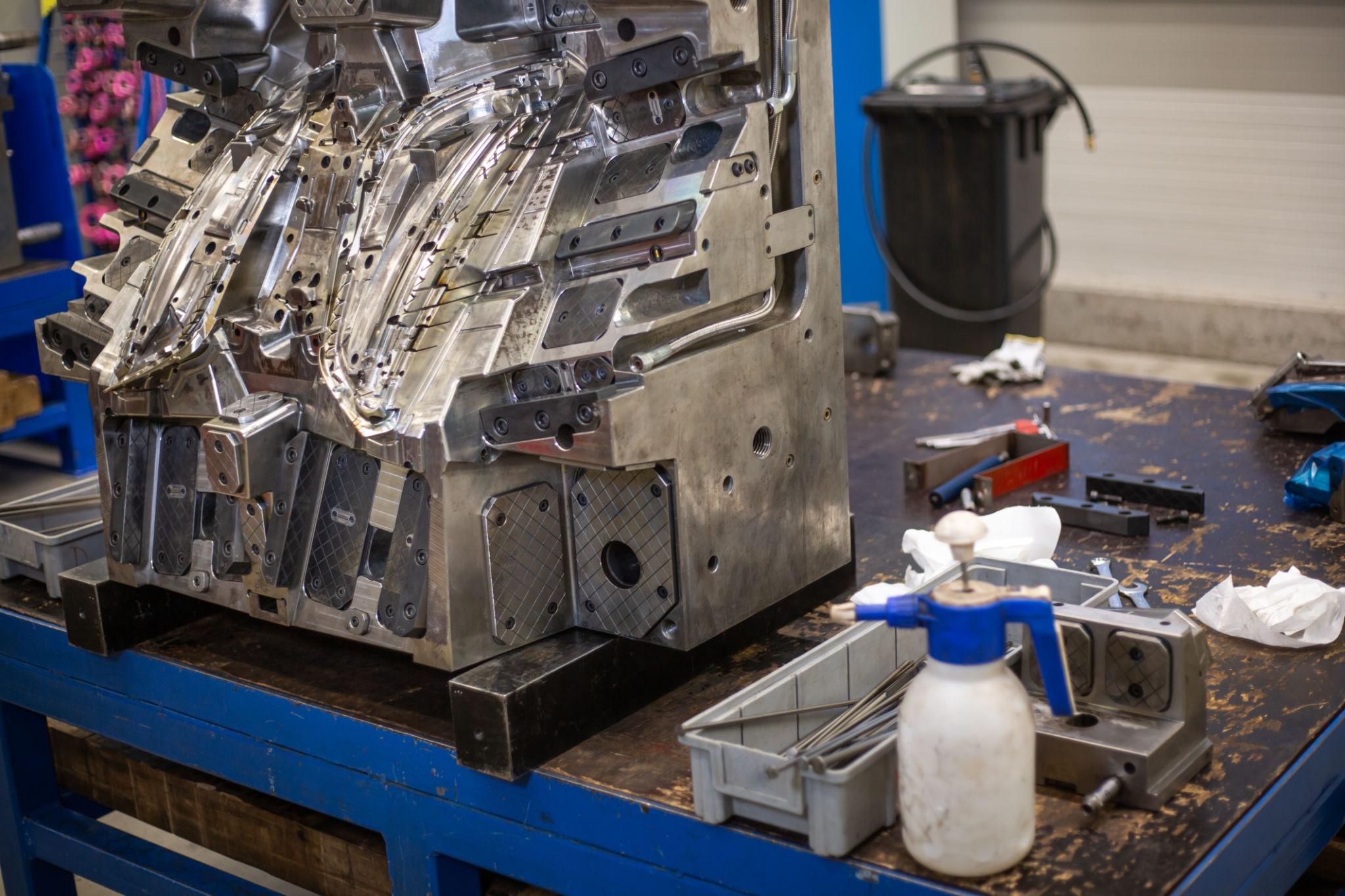
Quality claims are easy to make. What matters is how quality is built into the process.
A dependable moulder should be able to explain how they inspect incoming materials, validate first articles, monitor in-process consistency, and handle final inspection before shipment. If they treat quality as an end-of-line activity, problems are usually discovered too late. Strong suppliers build checkpoints into design review, tooling, trial runs, and routine production.
Just as important is how they respond when a part is out of spec. Ask how nonconformities are documented, segregated, corrected, and prevented from recurring. A partner with a disciplined corrective action process will usually be more reliable than one that simply promises low defect rates.
For complex programs, in-house quality assurance can make a measurable difference. It shortens feedback loops between production, tooling, and engineering teams. That means issues are identified faster and root causes are addressed closer to the source.
Speed matters, but only if it is controlled
Fast quoting and aggressive lead times look good in procurement reviews, but speed without technical control creates expensive rework later. The right supplier should be able to move quickly because their process is integrated, not because they are skipping validation.
Ask specific timing questions. How long does tool fabrication typically take? How many sampling rounds are expected? What happens if the part needs revision after the first trial? How quickly can mould modifications be completed? If finishing, assembly, packing, and shipping are handled separately, what impact does that have on timing?
The best partners can explain their schedule in operational terms. They know where delays usually occur and how to prevent them. They also set realistic expectations instead of offering optimistic dates that collapse under pressure.
This is where an integrated manufacturer often has an advantage. When tooling, moulding, finishing, maintenance, and logistics are managed under one roof or within the same operation, the handoffs are cleaner, and the timeline is easier to control.
Evaluate communication the same way you evaluate production
A supplier can have strong technical equipment and still be difficult to work with. Communication is not a soft issue in manufacturing. It directly affects project speed, engineering accuracy, and issue resolution.
During the quoting and review stage, pay attention to how the team communicates. Do they ask technical questions about function, tolerance, resin selection, and annual volume? Do they challenge assumptions when they see a manufacturability issue? Do they explain trade-offs clearly, or do they simply agree to everything?
The right partner should bring engineering judgment to the conversation. If a wall thickness is risky, they should say so. If a cosmetic requirement will increase tooling complexity, they should explain the cost and timing impact. If an alternative resin or geometry can reduce cycle time or improve durability, they should make that recommendation early.
A supplier that stays silent during development often becomes reactive during production.
Cost Should Be Evaluated Across the Full Program
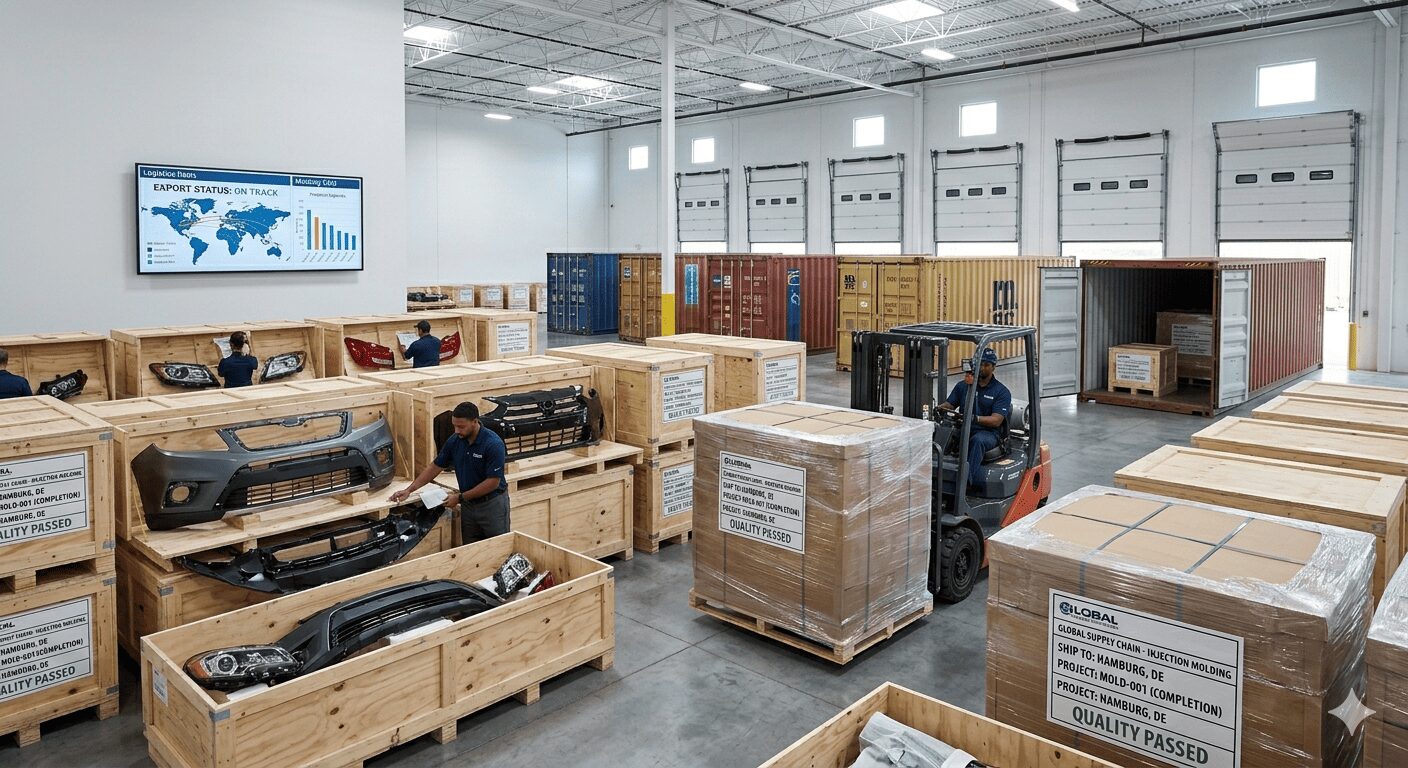
Unit price matters, but the lowest quote is not always the lowest total cost. Buyers who focus only on piece price often end up paying elsewhere – through mould revisions, scrap, shipment delays, inconsistent quality, extra supplier management, or duplicate handling between vendors.
A better way to compare suppliers is to look at full-program economics. Include tool quality, expected mould life, maintenance responsiveness, setup consistency, defect exposure, engineering support, and the cost of managing external finishing or logistics providers.
For example, a supplier with in-house mold maintenance may prevent long production interruptions. A manufacturer that handles finishing and packing internally may reduce damage, scheduling errors, and freight complexity. A team that identifies DFM issues before tool build may save far more than a lower upfront quote ever could.
This is especially true for repeat production parts. The right partner protects margin over the life of the program, not just at the purchase order stage.
International experience and supply reliability
If your business serves multiple markets or operates under tight delivery windows, supply reliability should be part of the qualification process. Ask whether the manufacturer has experience supporting international projects, export requirements, and consistent production for customers across different regions.
This does not only apply to large enterprises. Mid-sized industrial brands often feel supply chain disruption more sharply because they have less room for downtime. A supplier that understands documentation, packaging discipline, shipping coordination, and production planning adds practical stability.
It is also worth asking how they handle mould maintenance and production continuity. Tools wear. Demand shifts. Engineering changes happen. A reliable partner plans for those realities instead of treating them as exceptions.
For companies that need a one-stop manufacturing model, a partner with in-house tooling, moulding, secondary processing, quality control, and shipment support can remove significant operational friction. That is one reason many buyers look for an integrated manufacturer such as Glasfil when the program requires speed, technical control, and repeatable output.
The final test is simple
Before you award the work, ask yourself one direct question: if this part becomes business-critical, would you trust this supplier to solve problems quickly and keep production moving?
That question usually cuts through polished sales presentations. The right partner will show engineering depth, process control, honest communication, and the capacity to support your product after launch. If they can do that, you are not just buying moulded parts. You are building a more stable production pipeline.
Contact us today to discuss your project requirements or request a quotation. Let’s build a production process you can depend on.