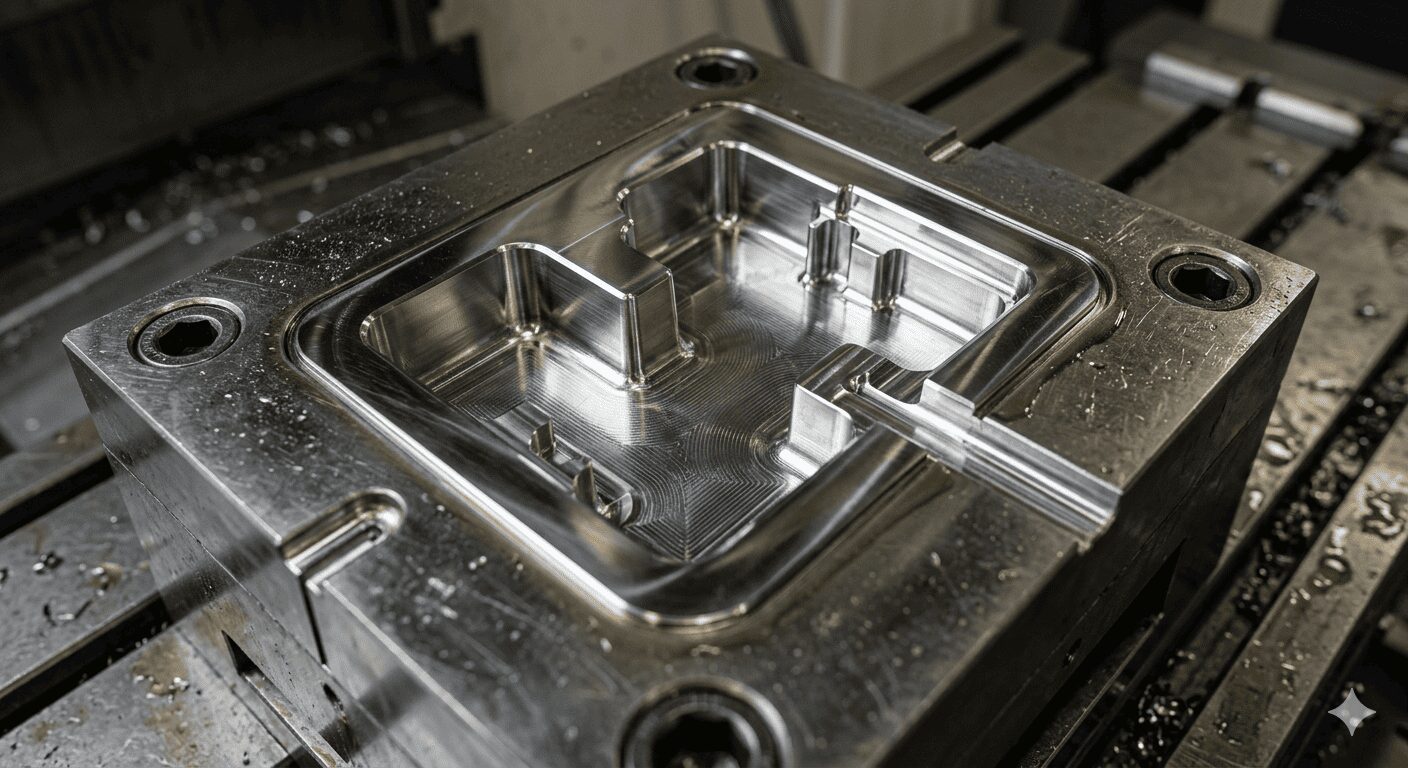
A plastic part rarely fails because of resin alone. More often, the problem starts much earlier – in the tool. Precision mould fabrication is what determines whether a part fills consistently, ejects cleanly, holds tolerance, and survives repeat production without expensive adjustments.
For product developers, buyers, and OEM teams, that has real commercial impact. A well-built mould shortens sampling cycles, stabilises production, and reduces corrective work after launch. A poorly built one does the opposite. It creates flash, sink, short shots, dimensional drift, and downtime that no production schedule wants to absorb.
What precision mould fabrication really means
Precision mould fabrication is not just machining steel to a drawing. It is the controlled process of turning part geometry, material behaviour, shrinkage, cycle requirements, and production volume into a working tool that performs under real factory conditions.
That distinction matters. A mould can look correct on paper and still struggle in production if venting is weak, cooling is uneven, gating is poorly placed, or steel selection does not match wear conditions. Precision is not only about tight tolerances on inserts and cavities. It is also about how every tool feature works together once the press starts running.
In practical terms, precision tooling depends on disciplined design review, accurate machining, EDM where needed, controlled fitting and assembly, and testing that verifies output rather than assumptions. The best moulds are engineered for repeatability, not just first-shot success.
Why precision mould fabrication affects part cost
Tooling quality is often discussed as a capital expense, but its bigger effect shows up in production economics. When the mould is built correctly, cycle time can be optimised because cooling is balanced and part release is predictable. Scrap stays lower because dimensions remain stable. Maintenance becomes more planned and less reactive.
When the mould is compromised, costs spread across the whole program. Operators spend more time making process adjustments. Quality teams sort more parts. Maintenance teams interrupt production to polish, rework, or replace worn components. Procurement ends up managing a supply problem instead of a supply plan.
This is where many sourcing decisions go wrong. An inexpensive mould can become the most expensive option if it requires repeated corrections, produces unstable parts, or limits output at scale. Precision mould fabrication reduces that risk by building performance into the tool from the start.
The design stage decides more than most teams expect
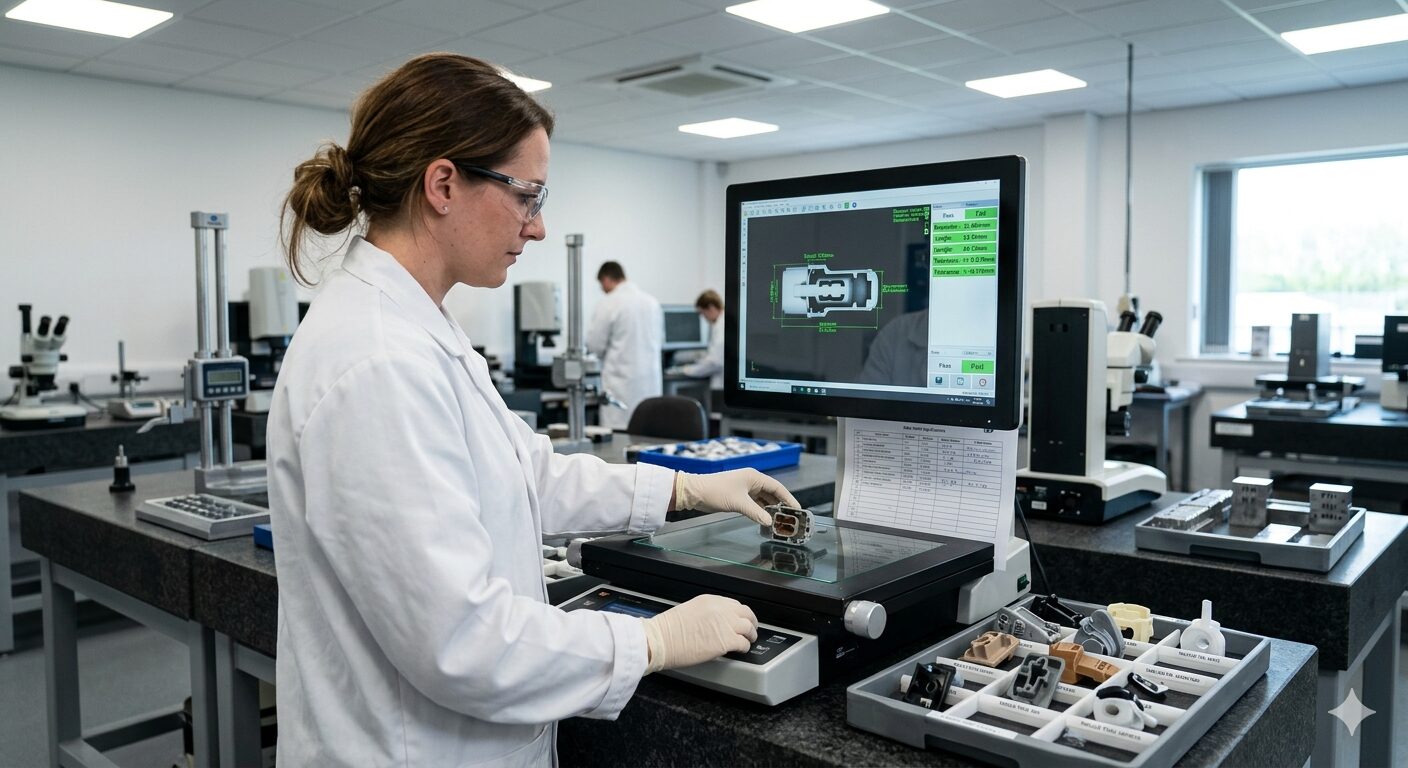
A large share of tooling problems is created before steel is cut. Part geometry, wall thickness transitions, shut-off conditions, undercuts, draft, rib proportions, and cosmetic expectations all shape tool complexity. If those details are not reviewed early, the mould shop inherits preventable problems.
That is why experienced manufacturers push hard on design-for-manufacturing review. Sometimes the right answer is a small geometry change that improves filling and reduces warpage. Sometimes it is a gating revision that protects appearance surfaces. In other cases, it means changing steel type, surface treatment, or insert strategy because the resin or expected volume calls for it.
There is always a trade-off. A mould designed for the fastest possible cycle may cost more up front. A mould designed for lower initial tooling cost may require more maintenance later. Neither choice is automatically wrong. It depends on annual volume, part criticality, launch timing, and how long the program is expected to run.
Tolerance strategy has to match the function
Not every feature needs the same tolerance, and treating every dimension as critical usually creates unnecessary tool complexity. Functional fits, sealing surfaces, thread forms, and assembly interfaces deserve the highest focus. Other dimensions can often be controlled within a practical range without overengineering the mould.
A good tooling partner will challenge tolerance stacks that look clean in CAD but are hard to hold in moulded plastic. Resin shrinkage, moisture response, gate influence, and part geometry all affect final dimensions. Precision comes from aligning tool design with actual moulding behaviour, not from assigning unrealistic numbers to the print.
What separates a production-ready mould from a risky one
A production-ready mould is designed for maintenance, modification, and repeat use. Many tools are built to get through approval samples rather than support years of output.
In a strong mould, wear components are accessible, inserts are replaceable where needed, cooling circuits are engineered for consistency, and venting is sufficient for the material and geometry. Ejection is balanced. Shut-offs are protected. Critical surfaces are finished to match part requirements, not simply polished because it looks better.
Testing is equally important. Trial runs should confirm fill balance, cooling behaviour, ejection performance, dimensional stability, and cosmetic quality. If the tool only works inside a narrow process window, it is not truly production-ready. Real manufacturing needs a margin.
Mould modification capability matters
Even a well-managed project can require changes after the first trials. Customer design updates, fit issues in final assembly, material changes, or market-driven revisions can all affect the tool. When mould modification capability is in-house, those changes move faster and with better technical control.
That is one reason integrated manufacturers hold an advantage. If design, fabrication, moulding, and quality teams are working inside one operation, feedback loops are shorter. Problems are identified earlier, corrective action is clearer, and tool adjustments can be validated quickly in production conditions.
Speed matters, but only if control stays high
Fast lead times are valuable, especially when a product launch depends on samples, validation, and ramp-up. But speed without process control usually creates rework. In precision mould fabrication, compressed timelines only work when engineering review, machining capacity, assembly discipline, and trial capability are already aligned.
For B2B buyers, the better question is not just, “How fast can you build the mould?” It is, “How fast can you build it and still support stable production?” Those are very different promises.
A capable manufacturer earns speed through in-house control. If design refinement, toolmaking, modifications, moulding trials, and inspection are handled under one system, progress is easier to manage, and delays are easier to solve. Glasfil follows that integrated model because it reduces handoff errors and helps move projects from concept to production with fewer surprises.
How to evaluate a precision mould fabrication partner
Most buyers look first at price and quoted lead time. Both matter, but they do not tell you enough. A stronger evaluation looks at process capability.
Start with engineering involvement. Does the supplier review the part design before tool build, or quote from the file provided? Then look at fabrication control. Are machining, fitting, and mould modification handled in-house, or spread across outside vendors? Ask about trial capacity, inspection methods, and post-launch maintenance support.
It also helps to understand the production context. A tool should not be designed in isolation from the press, resin, expected annual volume, and secondary requirements. If a supplier can build the mould but cannot support moulding, finishing, packing, or repeat supply, your team may still end up managing multiple gaps across the program.
Experience across industries can also be useful, especially when part performance matters. Automotive, electronics, utility components, construction products, and automation parts all bring different tolerance, cosmetic, and durability demands. A partner that has already worked through those variables will usually identify risk earlier.
Precision mould fabrication is a long-term manufacturing decision
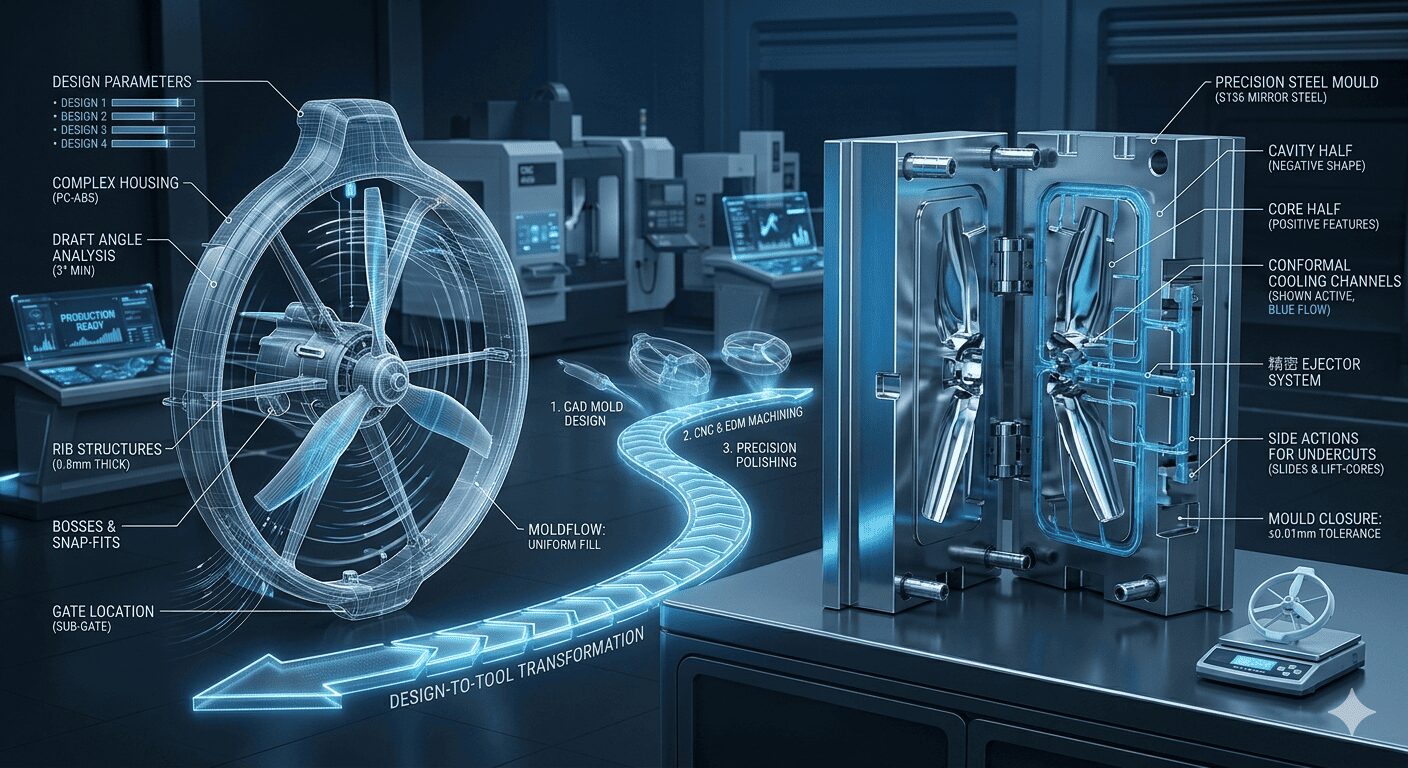
A mould is not just a project milestone. It is the operating foundation for every part that follows. That is why the best tooling decisions are made with production in mind from day one.
If your team is sourcing custom plastic components, look beyond whether the tool can be built. Ask whether it can be built to run cleanly, adapt when needed, and support output without constant intervention. That is what precision looks like in manufacturing.
When the tool is right, everything downstream gets easier – quality control, scheduling, maintenance, and customer delivery. That is the kind of advantage that shows up not only in the first samples, but in every production run after them.
Contact us today to discuss your project requirements or request a quotation. Let’s build a production process you can depend on.