A moulded part is rarely the finished part. In production, the real test often starts after ejection – when a component needs trimming, welding, printing, plating, assembly, or packaging before it is ready for the customer’s line. That is where secondary processing for plastic parts becomes a manufacturing decision, not just a finishing step.
For OEMs, product developers, and procurement teams, this stage affects cost, lead time, cosmetic quality, and field performance. A part that looks acceptable at the press can still fail in assembly, carry visual defects, or require too much manual handling downstream. When secondary operations are planned correctly, the part moves through production with fewer delays and less variability. When they are treated as an afterthought, the same part becomes expensive very quickly.
What secondary processing for plastic parts includes
Secondary processing for plastic parts refers to any operation performed after the moulding cycle to bring the component to final specification. The exact steps depend on geometry, resin, end use, cosmetic expectations, and assembly requirements.
In practice, this can include gate and flash trimming, drilling, tapping, ultrasonic welding, heat staking, pad printing, laser marking, hot stamping, painting, plating, insert fitting, sub-assembly, labelling, and custom packaging. Some parts need only a simple trim. Others move through several controlled operations before they can be packed and shipped.
The key point is that these processes are not separate from manufacturing quality. They are part of it. A moulded housing with a perfect cavity finish still fails the commercial requirement if the logo is misprinted, the weld line is weak, or the assembled insert sits out of position.
Why does this stage have a direct effect on part cost
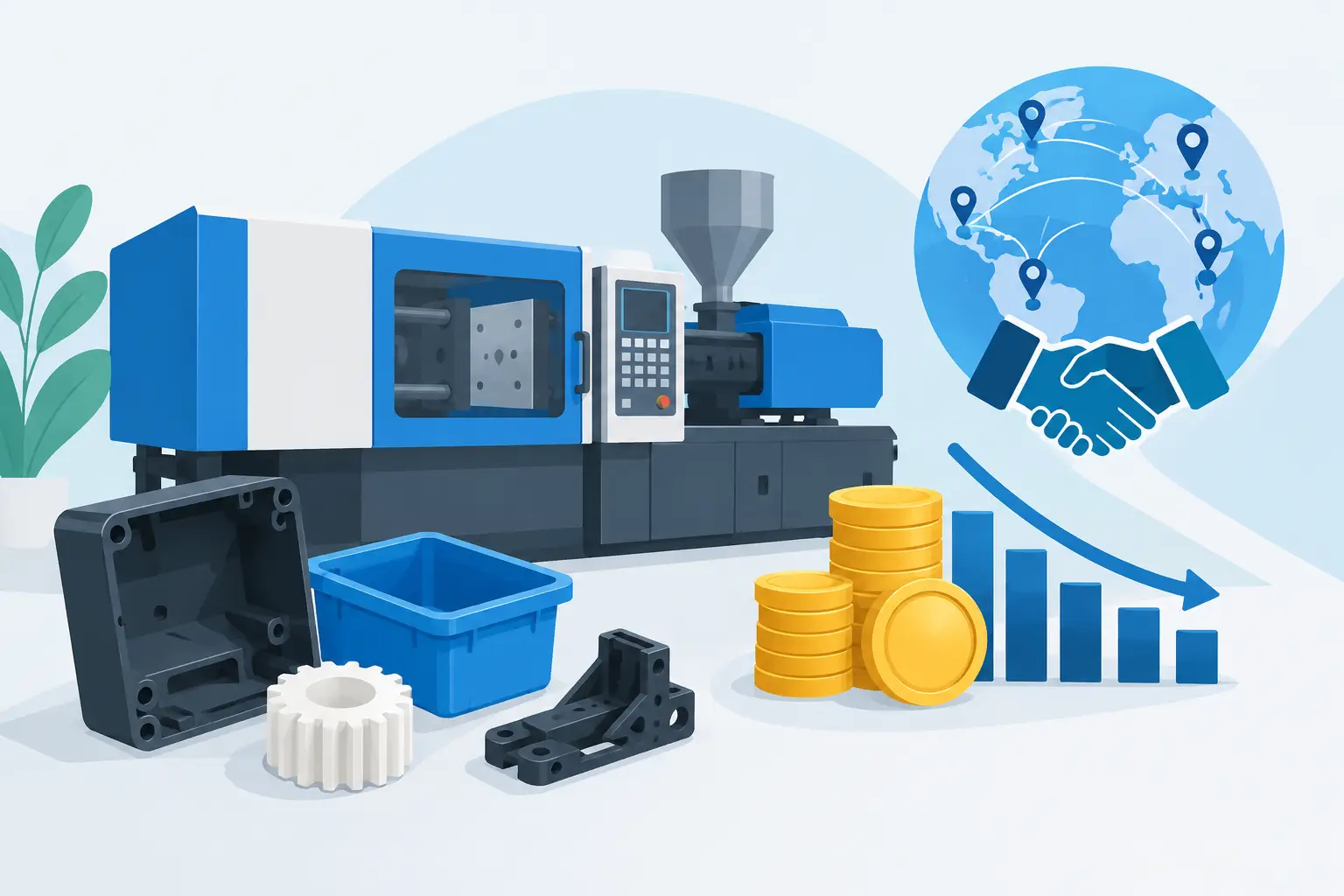
Secondary operations add value, but they also add labour, fixturing, inspection, handling, and cycle time. That makes process selection critical.
A low-cost moulded part can become a high-cost finished part if it requires too many manual steps. For example, trimming multiple gate points by hand may seem manageable at prototype volume, but at repeat production scale, it creates inconsistency and labour exposure. The better approach may be mould modification, automation, or redesigning the gate strategy early.
The same trade-off applies to decoration and assembly. Printing after moulding may be the right choice for branding flexibility, but moulded-in texture or colour may reduce total processing cost if the aesthetic requirement is stable. Ultrasonic welding may produce a cleaner and more repeatable enclosure than adhesive bonding, but only if the joint design supports it.
This is why experienced manufacturers review secondary operations during part development, not after tooling is complete. The goal is not just to mould the part. The goal is to produce the finished part efficiently, at repeatable quality, over the full life of the program.
Common secondary processes and where they fit
Trimming and deflashing
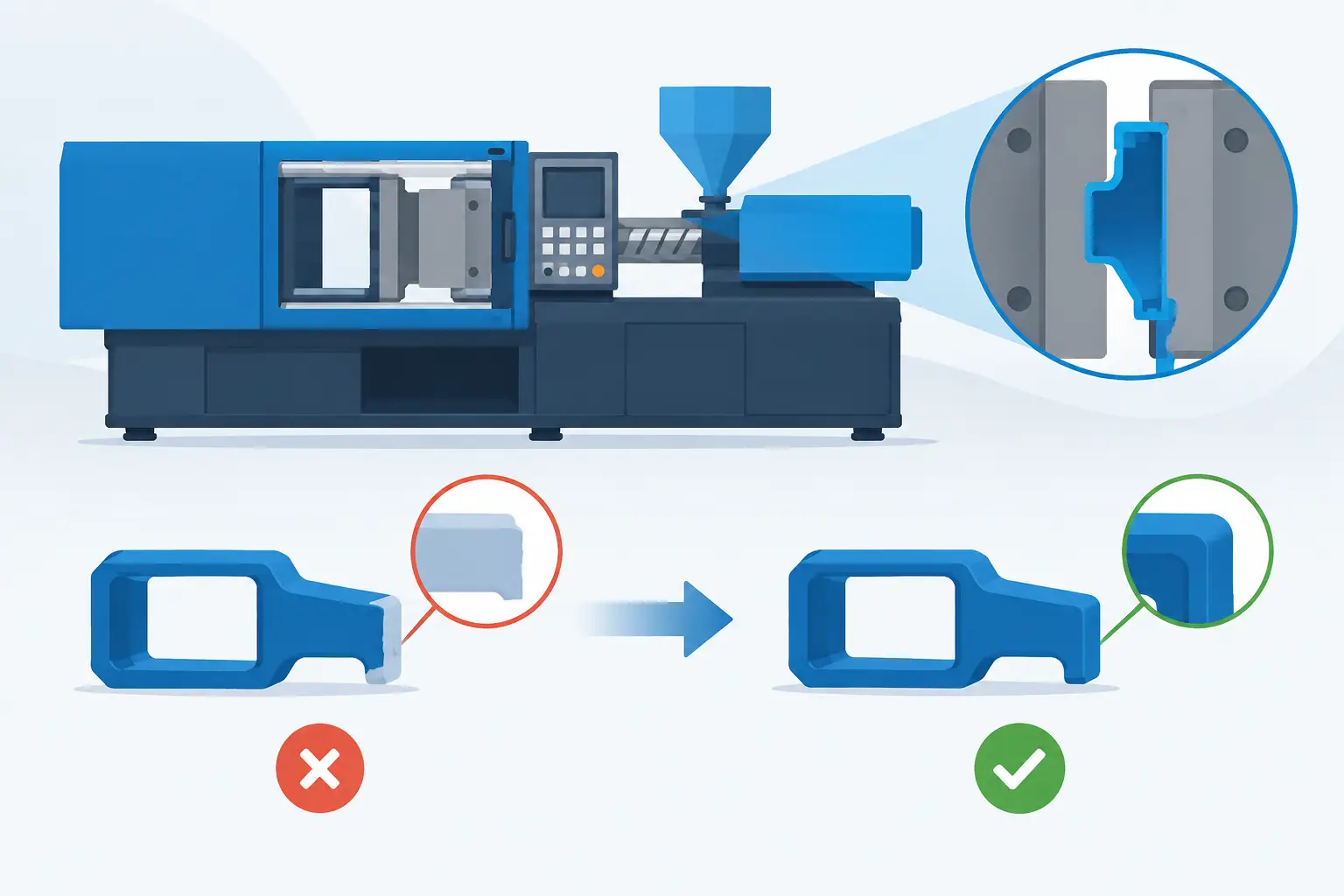
This is one of the most common post-mould requirements. Excess material from gates, runners, or parting lines must be removed without damaging the part surface or changing critical dimensions.
For simple parts, manual trimming may be sufficient. For tighter tolerances or larger volumes, dedicated fixtures and controlled cutting methods improve consistency. The right choice depends on annual volume, cosmetic sensitivity, and the risk of operator variation.
Drilling, tapping, and machining
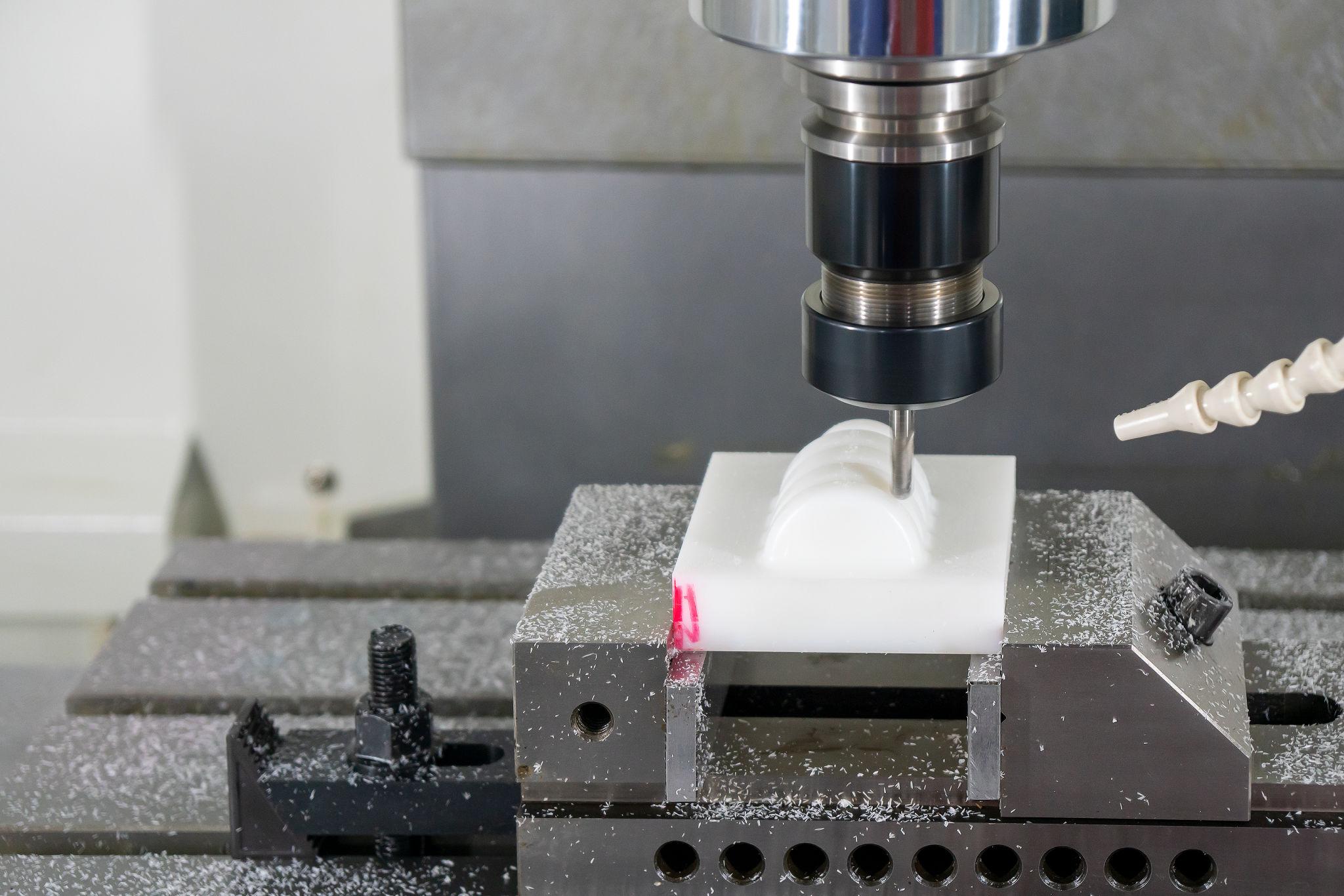
Some moulded components need features that are more practical to add after moulding. This may include drilled holes, threads, slots, or precision surfaces.
Post-mould machining gives flexibility, but it introduces another tolerance stack. Resin type matters here. Filled materials, brittle plastics, and thin-wall parts all respond differently to secondary cutting operations. If the feature can be moulded reliably, that is often preferable. If not, machining must be controlled with the right tooling and part support.
Welding and heat staking
When two plastic components must be joined permanently, ultrasonic welding and heat staking are common solutions. These processes are often used for housings, covers, fluid-control parts, and components that contain inserts or internal subassemblies.
Joint design matters as much as machine settings. Energy directors, material compatibility, wall thickness, and part flatness all influence weld quality. A strong welding process starts in design review, not at the production cell.
Printing, marking, and cosmetic finishing
Branding, traceability, safety instructions, and decorative surfaces often require additional processing. Pad printing, laser marking, hot stamping, painting, and plating are all used depending on the visual standard and functional requirement.
Not every finish performs the same in the field. A part used in an electrical enclosure, bathroom accessory, or automotive interior may face abrasion, moisture, chemicals, or UV exposure. The finish must match the environment. Cosmetic processing is not only about appearance. It is also about durability and consistency across production batches.
Assembly and kitting
Many buyers do not want loose moulded parts. They need assembled components ready for installation, final packaging, or direct shipment to a production site.
This may include fitting inserts, adding seals, joining subcomponents, applying labels, or organising complete kits. Bringing these steps into one manufacturing flow reduces handoffs and simplifies accountability. It also shortens the path between inspection and delivery.
Why in-house control matters in secondary processing
The biggest production risk in secondary operations is fragmentation. When moulding happens in one facility, printing in another, assembly somewhere else, and quality checks in between, lead time expands and responsibility gets blurred.
In-house control changes that. Tooling, moulding, secondary processing, and quality assurance can be aligned around the same production standard. If a weld issue appears, the team can review both the moulded geometry and the assembly fixture. If a printed surface shows inconsistency, resin behaviour and moulding conditions can be checked immediately. Problems are solved faster because the full process is visible.
This matters even more when launch timing is tight. A supplier that can modify moulds, adjust process parameters, and refine downstream operations internally has a practical speed advantage. Glasfil’s model is built around that kind of integration – turning moulded components into finished production parts without forcing customers to coordinate multiple vendors.
Designing parts with secondary processing in mind
A well-designed plastic part not only suits the mould. It suits the complete production route.
That means engineers should evaluate where the part will be trimmed, how it will be held during printing, whether the weld joint is accessible, how inserts will be loaded, and what surfaces must remain cosmetic. These details affect fixture design, inspection methods, and scrap risk.
There is often an it depends decision between adding complexity to the mould and shifting work to post-mould operations. A more advanced tool may reduce labour later. In other cases, a simpler mould with controlled secondary processing is the better commercial choice. The right answer depends on projected volume, product life, revision risk, and target price.
Early engineering review is where these trade-offs get resolved. That is also where manufacturers can flag avoidable issues such as unsupported walls during staking, poor weld geometry, or cosmetic zones placed too close to gate vestige areas.
Quality expectations should extend past the press
For production teams, one of the most common mistakes is inspecting moulded parts well but treating secondary operations as routine. In reality, many customer complaints originate after moulding.
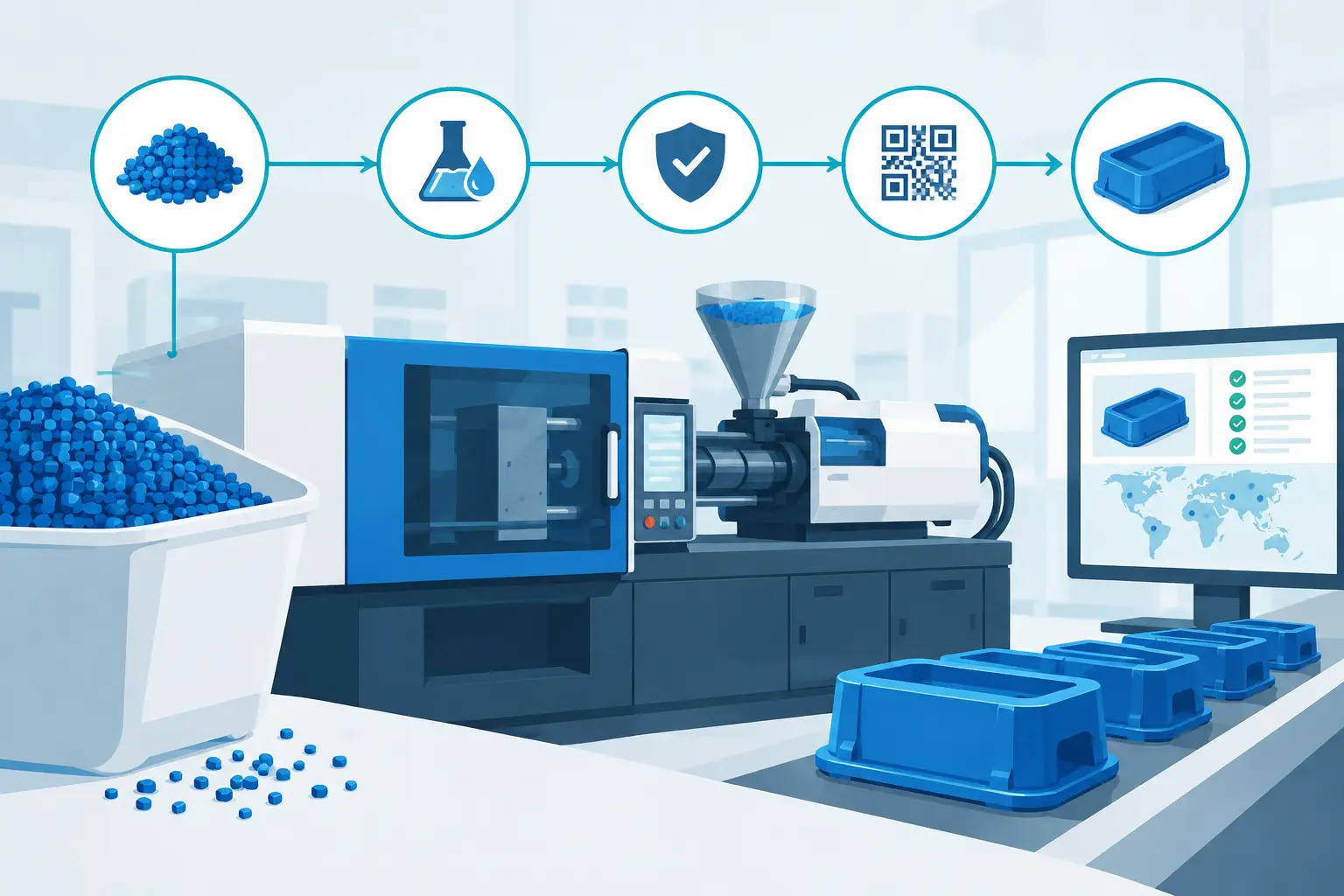
Misaligned assemblies, incomplete trimming, weak welds, cosmetic marks, poor adhesion, and missing components can all pass through if downstream controls are weak. That is why inspection plans should include secondary processes as defined quality checkpoints, not general visual reviews.
Depending on the part, this may involve fixture-based checks, pull testing, torque testing, print adhesion checks, dimensional verification after assembly, or lot traceability tied to each process stage. The point is straightforward: finished-part quality is what the customer receives, so finished-part quality is what must be controlled.
Choosing a manufacturing partner for finished plastic parts
If your program requires more than moulded output, ask practical questions early. Can the supplier handle tooling changes in-house if a secondary step exposes a design issue? Can they maintain repeatability across moulding, finishing, and assembly? Can they support both launch speed and repeat production stability?
A capable partner should be able to explain not only what secondary processes are available, but when each one makes commercial sense. They should also be able to identify where a part can be simplified, where labour can be reduced, and where quality risk is likely to appear.
That is the difference between a vendor that ships plastic pieces and a manufacturer that delivers production-ready components.
For buyers managing deadlines, cost pressure, and quality targets at the same time, secondary processing is not a minor detail. It is where moulded parts become usable products. Get that stage right, and the entire supply chain runs with less friction.
Contact us today to discuss your project requirements or request a quotation. Let’s build a production process you can depend on.