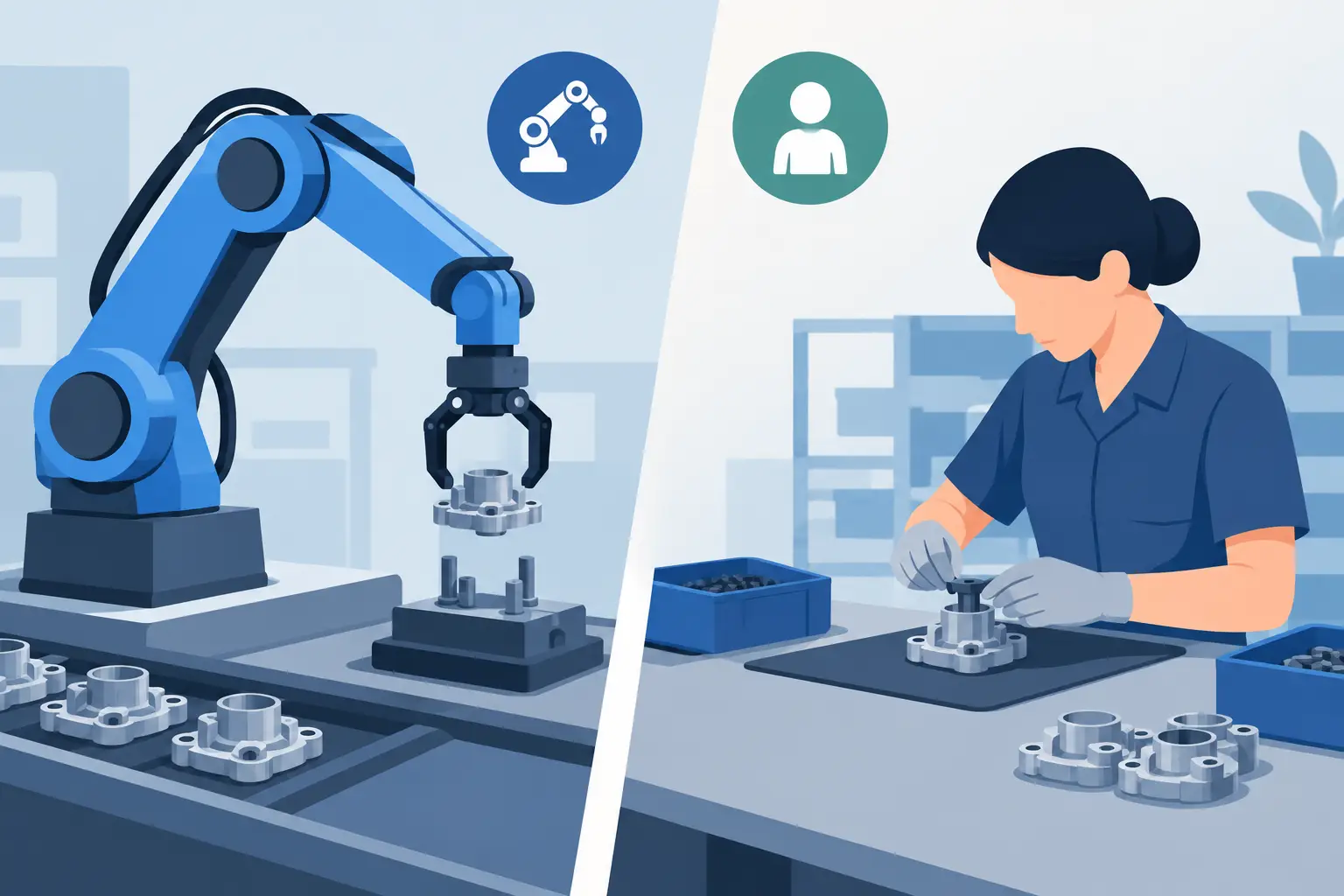
A part can look correct in a prototype run and still create expensive problems once production begins. Sink marks, warpage, inconsistent dimensions, difficult ejection, slow cycle times, and premature tool wear often appear only when a component is molded repeatedly under real operating conditions. That is why the decision between prototype versus production moulds should be made around the product’s commercial and technical requirements, not simply the lowest initial tooling price.
For OEMs, product developers, and procurement teams, the right tool strategy protects both launch timing and long-term unit cost. Prototype tooling helps answer, “Does this design work?” Production tooling answers, “Can we make this part reliably, at the required volume, for years?” Those are related questions, but they require different tooling decisions.
Prototype Versus Production Moulds: The Core Difference
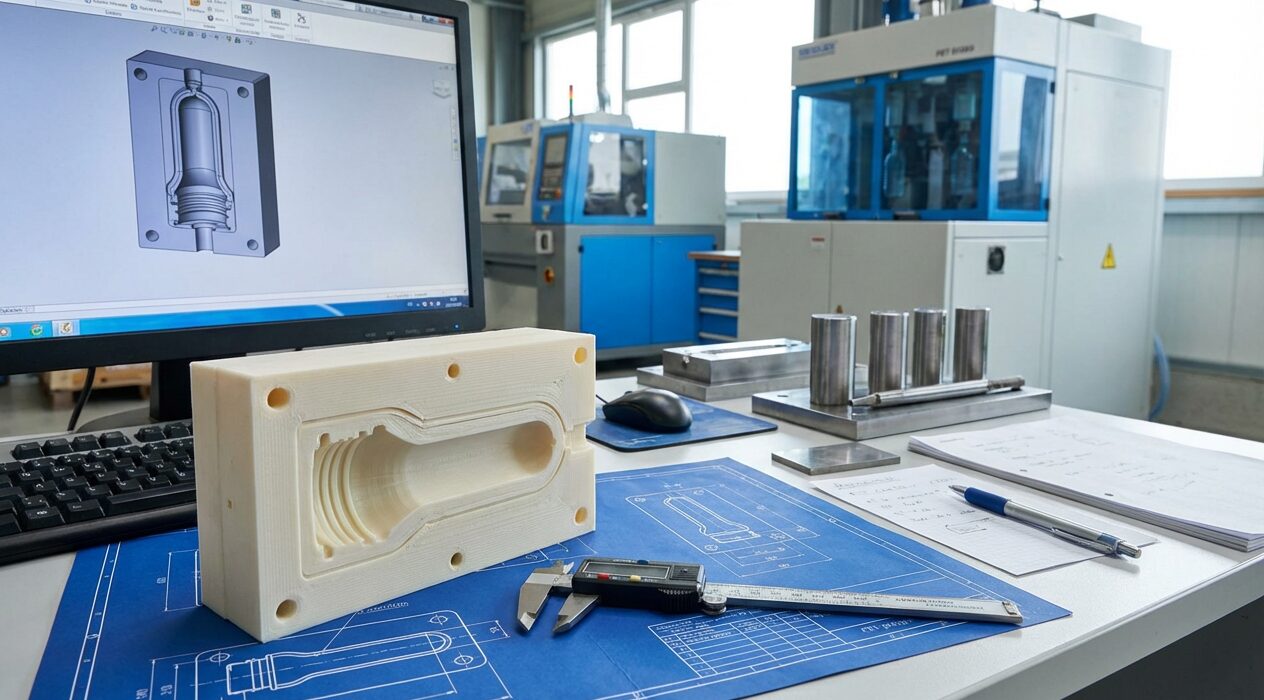
A prototype mould is built to validate a design quickly. It is commonly used to test part fit, function, assembly, appearance, material behavior, and early market demand before committing to a full production program. The tool may use a simpler construction, fewer cavities, a less automated ejection system, and materials selected for speed and cost rather than maximum service life.
A production mould is engineered for repeatability. It must maintain dimensional control across long runs, withstand repeated injection pressure and thermal cycling, support the required cycle time, and produce parts consistently within an agreed quality standard. Its design considers steel selection, cooling efficiency, gating, venting, wear surfaces, maintenance access, automation, and the expected production volume.
Neither option is automatically better. A prototype mould is the sensible choice when the design is still moving. A production mould is the stronger investment when specifications are stable, demand is established, and supply continuity matters.
What Prototype Moulds Are Built to Prove
Prototype tooling is most valuable when uncertainty remains in the part, not in the manufacturing partner. Before investing in hardened production tooling, a prototype run can reveal whether a wall thickness needs adjustment, a snap fit has enough flexibility, an assembly clears adjacent components, or a selected resin achieves the needed impact resistance and surface finish.
This stage is especially useful for complex parts with internal features, cosmetic requirements, or interfaces with metal, electronics, seals, and other molded components. A digital model can predict many issues, but it cannot fully replicate resin flow, shrinkage, weld lines, texture response, or the practical behavior of a part on an assembly line.
Prototype moulds can also support low-volume applications. Replacement components, specialist industrial equipment, pre-launch samples, and limited market tests may not justify a high-output production tool. In these cases, a well-designed prototype tool can provide usable parts without overcapitalizing the project.
The trade-off is clear: prototype tools are generally not designed for extended high-volume output. Their cycle times may be slower, cavity count lower, and dimensional stability less durable over repeated runs. Using a prototype tool beyond its intended life can create variable quality and higher maintenance costs that erase the apparent upfront savings.
What Production Moulds Are Built to Deliver
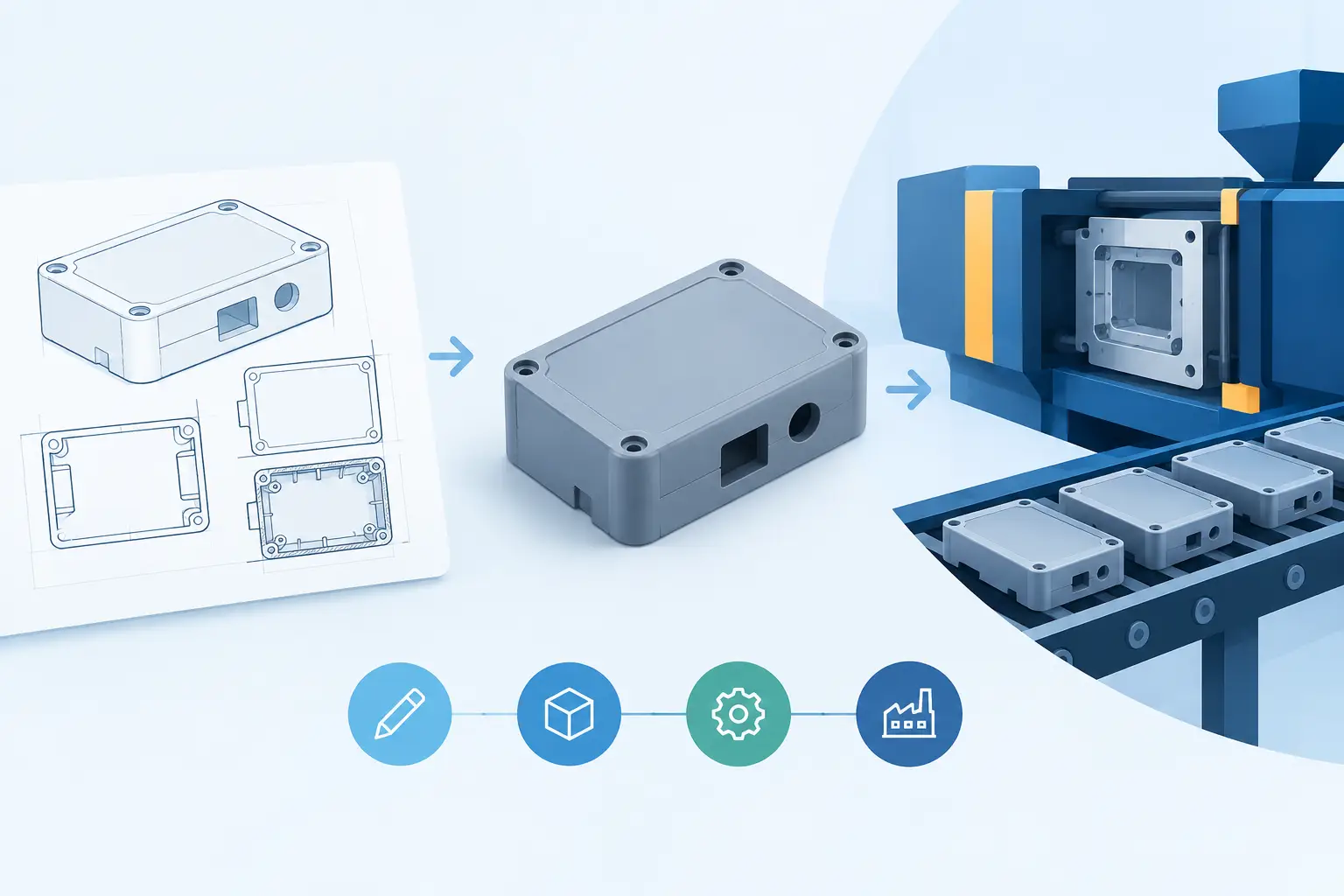
Production tooling turns an approved part design into a controlled manufacturing process. The objective is not merely to mold a part that looks right once. It is to mold thousands or millions of parts that meet the same requirements across shifts, batches, and delivery schedules.
Tool steel selection is a central decision. Softer materials may be appropriate for lower-volume applications or less abrasive resins. Hardened steels are often required where production volumes are high, tolerances are tight, or the material contains glass fiber or other fillers that accelerate wear. The correct choice depends on the resin, geometry, annual demand, surface requirements, and maintenance plan.
Cooling is equally important. Efficient, balanced cooling shortens cycle time and reduces the risk of warpage. Gate design affects filling, packing, appearance, and stress in the finished part. Venting prevents trapped air from causing burn marks or incomplete filling. Ejection must release the part without distortion or visible witness marks. These details determine whether a tool can sustain production performance, not just make a successful first sample.
For a business buyer, this is where tooling cost should be evaluated against total cost of ownership. A production mould may carry a higher initial price, but it can lower the cost per part through faster cycles, reduced scrap, fewer interruptions, and longer operating life.
The Decision Starts With Demand and Design Stability
The most practical way to select tooling is to assess the project across four connected factors:
- Expected volume: A few hundred parts, a few thousand parts, and recurring annual production require very different tool designs.
- Design maturity: If dimensions, material, aesthetics, or assembly interfaces are likely to change, prototype tooling reduces the risk of modifying an expensive production mould too early.
- Quality requirements: Tight tolerances, cosmetic surfaces, safety-critical performance, and regulated applications usually demand greater process control.
- Launch timeline: A fast prototype can accelerate validation, while early production-tool engineering can prevent delays once the design is approved.
These factors should be reviewed together. For example, a high-volume program with an unstable design may need a staged approach: prototype tooling for functional validation, followed by a production tool once the critical dimensions and material selection are locked. Conversely, a stable low-volume component may be well served by a durable but simplified tool rather than a highly automated multi-cavity system.
Avoid the False Economy of a Single Tooling Decision
One common mistake is treating prototype and production tooling as entirely separate purchases. In a well-managed program, prototype results should inform production-tool design. Flow behavior, shrinkage data, ejection concerns, parting-line feedback, and actual assembly performance all provide useful engineering input before the production mould is fabricated.
Another mistake is building a low-cost tool without defining the production expectation. If the part is expected to grow from an initial order into recurring supply, the mould concept should account for that possibility. It may be possible to plan for future cavity additions, standardized mould bases, interchangeable inserts, or material upgrades. Not every program needs these provisions, but discussing them early avoids unnecessary rework later.
The opposite problem also occurs. Some projects invest in a highly specified production mould before confirming the market, design, or material. If the product is still under development, the cost of engineering changes can be substantial. Tool modification capability matters because changes are sometimes unavoidable, but a staged validation process keeps those changes manageable.
Material Choice Can Change the Tooling Requirement
The same part geometry can require a different mould strategy when the resin changes. Commodity plastics, engineering resins, flame-retardant grades, glass-filled materials, and recycled-content compounds each behave differently in the mold.
Glass-filled polymers, for example, can increase wear on gates, runners, cavities, and moving components. High-temperature materials may require more capable temperature control. Resins with significant shrinkage require careful attention to dimensional allowances. Cosmetic parts may need specialized surface finishes, controlled gate placement, and more precise process development to avoid visible defects.
This is why material selection should not be finalized independently of the tooling discussion. A manufacturing partner should review the part geometry and intended resin together, then advise whether the proposed tool construction can achieve the needed life, appearance, and production rate.
Plan for Maintenance Before Production Begins
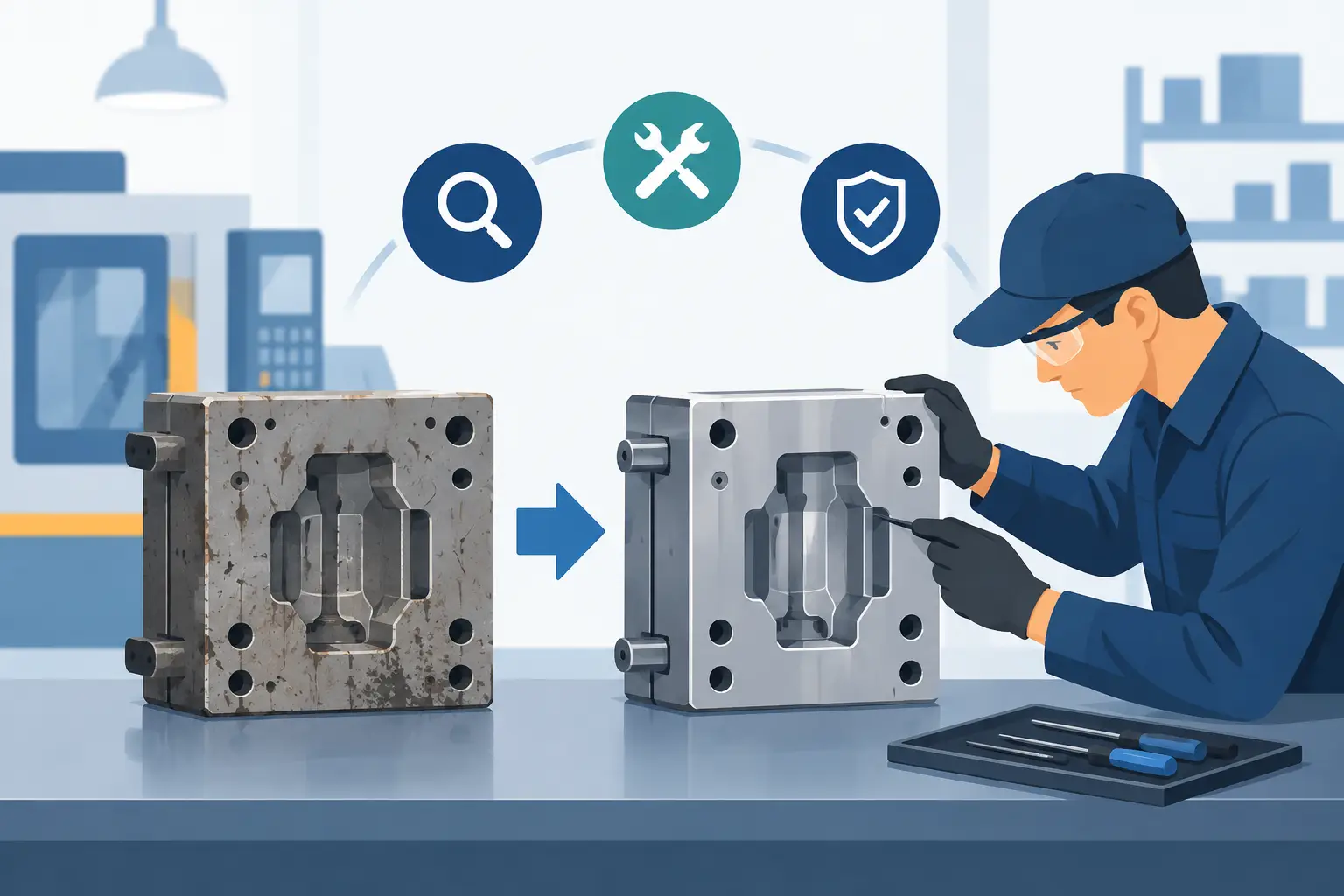
A production mould is an operating asset. Like any production asset, it performs best when inspection and maintenance are planned rather than delayed until defects appear. Regular cleaning, lubrication, cooling-channel checks, vent maintenance, wear-surface inspection, and replacement of components such as ejector pins help preserve part quality and protect uptime.
In-house mould maintenance and modification capability becomes particularly valuable when a production issue needs immediate attention. Sending a tool to a separate repair source adds lead time, transport risk, and communication gaps. When tooling, molding, quality control, and engineering work within one operation, root causes can be investigated faster and corrective action can be coordinated around the actual production process.
At Glasfil, the ability to design, fabricate, modify, maintain, and run moulds in-house supports this level of control from development samples through repeat production.
Choose the Tooling Path That Protects the Product
The best tooling decision is not based on whether prototype or production moulds are cheaper. It is based on which option removes the most risk at the current stage of the product lifecycle. Prototype tooling gives teams evidence before they commit. Production tooling gives them consistency once they are ready to scale.
Before requesting a quote, define the expected annual volume, target resin, key tolerances, cosmetic requirements, launch date, and likely design changes. That information allows the tooling strategy to be engineered around the part’s real business case, rather than forcing the product to fit a generic mould solution.
Contact us to discuss your project, request a quotation, or arrange a technical consultation. Our team will help you determine the most cost-effective and reliable way to manufacture your part.