A plastic part can look simple on a screen and still become the reason a product launch slips. The usual cause is not the molding machine. It is a sourcing decision made before the supplier has enough information to engineer the tool, select the right resin, or identify production risk. Knowing how to source plastic parts means treating the purchase as a manufacturing program, not a line item on an RFQ.
For OEMs, product developers, and procurement teams, the objective is not merely to find the lowest piece price. It is to secure repeatable parts that meet functional requirements, arrive on schedule, and can scale without constant quality intervention. That requires clear technical inputs and a supplier with control over the steps that determine the final result.
Start With the Part’s Function, Not Its Appearance
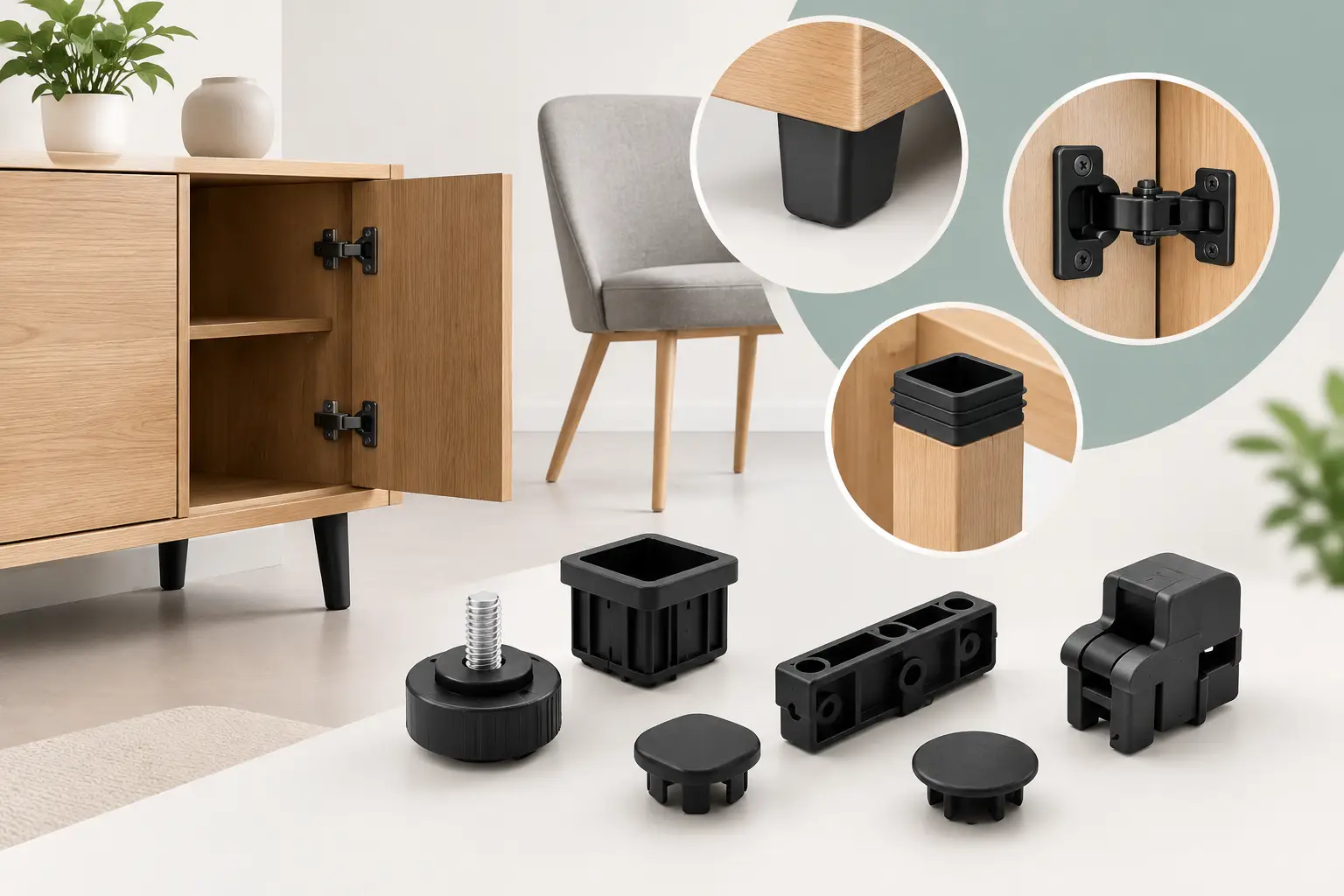
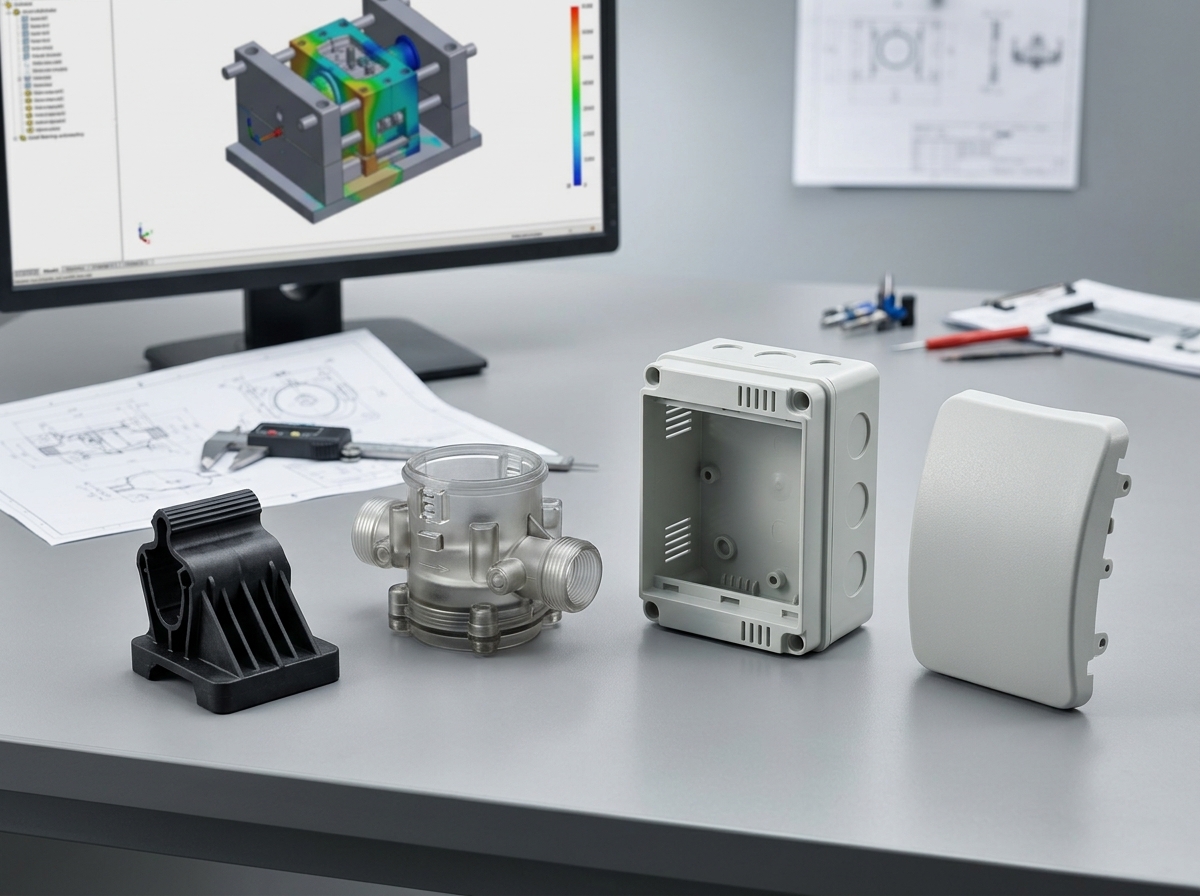
Before contacting suppliers, define what the component must do in the finished product. A cosmetic cover, a water meter housing, an electrical enclosure, and a load-bearing automotive clip may all be injection molded, but they demand different decisions around material, tolerances, tooling, testing, and finishing.
Start with a current 3D CAD model and a 2D drawing that identifies critical dimensions, acceptable tolerances, surface requirements, assembly interfaces, and inspection points. If the part mates with another component, provide the mating geometry or an assembly model. A supplier cannot reliably hold an interface it cannot see.
Material requirements should go beyond a generic instruction such as use ABS or nylon. Specify the required properties: impact resistance, stiffness, heat performance, UV exposure, flame rating, chemical resistance, electrical behavior, color stability, or food-contact compliance where applicable. The exact grade matters. A glass-filled nylon may solve a strength requirement while introducing warpage that affects an assembly. A less rigid material may mold more consistently but require changes to wall thickness or rib design.
Annual volume and expected order pattern are equally important. A tool designed for a few thousand parts per year is not necessarily the right choice for sustained, high-volume production. Cavity count, tool steel, automation, maintenance planning, and unit cost all depend on demand.
How to Source Plastic Parts With the Right Process
Injection molding is often the best process for repeat production, complex geometry, and consistent part quality. It is not automatically the best starting point for every program. For early design checks or very low quantities, 3D printing, CNC machining, or soft tooling may be more economical and faster to revise.
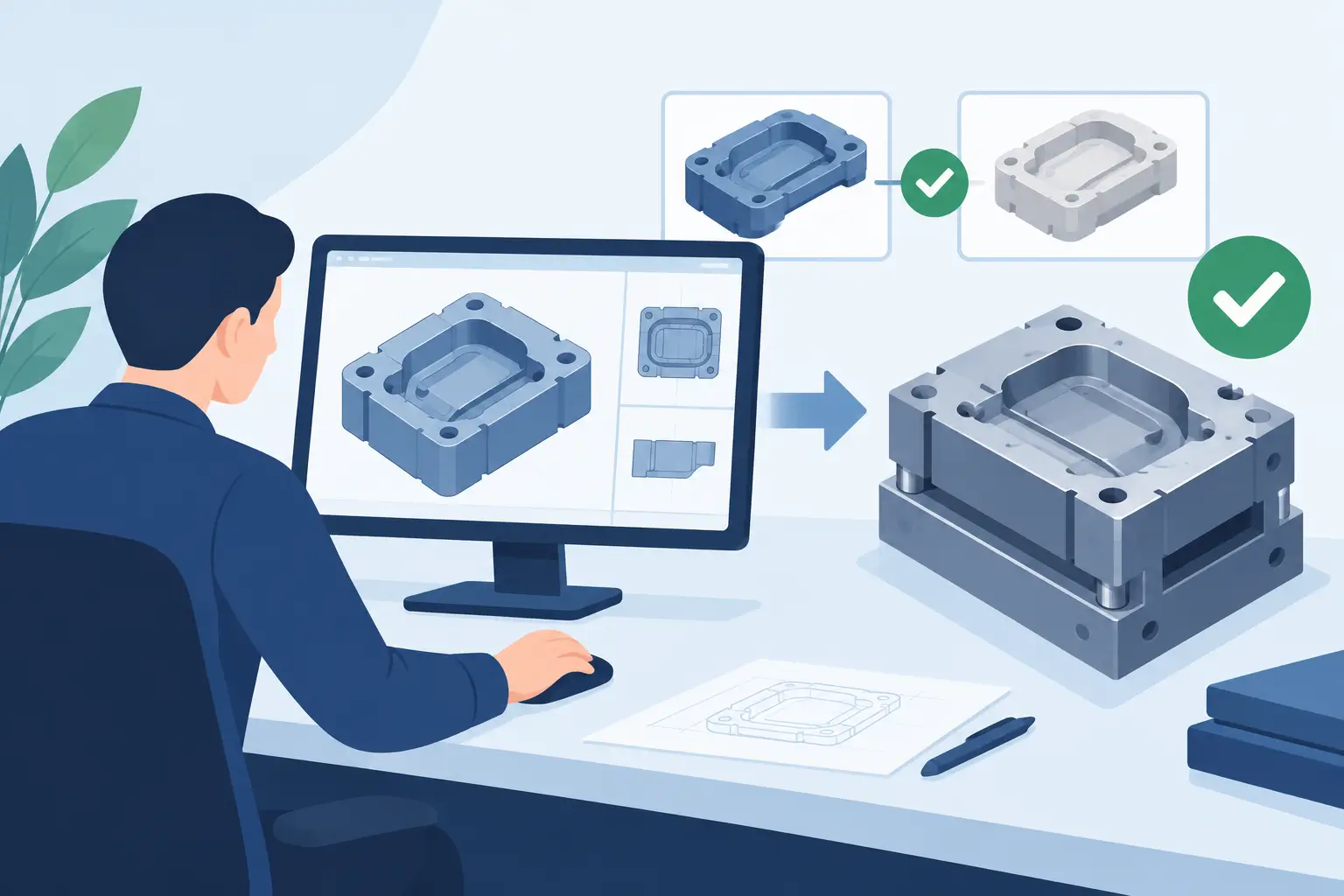
Once demand justifies production tooling, evaluate the part for manufacturability before the mold design is released. This design-for-manufacturing review should examine wall thickness, draft angles, undercuts, gate location, weld lines, sink risk, parting lines, ejection, cooling, and expected shrinkage. These are not secondary details. They directly affect cosmetic quality, cycle time, tooling complexity, and scrap rate.
For example, an undercut may require a side action or lifter. That feature can be necessary, but it increases tool cost, maintenance needs, and cycle complexity. In some cases, a small design change removes the undercut without changing product performance. In others, the added mechanism is the correct decision because assembly or user function depends on it. The right answer depends on the part, not on a blanket rule to simplify everything.
A capable supplier should explain these trade-offs in production terms. If a design change reduces tool risk but compromises the customer-facing surface, the decision should be visible before steel is cut.
Evaluate Tooling Control Before Comparing Piece Prices
The mold determines much of the part’s quality and long-term consistency. That is why sourcing plastic parts from a company that controls mold design, fabrication, modification, and maintenance offers a practical advantage. When tooling work is outsourced across separate companies, revisions can take longer, responsibility becomes fragmented, and production feedback may not reach the toolmaker quickly enough.
Ask prospective suppliers where molds are designed and built, who performs modifications, and how tool maintenance is managed after production begins. Also ask about their machine range. A supplier may be technically strong but lack the press size, injection capacity, or automation needed for your part and projected volume.
Tool ownership and access should be clear in the commercial agreement. Define who owns the mold, where it will be stored, what preventive maintenance is included, how engineering changes are approved, and what happens if production requirements change. These details protect both continuity and future flexibility.
Glasfil operates with in-house mold design, fabrication, modification, and maintenance capability, which allows tooling decisions and molding feedback to remain under one production team. For programs with tight launch dates, that level of control can reduce avoidable handoffs.
Issue an RFQ That Produces Comparable Quotes
A vague request produces vague pricing. One supplier may quote a single-cavity mold, another may assume multiple cavities, and a third may exclude inspection fixtures, finishing, or packaging. The cheapest quote can become the highest total cost once missing requirements appear.
A complete RFQ package should include these distinct items:
- 3D models and controlled 2D drawings with revision status
- Material specification, color, regulatory needs, and approved alternatives
- Annual volume, release schedule, target launch date, and forecast assumptions
- Quality requirements, packaging expectations, secondary operations, and delivery destination
Request separate pricing for tooling, samples, production parts, secondary operations, packing, and logistics where relevant. This makes it easier to compare suppliers on the same basis. It also reveals whether a quoted piece price relies on unrealistic volumes, minimal inspection, or omitted finishing work.
Be direct about target cost, but do not use it as a substitute for technical scope. A capable manufacturer can often suggest cost reductions through material alternatives, geometry adjustments, cavity strategy, or assembly consolidation. Those savings are most useful when the supplier understands the functional constraints first.
Verify Quality Before You Scale
The first molded samples are a decision point, not a formality. They should be evaluated against the drawing, the assembly, and the real operating environment. Dimensional inspection alone is not enough if the part must snap into a housing, seal against water, withstand repeated movement, or maintain appearance after exposure to heat and chemicals.
Agree on the approval process before sampling begins. Depending on the application, this may include first article inspection, dimensional reports, color approval, functional testing, capability studies, and retained reference samples. Critical-to-quality features should be identified early so they receive appropriate measurement attention during production.
It is also worth distinguishing between a sample that can be made once and a process that can be repeated thousands of times. Suppliers should demonstrate process discipline through documented setup parameters, material handling controls, in-process checks, traceability, and final inspection procedures. For regulated or high-consequence applications, the evidence required will be greater. For a basic noncritical component, a simpler control plan may be appropriate.
Plan for the Full Supply Chain, Not Just Mold Completion
A completed mold is not the same as a production-ready supply chain. Ask how the supplier will manage raw material availability, color masterbatch, inserts, secondary operations, packaging, and shipping. If parts require pad printing, ultrasonic welding, assembly, or custom packing, determine whether those steps are managed internally or through qualified partners.
Lead time should be discussed in phases: design review, tool manufacture, first trials, corrections, approval, production, and transport. A stated completion date is meaningful only when responsibilities for approvals and design feedback are equally clear on the customer side.
For repeat programs, establish sensible inventory and reorder arrangements. The best approach depends on part value, storage life, demand volatility, and the cost of a line stoppage. Holding excessive stock ties up capital, but running with no buffer can expose an OEM to avoidable disruption. The answer is usually a planned balance rather than an extreme.
Choose a Manufacturing Partner That Can Resolve Problems
Every production program encounters changes. A dimension may need adjustment after assembly testing. A resin may become difficult to source. A cosmetic standard may be tightened. What matters is how quickly the supplier can diagnose the cause, modify the tool when necessary, and return the process to control.
When evaluating a manufacturer, look beyond certifications and presentation samples. Ask how engineering changes are handled, how nonconforming parts are contained, who owns project communication, and whether the same team can support the part from design review through shipping. Strong sourcing decisions favor operational visibility over assumptions.
The best time to prevent a production delay is before the first tool drawing is approved. Give your supplier the functional requirements, forecast, and quality expectations needed to make sound engineering choices, then select a partner that has the equipment, tooling control, and accountability to carry those choices into repeatable production.
Contact us to discuss your project, request a quotation, or arrange a technical consultation. Our team will help you determine the most cost-effective and reliable way to manufacture your part.