A product can look right in CAD and still fail the moment it hits the toolroom. Wall thickness may be inconsistent. Undercuts may add needless complexity. A part that seemed inexpensive on paper can become costly once cycle time, shrinkage, assembly fit, and tooling changes enter the picture. That is why research and development product design matters long before production starts.
For manufacturers and OEMs working with plastic components, R&D is not a separate creative phase sitting outside operations. It is the stage where design intent meets manufacturing reality. Done well, it shortens lead times, reduces tool modification, improves part consistency, and protects launch schedules. Done poorly, it creates a chain of avoidable delays that shows up in cost, quality, and customer confidence.
What research and development product design really means
In industrial manufacturing, research and development product design is the process of turning an idea, sample, or early concept into a product that can be produced repeatedly and economically. It includes design refinement, material selection, manufacturability review, tooling strategy, functional validation, and preparation for repeat production.
This is where many teams discover the difference between a product concept and a production-ready part. A concept proves that something should exist. A production-ready design proves it can be molded, finished, inspected, packed, and shipped at the required quality level and volume.
That distinction matters. Procurement teams may be focused on price. Engineers may be focused on function. Product managers may be focused on speed. Research and development sits in the middle and aligns all three. It asks practical questions early, when they are still affordable to answer.
Why it matters in plastic part manufacturing
Plastic injection molding is precise, but it is not forgiving of weak early decisions. Small design choices affect mold complexity, cooling behavior, part warpage, surface quality, gate location, and assembly performance. Once steel is cut, changes become slower and more expensive.
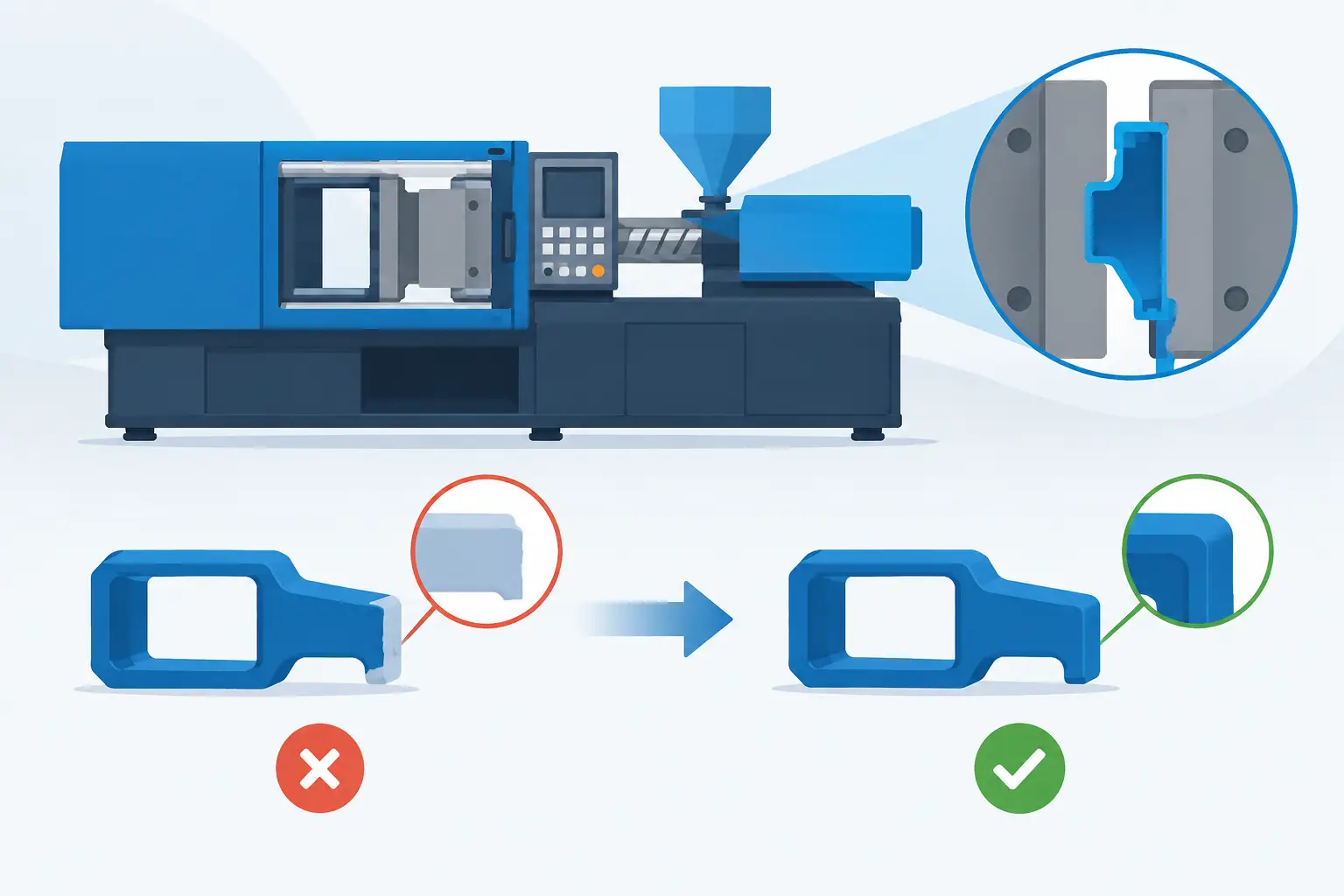
A strong R&D process reduces that risk by checking whether the design suits the manufacturing method. For example, adding a rib may improve stiffness without increasing wall thickness. Adjusting draft angles may improve ejection and protect cosmetic surfaces. Revising geometry may allow a simpler tool design or reduce the need for secondary operations.
There are trade-offs, and this is where experienced manufacturing input becomes valuable. The lightest part is not always the easiest to mold. The lowest tooling cost is not always the best long-term production choice. The fastest launch is not always the least expensive if it creates recurring quality issues later. Good product design work handles these decisions before they become production problems.
The stages of research and development product design
Concept review and feasibility
The first step is to evaluate what the part needs to do, where it will be used, and how it will be made. That can begin with a sketch, 3D file, physical sample, or even a discontinued component that needs to be replicated.
At this stage, the focus is not decoration. It is feasibility. Engineers review geometry, tolerances, use conditions, expected volumes, and assembly requirements. If the part will be exposed to heat, load, moisture, chemicals, or UV, those factors affect material and design decisions immediately.
Design for manufacturability
This is where the product starts becoming real. Design for manufacturability means adjusting the part so it can be molded efficiently and consistently. Wall sections, ribs, bosses, shut-offs, gate positions, and draft all need to support stable production.
This stage often determines whether a product launch will stay on schedule. A design can be technically possible but still poor for production. If it requires frequent adjustments, long cycles, or difficult demolding, the cost of those issues continues for every run.
Material selection and performance planning
Material choice is not just a datasheet decision. It affects shrinkage, strength, finish, dimensional stability, and long-term performance. A bathroom accessory, an automotive clip, and an electrical housing may all be molded, but they will not be designed around the same priorities.
Sometimes a lower-cost resin works well enough. Sometimes it creates avoidable failures in fit or durability. The right decision depends on environment, compliance requirements, and expected service life. This is one of the most common places where product design and purchasing priorities can conflict, so it needs clear technical judgment.
Prototyping, testing, and revision
Not every project needs the same level of prototype work, but most benefit from early validation. Prototypes help verify fit, function, assembly, and user interaction before full tooling is complete. They also reveal issues that CAD alone may not show.
Testing may include dimensional checks, assembly trials, performance evaluation, or limited-use simulation. The goal is not perfection in one pass. The goal is to identify the right changes before production scale makes those changes costly.
Tooling alignment and production readiness
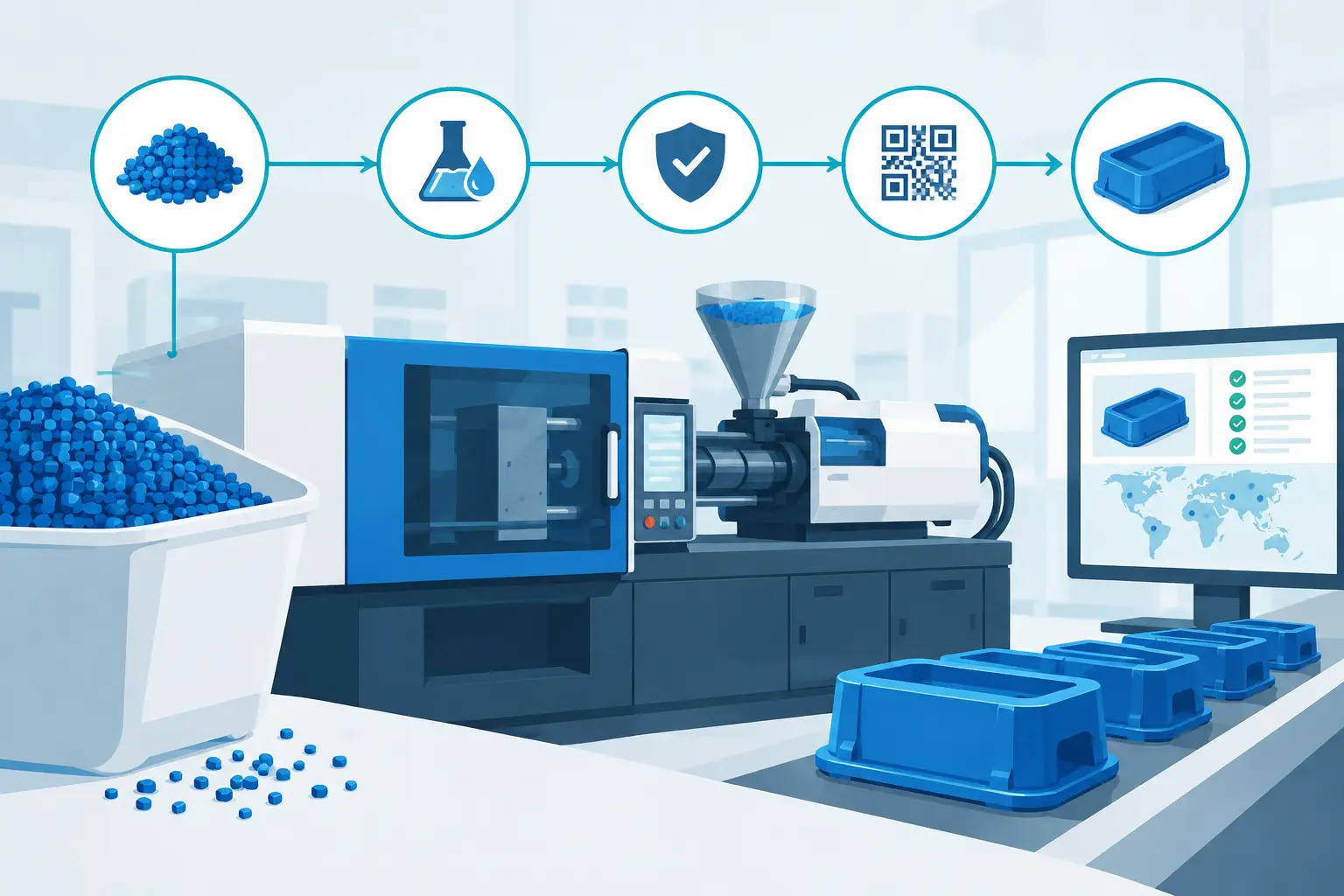
The final stage connects the product design to mold design and manufacturing execution. This includes cavity strategy, mold construction planning, expected cycle performance, quality checkpoints, and any secondary processing such as trimming, printing, assembly, or packing.
This handoff matters more than many buyers expect. If product design and tooling are handled in separate silos, communication gaps often show up as delays, rework, or inconsistent quality. Integrated execution reduces those handoff risks.
Where projects usually go wrong
Many product issues do not come from bad ideas. They come from late manufacturing input. A part is approved based on appearance or function, then passed downstream with too many assumptions still unresolved.
Common problems include overdesigned tolerances, cosmetic requirements that conflict with efficient molding, materials chosen without considering processing behavior, and part geometries that look simple but create complex tooling. Another issue is designing without enough thought for maintenance and repeat production. A mold may produce initial samples successfully, yet struggle to hold consistency over time if the design is too sensitive.
There is also a speed trap. Some teams try to move faster by skipping early engineering review. In practice, that usually slows the project later. Tool modifications, rejected samples, and emergency corrections consume more time than disciplined design work at the start.
What buyers should look for in an R&D manufacturing partner
A supplier that only quotes from a drawing is not the same as a partner that helps improve the design before production. For companies investing in custom plastic parts, that difference affects both timeline and total cost.
The right partner should be able to review the product as an engineered system, not just a molded shape. That includes part design, mold design, processing conditions, finishing requirements, and quality control. In-house capability matters here because it shortens feedback loops. If tooling changes, design updates, and production trials are handled under one roof, decisions happen faster and with better accountability.
It also helps to work with a manufacturer that has experience across industries and production volumes. A low-volume industrial component and a high-volume consumer-facing part create different demands. The engineering approach should reflect that. Glasfil, for example, supports product realization from design refinement through tooling, molding, finishing, and shipping, which allows technical issues to be solved close to the production floor rather than passed between disconnected vendors.
The commercial value of doing it right
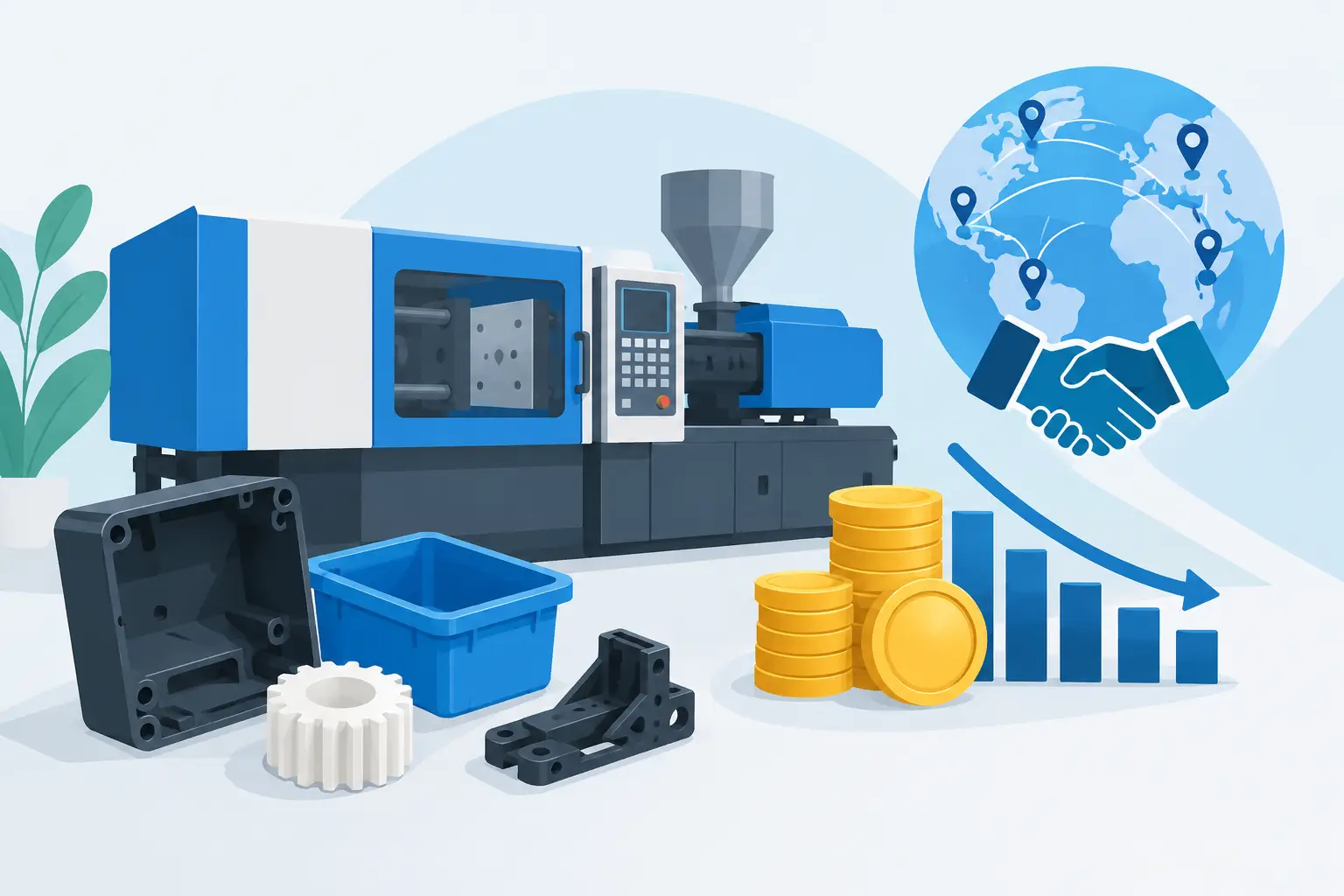
Research and development product design is often treated as an engineering cost. In reality, it is a cost-control function. Better design decisions reduce scrap, shorten setup time, improve cycle efficiency, limit revisions, and support consistent part quality.
It also protects commercial timelines. Product launches are rarely delayed by one dramatic failure. More often, they slip because of repeated small corrections that should have been addressed earlier. Each tooling adjustment, sample revision, and quality issue adds friction. Strong R&D removes that friction before it spreads across the project.
For procurement teams, this means evaluating more than the unit price. A lower initial quote can become expensive if the design is not properly developed for production. For engineers, it means choosing solutions that work not only in theory but in repeat manufacturing. For brand owners and OEMs, it means getting a product to market with fewer surprises.
Building products with fewer revisions and better outcomes
The best product development programs are not the ones with the most meetings or the most software. They are the ones where design, tooling, molding, and quality are aligned early enough to prevent expensive mistakes.
That is the practical role of research and development product design in plastic manufacturing. It turns assumptions into verified decisions. It replaces guesswork with engineering judgment. And it gives companies a better chance of launching parts that perform as expected, scale cleanly, and stay cost-effective over time.
If you are evaluating a new plastic part, revising an existing one, or reproducing a component that can no longer be sourced, the smartest move is usually the earliest one – get manufacturing reality into the design process before the design hardens.
Do contact us if you need us to help you with your DFM (design for manufacturing) or work with you on best design practises