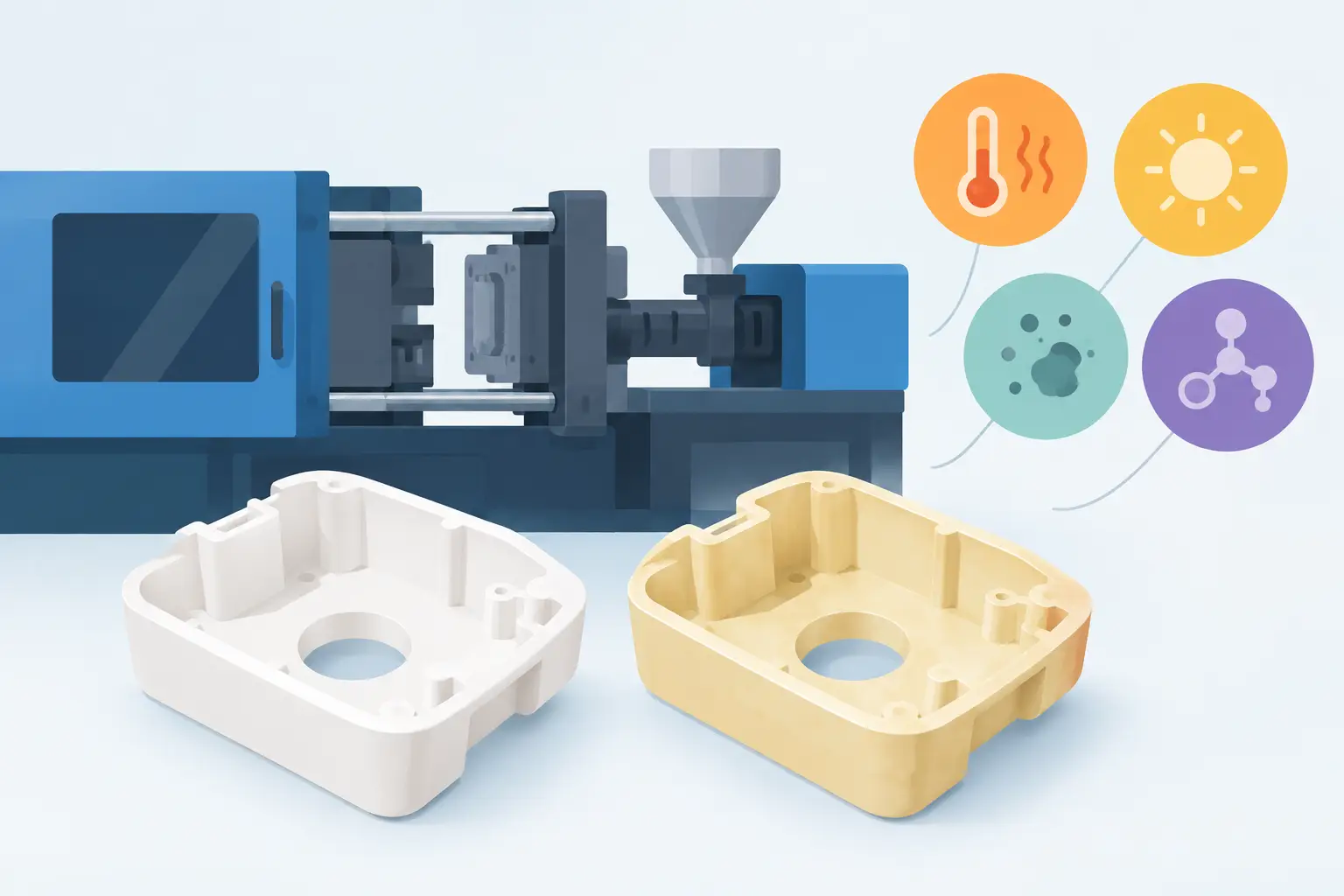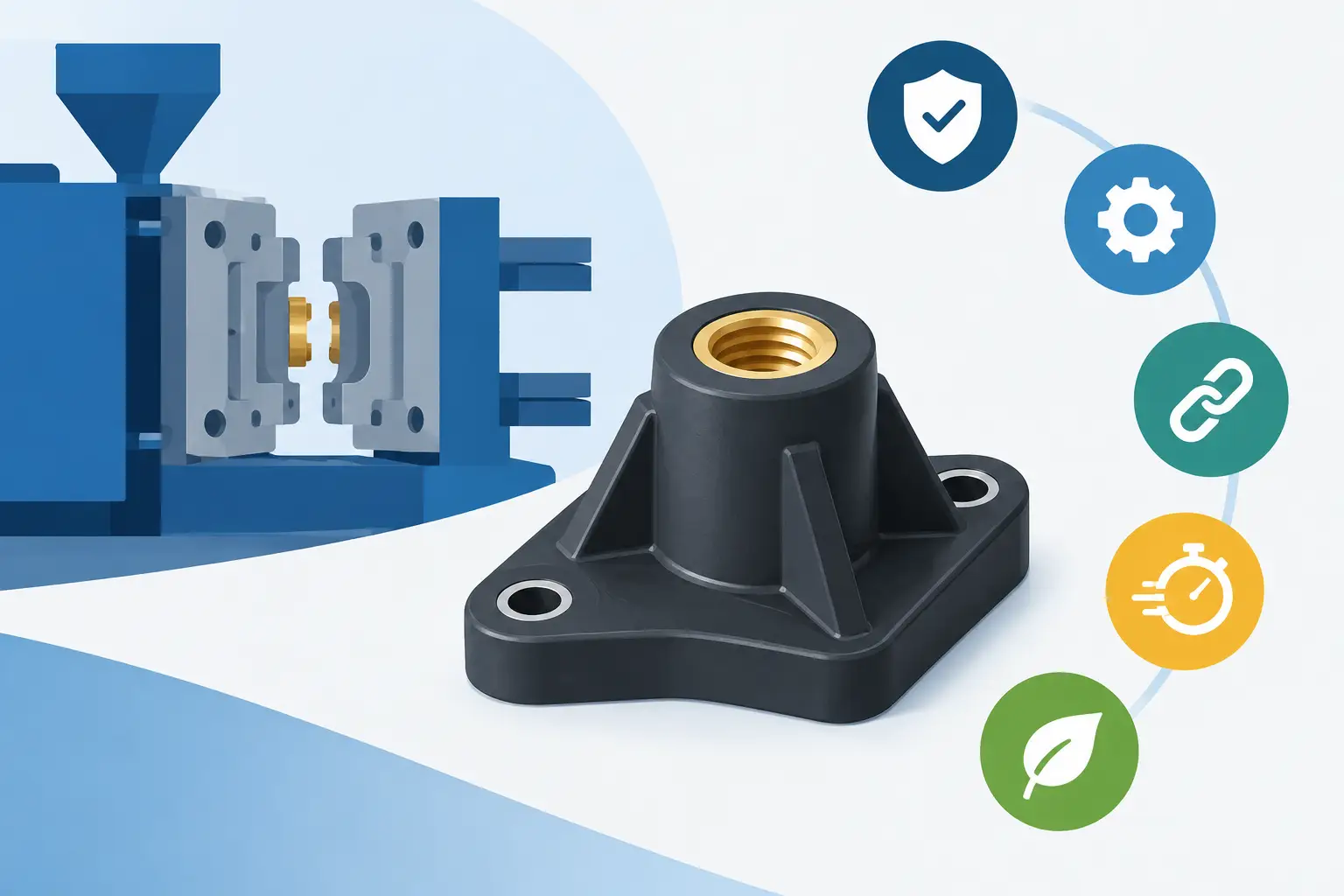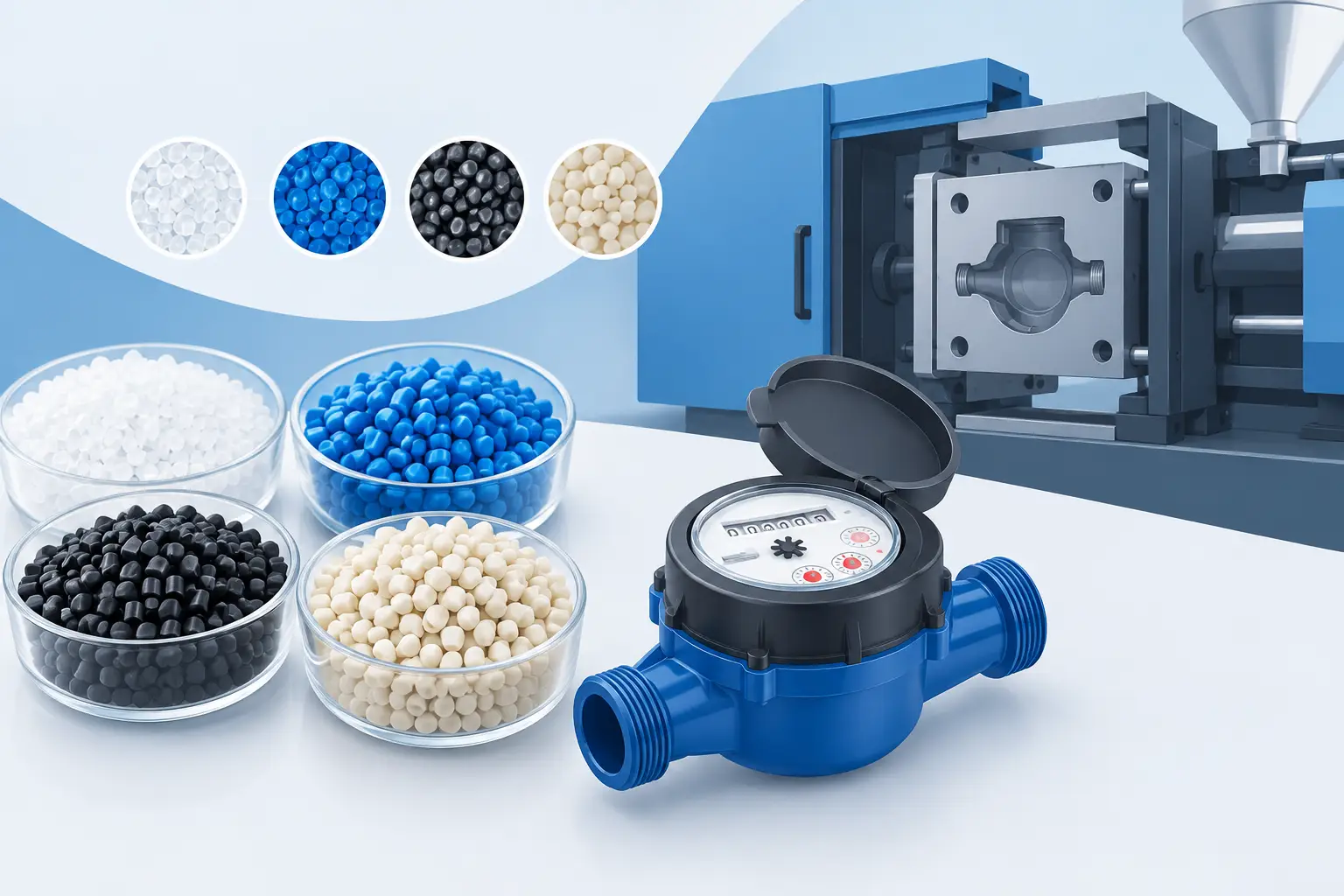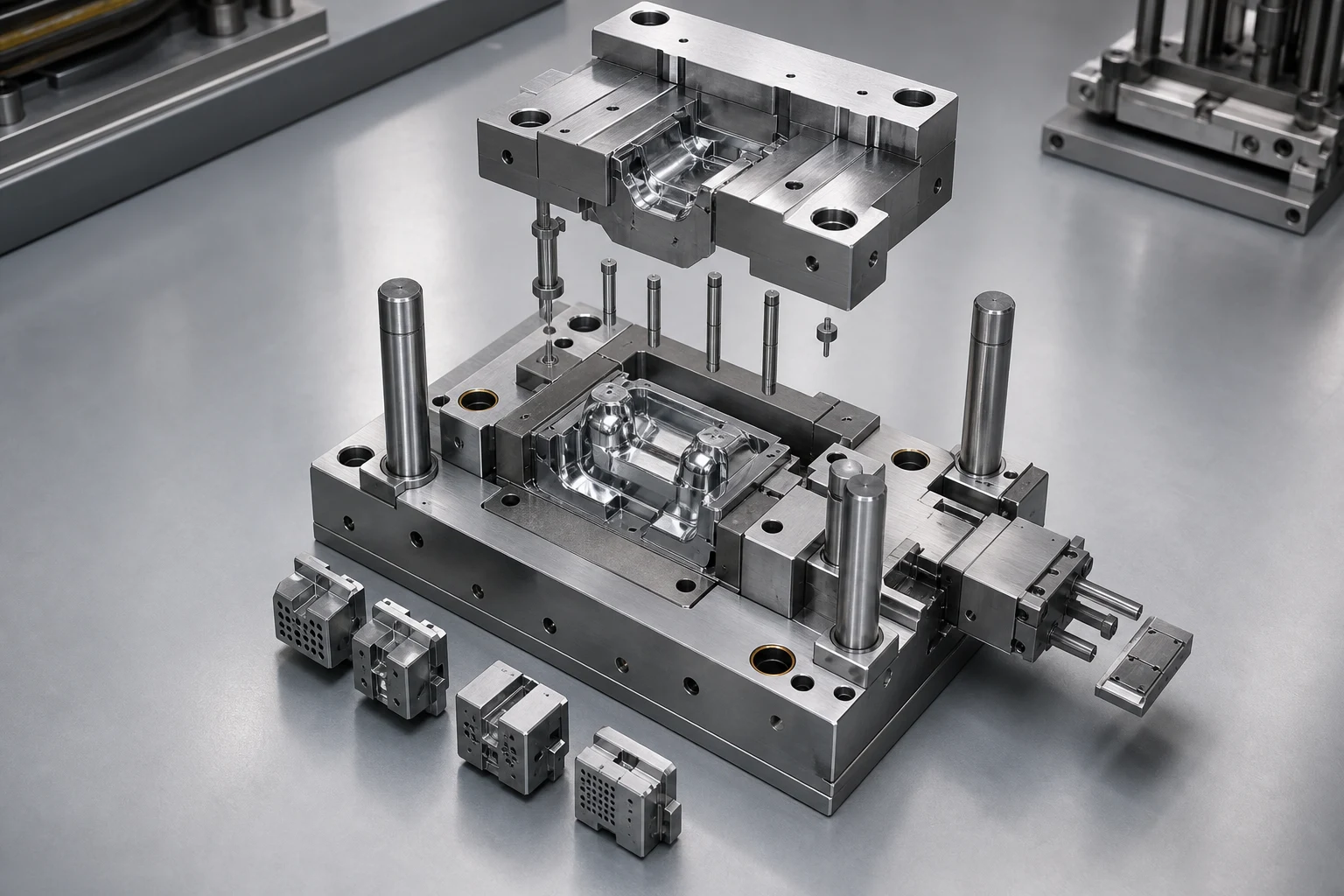
A launch date can be lost long before the first plastic part is molded. It is often lost when a toolmaker, molder, designer, and finishing supplier are working in separate queues. So, how fast can tooling be completed without compromising part quality, mold life, or production readiness? For many injection molding projects, an eight-week completion path is achievable when design, machining, molding, and validation are controlled in one operation.
The qualification matters. A fast tool is not simply a mold that is machined quickly. It is a production asset that fills consistently, releases parts reliably, holds critical dimensions, and can be adjusted without restarting the project with another supplier. The real objective is to shorten the distance between an approved part concept and stable, repeatable manufacturing.
How Fast Can Tooling Be Completed in Practice?
A typical custom injection mold may take anywhere from six to 16 weeks, and more complex tooling can require longer. The range is wide because “tooling” can describe very different projects: a simple single-cavity cap, a multi-cavity electrical housing, an automotive component with cosmetic surfaces, or a part requiring inserts, sliders, tight tolerances, and automated handling.
An eight-week timeline is most realistic when the product design is sufficiently defined, material requirements are known, and decisions can be made quickly during design review. It is especially effective for projects where the same manufacturing partner can design the mold, fabricate it, run trial shots, modify the tool, and begin production without handoffs between companies.
Speed should not mean skipping engineering. It means engineering decisions happen early, and the people responsible for those decisions are close to the machines that will make the mold and mold the part.
The Tooling Timeline Starts Before Steel Is Cut
The fastest projects are prepared before fabrication begins. A CAD model may look complete while still containing features that add unnecessary cost or delay: walls that are too thick, insufficient draft, sharp internal corners, inconsistent ribs, difficult gate locations, or tolerances that do not match the functional requirement.
A proper design-for-manufacturing review identifies these issues before they become machining changes. The review should confirm the resin, expected annual volume, cosmetic expectations, critical dimensions, assembly interfaces, shrinkage assumptions, and the intended molding machine. Those inputs determine the mold concept, cavity layout, cooling strategy, steel selection, gate style, and ejection system.
This is where time is either protected or lost. If a supplier receives only a 3D file and begins building without challenging manufacturability, the first trial can expose predictable problems. A sink mark, warp condition, short shot, flash issue, or difficult ejection cycle then becomes a costly correction after steel has already been cut.
Part Complexity Sets the Pace
Part size is not the only measure of complexity. A small component with threads, undercuts, metal inserts, a high-gloss finish, and a tight tolerance can require more tooling effort than a larger, straightforward housing.
Features that commonly extend lead time include side actions, lifters, unscrewing mechanisms, conformal cooling requirements, interchangeable inserts, multiple cavities, textured surfaces, and advanced hot runner systems. None automatically prevents rapid completion. They simply require more design coordination, precision machining, and testing.
Material selection also matters. Engineering resins can place higher demands on mold steel, venting, temperature control, and processing stability than commodity plastics. Glass-filled materials, flame-retardant grades, and high-temperature polymers can accelerate wear or expose weaknesses in a tool that was not designed for the resin from the start.
Why In-House Control Changes Tooling Lead Time
The largest source of delay is often not machining capacity. It is the time spent moving information, parts, and accountability between separate vendors. A mold may be designed in one location, machined in another, sampled by a third company, and repaired after trial by a fourth. Every transfer creates waiting time and increases the risk that a technical decision is made without the full production context.
An integrated manufacturer eliminates many of those gaps. Tool designers can work directly with machinists. Moldmakers can respond to trial results immediately. Process engineers can assess whether an issue is caused by tool geometry, material behavior, machine settings, or part design. That direct feedback loop is what makes an ambitious timeline credible.
At Glasfil, 100% in-house mold modification capability is central to this approach. If trial parts show a need for a gate adjustment, vent change, steel-safe dimensional correction, or ejection improvement, the correction can be managed within the same production environment. The project does not need to wait for a tool to be packed, shipped, reviewed, and returned.
This level of control also supports practical planning. With 19 injection molding machines up to 560 tons across two manufacturing plants, tooling can be designed around the machine that will run the production program. That avoids a common late-stage problem: a mold is technically complete but poorly matched to the press, automation, cycle-time target, or output requirement.
What an Eight-Week Tooling Program Requires
An eight-week target depends on disciplined execution from both manufacturer and customer. The program begins with a clear commercial and technical brief, followed by mold design approval and controlled release into fabrication. Procurement delays on special components, late material decisions, and repeated geometry changes can all move the date.
A well-managed fast-track program generally moves through these stages:
- Product and manufacturability review, including material, parting line, draft, wall thickness, gating, and risk assessment.
- Mold design, customer review where required, and release of detailed tooling drawings.
- Steel procurement, CNC machining, EDM work, fitting, polishing, and assembly.
- First trial molding, dimensional inspection, functional review, and targeted mold modifications.
- Final sampling, production setup, quality confirmation, and transition to repeat manufacturing.
These stages can overlap in a controlled way. For example, standard mold components can be prepared while final insert details are being finished. Production planning can begin while the first trial is underway. The goal is not to rush work blindly. It is to prevent idle time between dependent tasks.
Fast Does Not Mean Every Project Should Use the Same Timeline
There are cases where a longer lead time is the right decision. A product with safety-critical requirements, unusual resin behavior, highly visible cosmetic surfaces, or demanding validation requirements may need additional sampling and process development. A multi-cavity mold intended for very high annual volumes may also justify more time spent optimizing cooling, balance, wear resistance, and automation compatibility.
The cost of an extra week in development can be far lower than the cost of a tool that produces inconsistent parts for years. Buyers should be cautious of lead-time promises that do not explain what is included. Ask whether the date covers mold design, first samples, modifications, dimensional inspection, production approval, and delivery of molded parts. “Tool complete” can mean very different things from one supplier to another.
How Buyers Can Protect the Schedule
Manufacturing partners can control the process, but customers have a direct effect on tooling speed. The strongest projects start with a complete part model, 2D drawings for critical dimensions, expected production volume, material specification, color requirements, cosmetic standards, and a clear definition of what makes the part acceptable.
Fast feedback is equally valuable. If design approvals or sample decisions sit unresolved for several days, a compressed tooling schedule quickly loses its advantage. Assigning one decision-maker or a small cross-functional team helps prevent contradictory comments from engineering, procurement, quality, and product management.
It also helps to distinguish between must-have requirements and preferences. A specific surface texture, ultra-tight cosmetic target, or additional inspection requirement may be necessary, but each should be evaluated against its effect on tooling complexity, cycle time, and project timing. Good manufacturing decisions make these trade-offs visible early.
The Better Question Is: When Can Production Begin?
Tool completion is a milestone, not the business outcome. The outcome is dependable production of parts that meet specification, arrive on schedule, and support the next stage of the customer’s supply chain. That requires mold performance, process capability, quality control, secondary operations, packing, and shipping to work as one coordinated system.
For product developers and procurement teams, the most useful supplier discussion is not just “How quickly can you build the mold?” It is “How quickly can you deliver validated parts at the required quality and volume?” A partner that owns the path from mold design through injection molding, finishing, packing, and shipment can answer that question with far more certainty.
When a product deadline is fixed, bring the manufacturer into the conversation before the design is frozen. Early engineering input is often the fastest route to a tool that is ready to produce, not merely ready to show.
Contact us to discuss your project, request a quotation, or arrange a technical consultation. Our team will help you determine the most cost-effective and reliable way to manufacture your part.