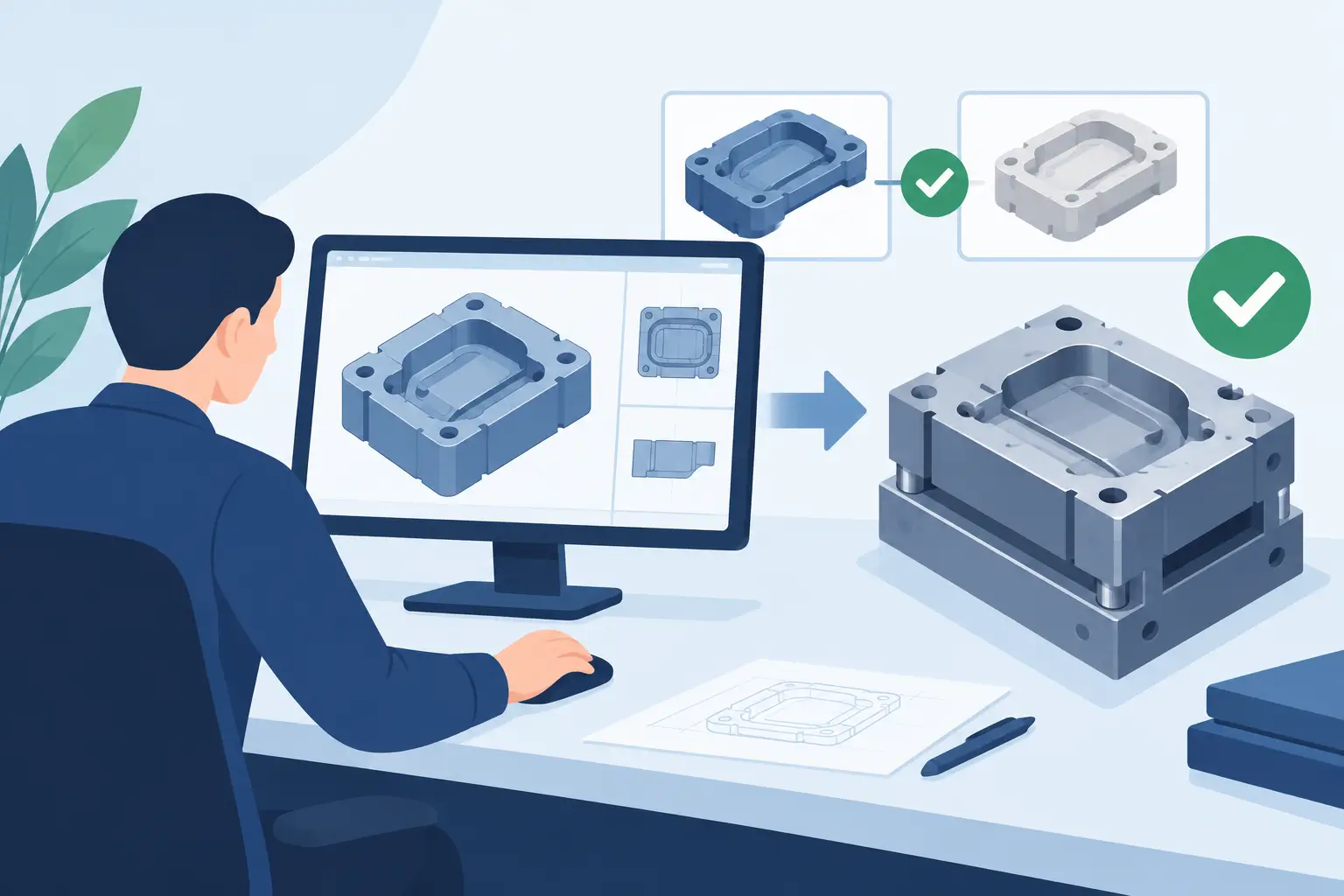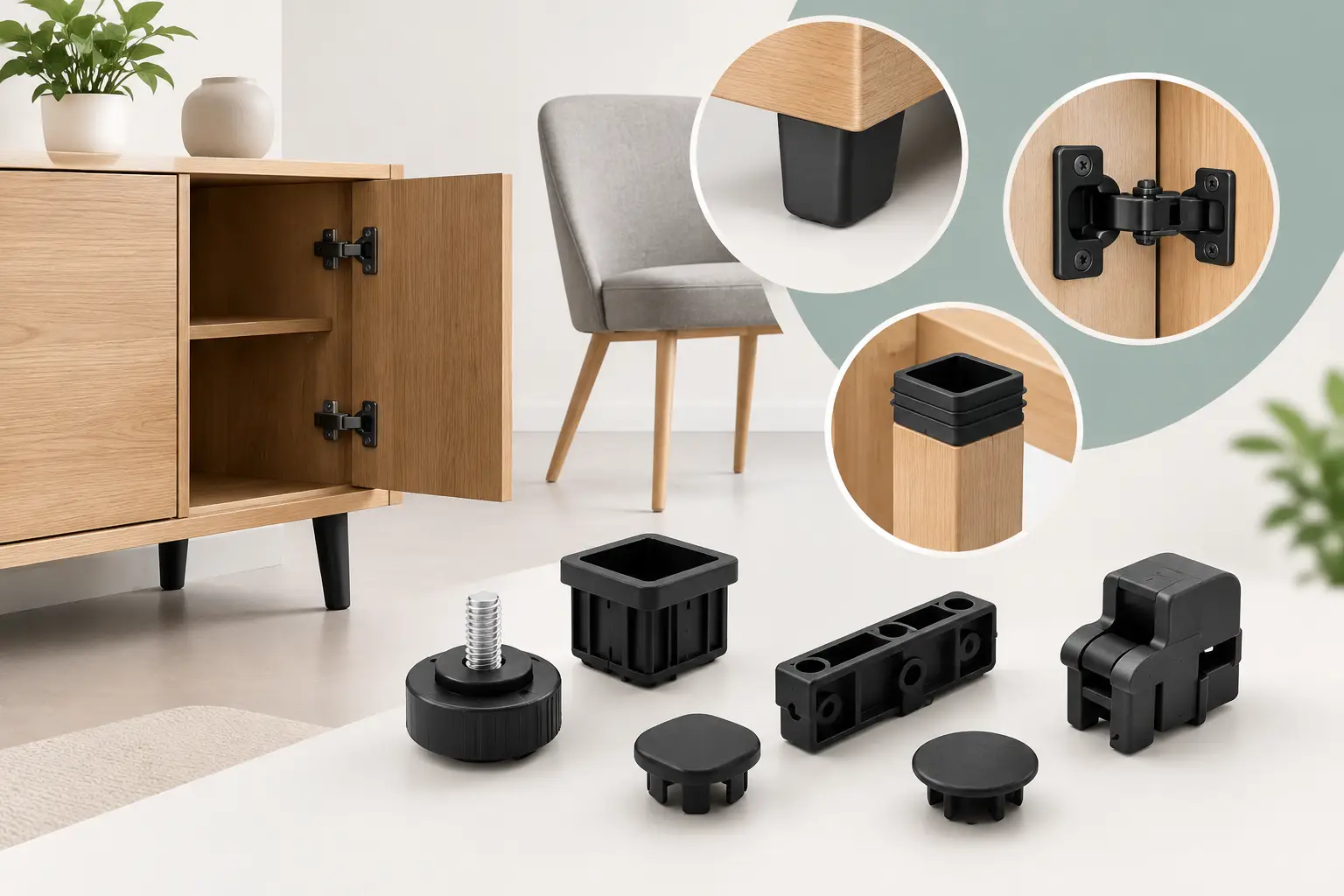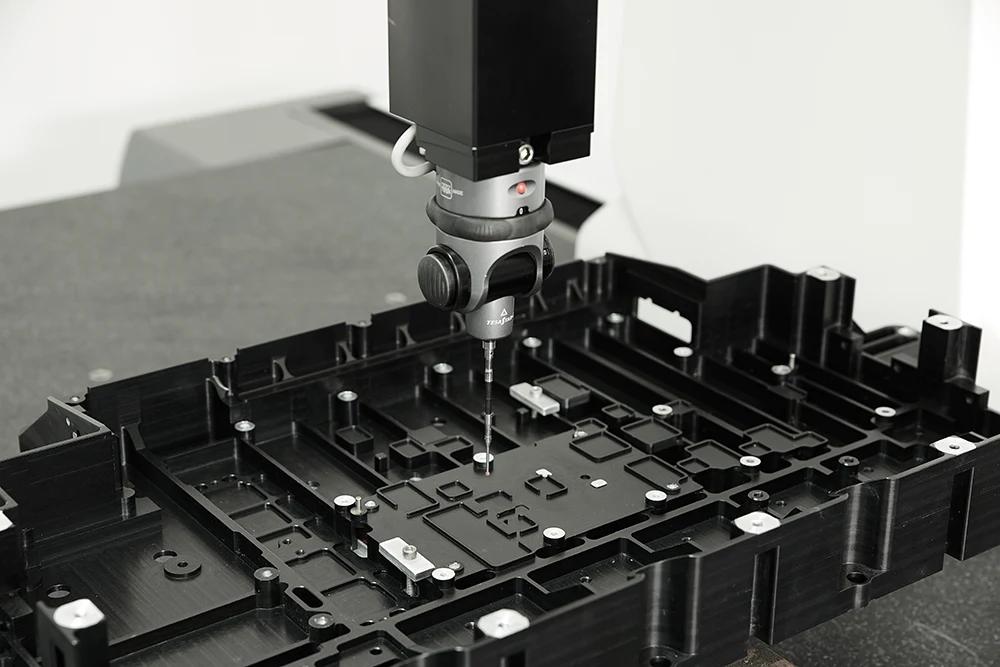
A tool can look perfect on first sampling and still fail where it matters most – in repeat production. That is why an injection mould validation guide is not just a quality document. It is the control plan that proves your mould, process window, and moulded part can perform consistently under real manufacturing conditions.
For OEMs, product developers, and procurement teams, validation is where launch risk becomes visible. A polished T0 sample does not guarantee stable dimensions at higher volumes. A part that passes visual inspection once may still show variation when resin lots change, ambient conditions shift, or cycle times are pushed for output. Validation exists to answer one commercial question with technical evidence: can this tool run reliably, at the required quality level, on the agreed timeline and cost structure?
What an injection mould validation guide should actually cover
A useful injection mould validation guide goes beyond a checklist of sample approvals. It should connect tool performance, process capability, material behaviour, and inspection results into one production-based decision. In practical terms, that means validating three things simultaneously.
First, the mould itself must perform correctly. That includes cavity balance, venting, cooling efficiency, ejection, gate performance, and resistance to flash, sink, short shots, or warpage. Second, the moulding process must be stable within a defined operating window. Third, the final part must consistently meet dimensional, cosmetic, functional, and assembly requirements.
Many validation problems come from treating those as separate workstreams. Tooling signs off one result, quality signs off another, and production inherits the gap. A stronger approach validates the full system under conditions that match the production reality as closely as possible.
Validation starts before the first shot
Most failures blamed on validation are actually design and planning failures discovered late. If the part design has uneven wall thickness, unrealistic tolerances, or poor gate placement, the validation stage becomes expensive troubleshooting. If measurement methods are unclear, teams argue over results instead of fixing root causes.
This is why validation planning should start during DFM review and tool design. Critical-to-quality dimensions need to be identified early. Resin grade, shrink assumptions, steel-safe strategy, cosmetic expectations, and testing methods should be agreed upon before tool fabrication is complete. When those decisions are made late, every trial becomes slower and more political.
For buyers, this is one of the biggest differences between a basic supplier and a full-service moulding partner. When design, tooling, sampling, modification, and quality control sit under one roof, validation moves faster because the feedback loop is shorter. If the mould needs steel adjustment, vent correction, or cooling optimisation, the same team can act immediately instead of waiting across multiple vendors.
The core stages of mould validation
The exact protocol varies by industry and part criticality, but the logic is consistent. Early trials, such as T0 and T1, are used to establish whether the tool can produce a complete and acceptable part. At this point, the objective is not final approval. It is to identify the mechanical and process changes needed to reach a repeatable baseline.
Once the part form is closed, the focus shifts to process definition. The team sets machine parameters, confirms resin handling conditions, and studies how the part responds within upper and lower process limits. This matters because a part that only runs well at one narrow setting is not production ready. Real manufacturing needs a usable process window, not a fragile sweet spot.
The next stage is capability confirmation. Here, the tool should run long enough to show consistent dimensional and cosmetic performance. Depending on the product, this may include cavity-to-cavity comparison, short-term capability studies, functional checks, assembly trials, and appearance inspection under defined standards. For regulated or automotive programs, this stage may also feed PPAP documentation and traceability requirements.
Finally, validation should confirm production intent. That means using the intended material, approved machine class, normal operators, standard auxiliaries, and expected cycle parameters. If a supplier validates under special conditions that will not exist in serial production, the result has limited value.
What buyers should ask during injection mould validation
Not every validation report tells the full story. A part can meet drawing dimensions on a small sample and still carry hidden production risk. Buyers should ask where the data came from and how representative it is.
Ask whether validation used the final resin grade and whether drying conditions were controlled and recorded. Ask if all cavities were checked or only a selected few. Ask how many shots were evaluated, whether dimensions were measured across time, and whether cosmetic criteria were assessed using agreed standards. If the part is assembled downstream, ask whether validation included fit and function in the actual mating condition.
It is also worth asking what changed between trial phases. If the supplier presents a good final sample, but multiple tool corrections were needed, that is not automatically a problem. In fact, it is normal. The important question is whether those changes were documented, resolved in-house, and closed with evidence.
Common validation failures and what they usually mean
When validation stalls, the symptoms often point to specific root causes. Dimensional drift usually signals unstable cooling, inconsistent packing, resin variation, or part release stress. Flash may indicate clamp force limits, venting issues, worn shut-offs, or a process being run too aggressively. Sink and voids often trace back to part design, gate size, wall thickness, or insufficient hold pressure and cooling balance.
Warping is more complicated because it sits at the intersection of tool design, part geometry, material behaviour, and processing. A team that treats warpage as a machine setting problem alone usually wastes time. It may require gate relocation, cooling revision, or geometry changes rather than parameter adjustment.
This is where experience matters. Validation is not only about recording data. It is about reading the pattern correctly and knowing whether the fix belongs in the tool, the process, the material choice, or the part design.
Speed matters, but only if the process is controlled
Many buyers face launch pressure, and fast sampling is valuable. But speed without validation discipline creates downstream costs – scrap, sorting, delayed approvals, field failures, and emergency tool changes during production. The better model is compressed lead time with strong in-house control.
That is why integrated manufacturers are often better positioned for aggressive launch schedules. When toolmaking, mould modification, injection moulding, and quality checks are managed internally, the team can move from trial result to corrective action without losing days in coordination. At Glasfil, this integrated approach is central because production readiness depends on how quickly engineering feedback can be converted into tool and process improvements.
A practical standard for production readiness
If you are qualifying a new supplier or preparing a new program launch, use a simple standard. A mould is not validated when it produces a good sample once. It is validated when it can repeatedly produce conforming parts from all relevant cavities using the intended material and controlled production settings, with evidence that the process window is understood and the quality result is sustainable.
That standard protects more than quality. It protects purchasing forecasts, assembly uptime, inventory planning, and customer commitments. It also reduces the hidden cost of launch firefighting, which is where many moulded part programs lose margin.
The strongest validation programs are not the most complicated. They are the clearest. They define what matters, test under realistic conditions, document what changed, and make decisions based on repeatability rather than optimism.
If your next moulded part program has tight tolerances, cosmetic requirements, or a demanding launch date, treat validation as part of the manufacturing strategy, not just supplier paperwork. The right mould should not only make the part. It should make the part predictable at volume, without forcing your team to manage risk that should have been engineered out from the start.
If you are evaluating a new project or facing ongoing tooling and production challenges, contact us to discuss your requirements, request a technical consultation, or submit your RFQ.