A part can look perfect in CAD, quote well on paper, and still fail the moment the wrong resin reaches the tool. That is why an injection moulding material selection guide matters early – before tool steel is cut, before tolerances are locked, and before production problems become expensive. Material choice is not a finishing detail. It drives part performance, tool behaviour, cycle time, surface quality, compliance, and long-term unit cost.
For OEMs, product developers, and procurement teams, the real challenge is that material selection is rarely about finding the single best plastic. It is about finding the right compromise for the application, the geometry, and the production target. A resin with better impact resistance may bring more shrink variation. A lower-cost option may extend cycle times or create assembly issues. The right decision comes from understanding the part in use, the process window, and the commercial pressure around it.
How to use this injection moulding material selection guide
Start with the job the part has to do, not with a resin name. Engineers often begin with familiar materials such as PP, ABS, PA, or PC, but a better approach is to define the requirements in order of importance. If the part fails in the field because of heat, chemical exposure, creep, or impact, a low resin price will not save the project.
The first questions are practical. Does the part carry load or simply enclose components? Will it live indoors, outdoors, or near heat sources? Does it need cosmetic appeal, snap-fit flexibility, electrical insulation, dimensional precision, or chemical resistance? Is it a high-volume component where every second of cycle time affects cost, or a lower-volume technical part where performance comes first?
When those priorities are clear, material selection becomes a controlled engineering decision instead of trial and error.
The performance factors that matter most
Mechanical performance usually comes first. Tensile strength, stiffness, impact resistance, and fatigue behaviour all matter, but not equally. A housing may need good toughness and appearance but not structural rigidity. A clip or latch may need flexibility and recovery more than high stiffness. A water-handling component may need dimensional stability under pressure and temperature cycling.
Heat performance is often underestimated. Many plastics perform well at room temperature and then lose stiffness quickly in warmer service conditions. If a part sits near motors, lighting, hot water, or enclosed electronics, heat deflection and long-term thermal ageing should be reviewed early. This is one of the most common reasons a material that looked acceptable in prototype review becomes unreliable in production use.
Chemical exposure can narrow the field fast. Cleaning agents, oils, fuels, detergents, moisture, and UV exposure all change how a resin behaves over time. Nylon can be excellent mechanically, but moisture absorption may affect dimensions. Polycarbonate offers impact strength, but some chemicals can cause stress cracking. Polypropylene handles many chemicals well, but may not deliver the stiffness some assemblies need.
Dimensional stability matters just as much as raw strength. Parts with tight tolerances, sealing functions, threaded features, or mating interfaces need predictable shrink behaviour and repeatable moulding performance. Filled grades can improve stiffness and reduce shrink, but they may increase tool wear, affect surface finish, and create anisotropic behaviour. In other words, they solve some problems while introducing others.
Common injection moulding materials and where they fit
Polypropylene is a frequent choice because it is cost-effective, chemically resistant, lightweight, and easy to process. It works well for consumer, utility, and automotive components where living hinges, toughness, and production economy matter. Its limitations show up when higher stiffness, tighter tolerance control, or elevated temperature performance is required.
ABS is often chosen for housings and visible parts because it balances toughness, appearance, and processability. It takes texture and colour well, which helps in products where surface finish matters. The trade-off is that ABS is not the first choice for aggressive chemical environments or higher heat demands.
Polycarbonate is valued for impact resistance and transparency, making it useful for technical covers, protective parts, and applications that need strength with visual quality. It can be more sensitive to processing conditions, and cosmetic defects are less forgiving if the resin is not handled correctly.
Nylon, including glass-filled nylon grades, is widely used where strength, wear resistance, and thermal performance are needed. It suits many automotive, electrical, and industrial parts. The decision gets more complex because moisture absorption can change dimensions and mechanical behaviour, so the application environment must be part of the material review.
POM, or acetal, is a strong option for precision parts with moving features, low friction requirements, and good dimensional control. It is common in gears, clips, valves, and mechanical components. It performs well, but design and processing need discipline, especially where wall transitions and assembly loads are involved.
Engineering and high-performance resins such as PBT, PPS, PEI, or specialised flame-retardant grades come into play when electrical performance, high heat, chemical resistance, or regulatory compliance are central requirements. These materials can solve demanding technical problems, but they raise resin cost and often require tighter process control.
Material choice is also a tooling decision
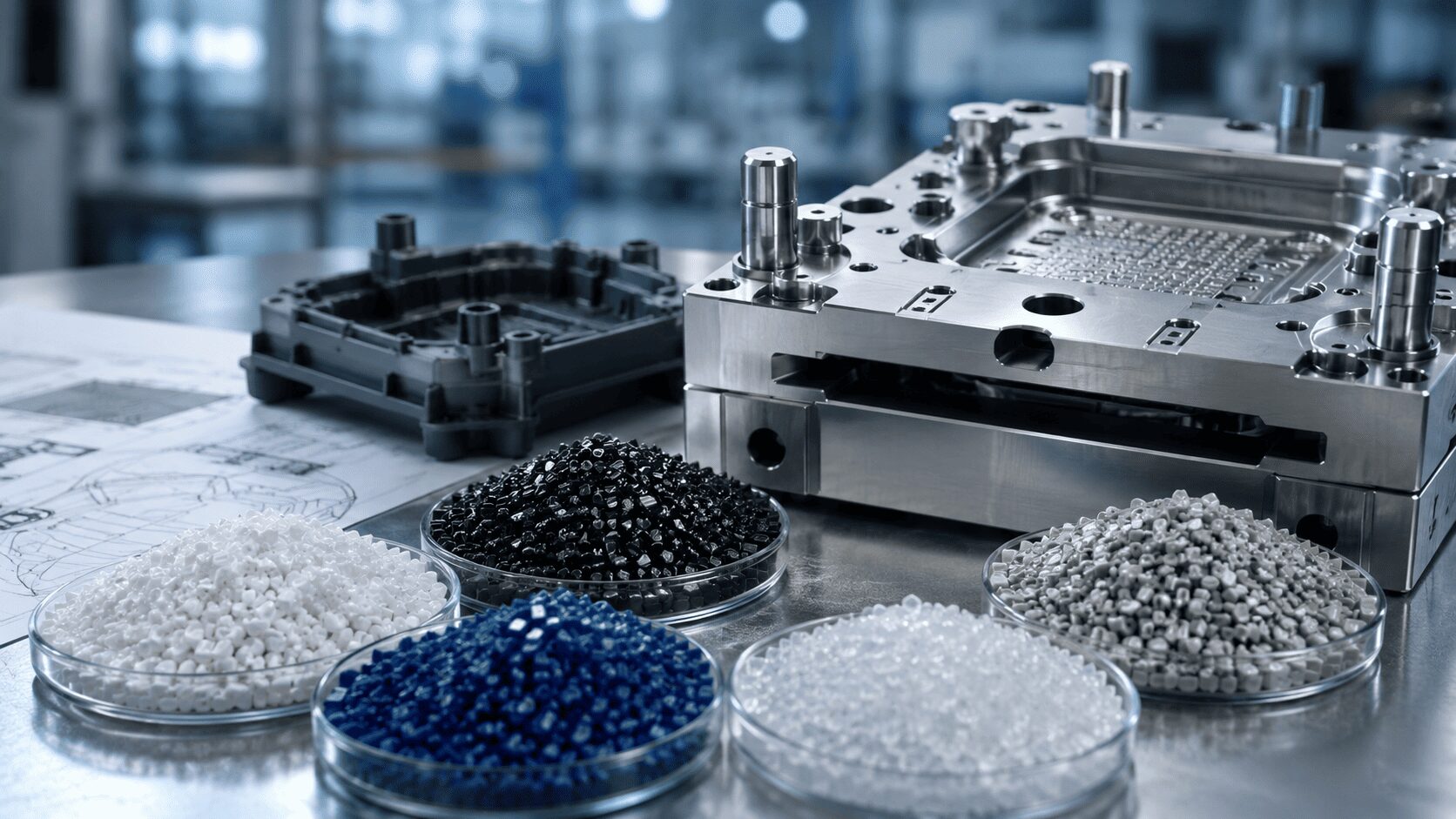
This is where many purchasing discussions miss the bigger picture. Resin selection affects the mould itself. Shrink rate influences cavity sizing. Filled materials can increase abrasion and reduce tool life if the tool steel and surface treatment are not matched correctly. Materials with narrow processing windows can demand better venting, more controlled cooling, and stricter maintenance.
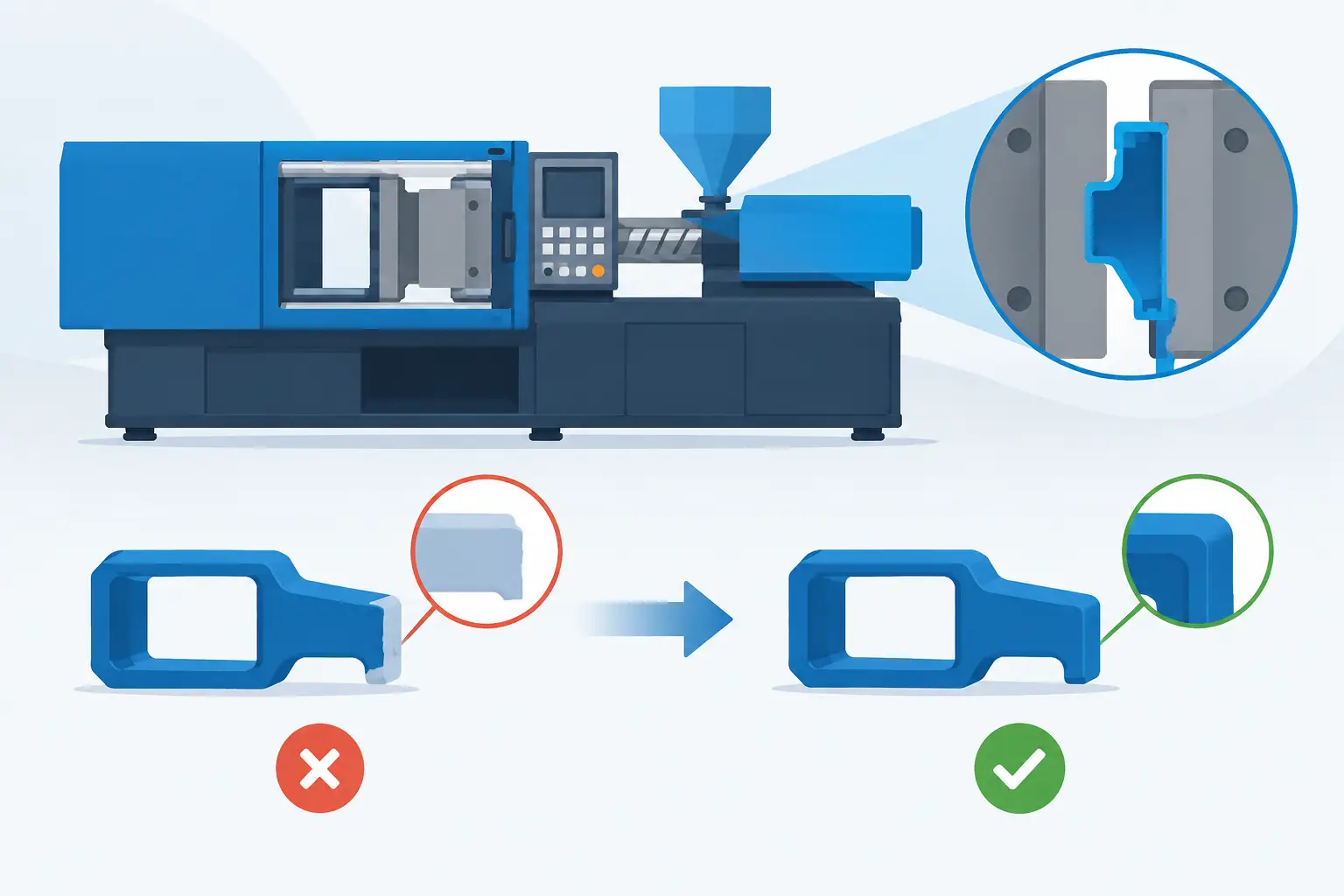
Gate design, wall thickness, rib layout, and ejection strategy are all tied to the resin. A material that appears cheaper per pound may create longer cycles, more warpage, or more scrap. A better material-tool combination can reduce defects and stabilise production, which usually matters more than the raw resin price alone.
That is why experienced injection moulding teams review the part, mould concept, and resin together. At Glasfil, this integrated approach matters because material behaviour, tool design, and production execution all sit under the same operational control. It shortens feedback loops and reduces the risk of finding process problems only after the mould is built.
Cost should be measured across the full program
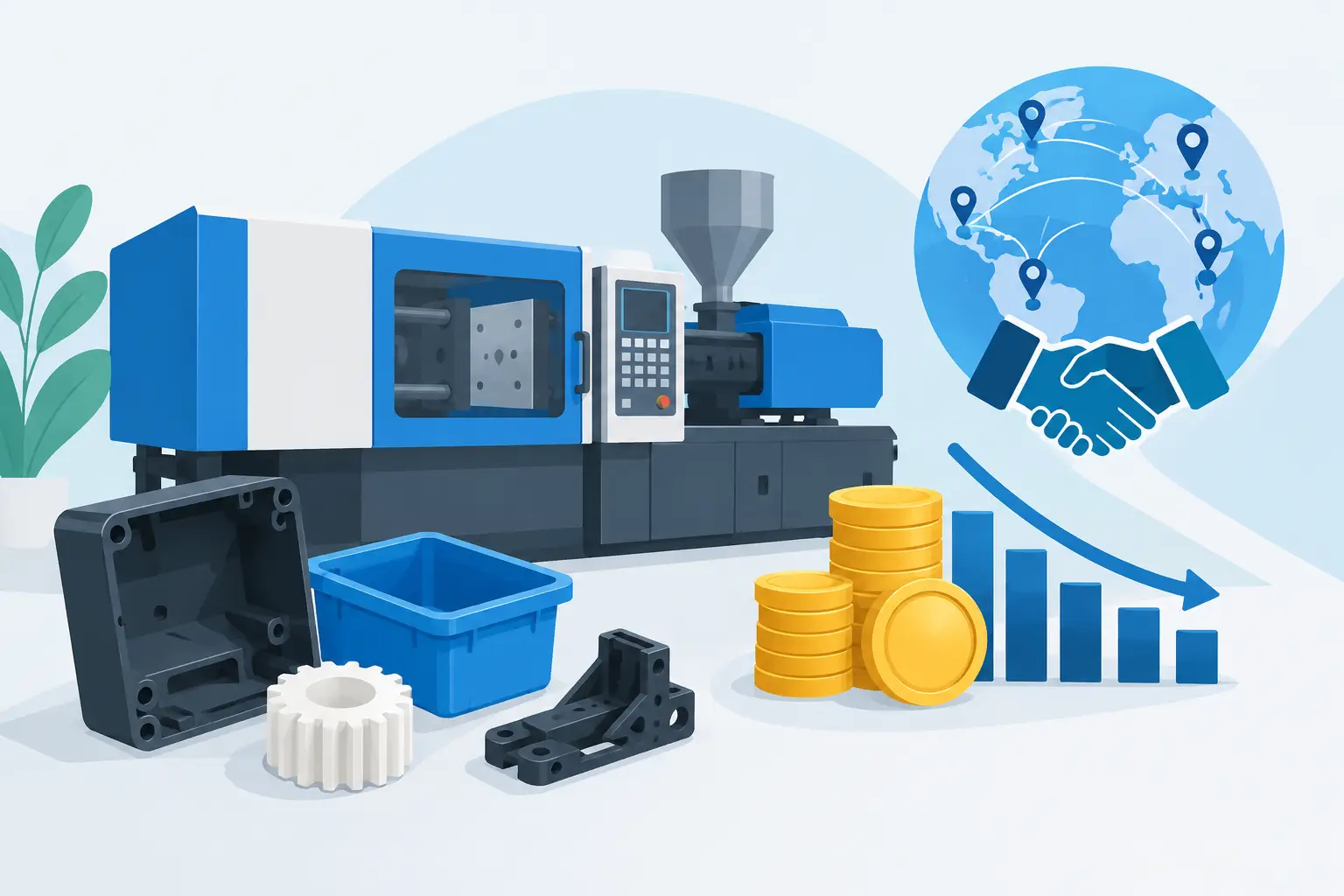
Unit price matters, but it should not lead the decision by itself. Total cost includes tooling wear, cycle time, yield, finishing needs, assembly performance, warranty risk, and supply consistency. A resin that is 10 per cent cheaper but creates 20 per cent more rejects is not saving money. Neither is a material that meets the specification but causes delays because it is hard to source consistently.
For high-volume programs, even small differences in cooling time or part weight can change annual cost significantly. For lower-volume technical parts, reliability and reduced engineering changes may matter more than resin economics. The right answer depends on the production model, not just the datasheet.
Compliance, finish, and end-use details can change the answer
Many parts are filtered by requirements that arrive late if the project is not managed carefully. Flame rating, food contact, potable water suitability, UL performance, REACH and RoHS considerations, UV stability, and colour consistency can all eliminate otherwise strong material options.
Surface finish is another factor that deserves early attention. Some resins mould with cleaner cosmetic consistency than others. Glass-filled grades may improve stiffness but create a more technical surface appearance. High-gloss, textured, plated, painted, or overmolded parts all need material compatibility checked before the project reaches production.
Secondary processes also matter. If the part will be welded, printed, machined, assembled with inserts, or exposed to repeated fastening, those steps should influence resin selection from the start.
A practical way to narrow the shortlist
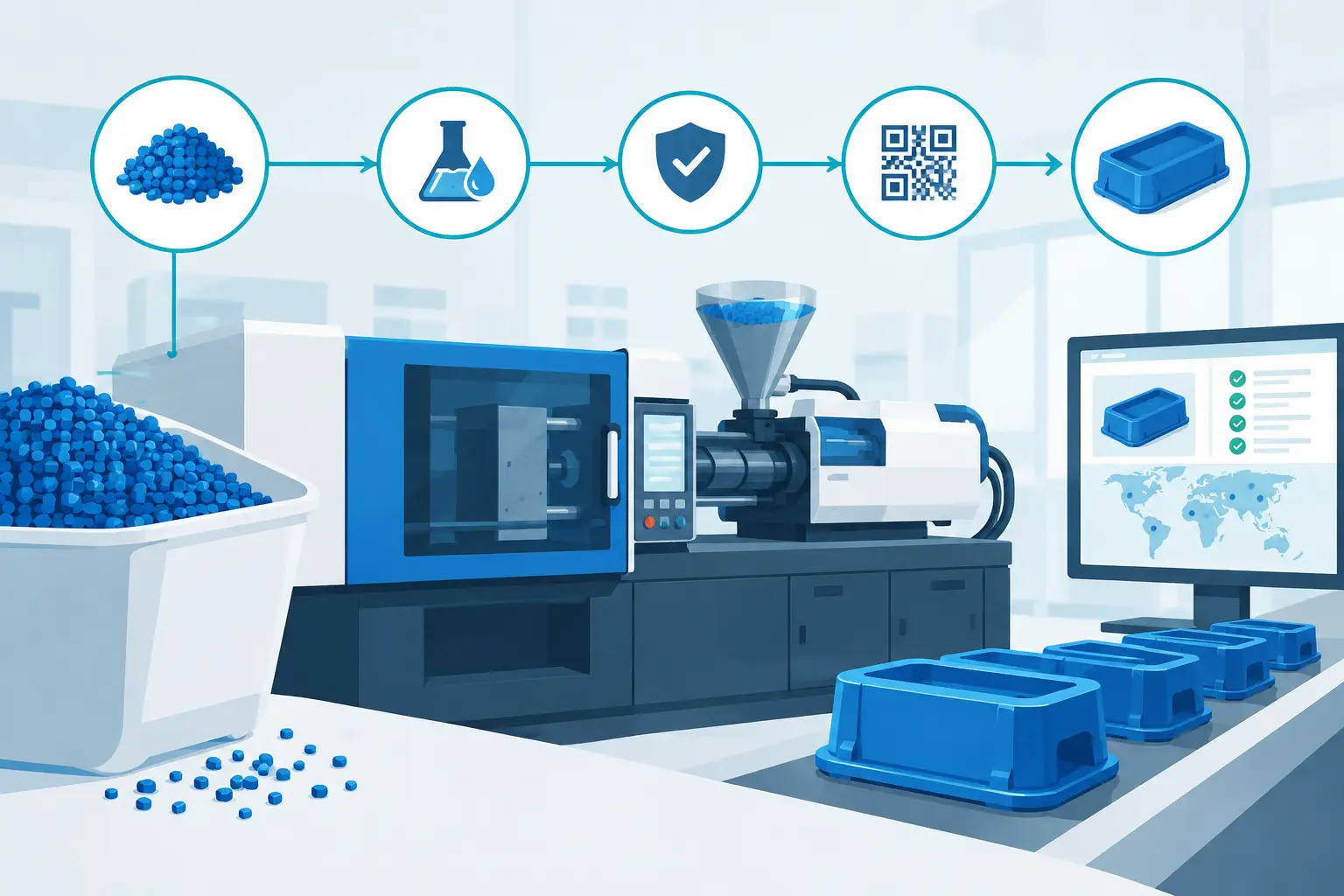
A useful injection moulding material selection guide should leave room for real-world trade-offs. In practice, the fastest route is to reduce the field to two or three viable candidates based on application demands, then compare them against geometry, tooling impact, and production cost. That shortlist can be validated through prototype trials, mould flow review, and targeted testing.
This process works best when material selection is handled before design details become too rigid. Changing resin after tool build is possible, but it is rarely cheap and often affects shrink, warpage, gating, appearance, and cycle time all at once.
The most reliable programs treat resin selection as a core manufacturing decision, not a line item on a bill of materials. When the material fits the application, the mould, and the production target, everything downstream gets easier – quality control, repeatability, delivery, and long-term cost. If you are evaluating a new plastic part, the best next step is not to ask which resin is most popular. It is to ask which resin will still be the right one after the first million shots.
If you are evaluating a new project or facing ongoing tooling and production challenges, contact us to discuss your requirements, request a technical consultation, or submit your RFQ.